

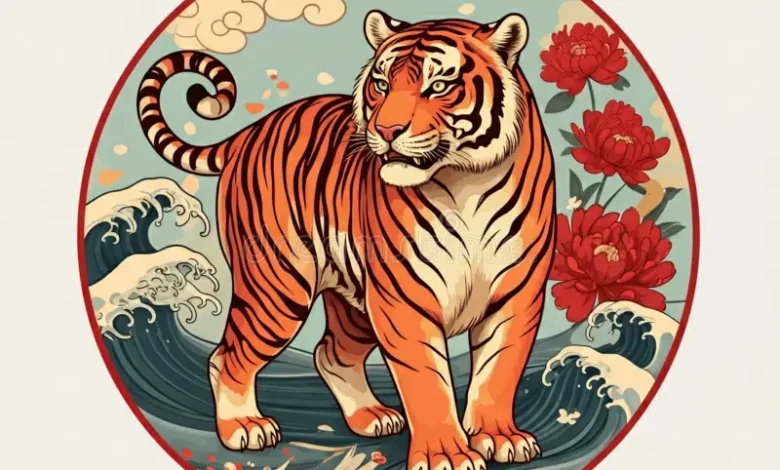
The Cultural Foundation of Tokyo-Tiger: Where Tradition Begins
Tokyo-Tiger’s design philosophy is deeply rooted in the cultural foundation of Japan, where tradition plays a central role in shaping modern creativity. The brand draws inspiration from centuries-old customs, art forms, and philosophies that continue to influence Japanese society today. This strong cultural base is what gives Tokyo-Tiger its distinctive identity in the world of streetwear.
Japanese culture values symbolism, storytelling, and attention to detail, all of which are reflected in Tokyo-Tiger’s clothing. Every design begins with a cultural reference—whether it is a historical motif, a traditional pattern, or a symbolic representation of nature. These elements are then reimagined into modern fashion pieces that appeal to global audiences.
Items such as japanese shirts often showcase this blend of tradition and modernity, featuring designs inspired by calligraphy, nature, and folklore. These shirts are not just clothing but cultural expressions that carry meaning and heritage.
Even more contemporary pieces like the mesh jersey reflect this foundation by combining functional streetwear with artistic inspiration. The result is clothing that connects the past with the present, allowing wearers to experience Japanese culture through fashion. Tokyo-Tiger’s foundation proves that tradition is not static—it evolves and continues to inspire modern creativity.
Japanese Heritage in Modern Streetwear Expression
Japanese heritage plays a powerful role in shaping modern streetwear, and Tokyo-Tiger is a perfect example of how tradition can be reinterpreted for contemporary fashion. The brand takes cultural elements from Japan’s rich history and transforms them into bold, wearable designs that resonate with today’s generation.
This heritage can be seen in the use of motifs inspired by samurai culture, traditional textiles, and natural symbolism. These elements are often featured on japanese shirts, which combine cultural storytelling with modern silhouettes. Each piece reflects a balance between respect for tradition and the desire for innovation.
The mesh jersey is another example of how heritage influences modern design. While originally inspired by athletic wear, Tokyo-Tiger reimagines it by incorporating Japanese cultural patterns and visual storytelling. This fusion creates a garment that feels both functional and meaningful.
By integrating heritage into streetwear, Tokyo-Tiger ensures that cultural identity remains alive in modern fashion. It allows individuals to wear pieces that are not only stylish but also deeply connected to Japanese history. This approach strengthens the emotional value of clothing and elevates streetwear into a form of cultural expression.
From Ancient Symbols to Contemporary Fashion Graphics
Tokyo-Tiger’s designs are a bridge between ancient Japanese symbols and modern fashion graphics. The brand takes inspiration from centuries-old imagery and transforms it into bold, contemporary visuals that define its streetwear identity. This transformation allows cultural symbols to remain relevant in today’s fashion world.
Traditional motifs such as dragons, koi fish, waves, and cherry blossoms are frequently used in japanese shirts. Each symbol carries deep meaning—dragons represent strength, koi fish symbolize perseverance, and cherry blossoms reflect the beauty of impermanence. Tokyo-Tiger reinterprets these symbols with modern artistic techniques, making them visually striking and culturally significant.
The mesh jersey also plays an important role in this evolution of design. It provides a dynamic surface for large-scale graphics that blend ancient symbolism with urban aesthetics. This combination creates a powerful visual impact that resonates with streetwear enthusiasts.
By merging ancient symbols with contemporary fashion graphics, Tokyo-Tiger preserves cultural meaning while appealing to modern tastes. This approach ensures that traditional Japanese imagery continues to evolve rather than fade, keeping it alive in global fashion culture.
The Influence of Japanese Art, Folklore, and History on Design
Japanese art, folklore, and history serve as major sources of inspiration for Tokyo-Tiger’s creative direction. The brand draws from a wide range of cultural narratives, including mythological stories, historical events, and traditional artistic techniques. These influences shape the visual identity of its collections and give each piece a deeper cultural context.
Japanese shirts often feature designs inspired by folklore creatures such as oni (demons), dragons, and spirits, which are deeply rooted in traditional storytelling. These elements add a sense of mystery and meaning to the clothing, making it more than just fashion.
Historical influences are also evident in the structured and symbolic nature of Tokyo-Tiger’s designs. The mesh jersey, for example, reflects a modern interpretation of historical aesthetics by combining athletic wear with cultural patterns and storytelling elements.
By integrating art, folklore, and history, Tokyo-Tiger creates clothing that serves as a cultural archive. Each design acts as a visual representation of Japan’s rich heritage, allowing wearers to connect with stories and traditions through fashion. This layered approach adds depth and authenticity to the brand’s identity.
Tokyo-Tiger’s Interpretation of Cultural Identity Through Clothing
Tokyo-Tiger interprets cultural identity as something dynamic, evolving, and deeply personal. Rather than treating culture as static, the brand uses fashion to express how Japanese identity continues to grow and adapt in a modern world. This interpretation is reflected in every piece of clothing it produces.
Japanese shirts from Tokyo-Tiger often feature a mix of traditional symbols and modern design elements, representing the fusion of old and new identities. These garments allow individuals to express pride in cultural heritage while embracing contemporary style.
The mesh jersey further expands this idea by blending sportswear aesthetics with cultural storytelling. It represents movement, energy, and adaptability—qualities that reflect modern Japanese identity.
Tokyo-Tiger’s approach to cultural identity is inclusive and expressive. It encourages wearers to see fashion as a reflection of who they are and where they come from. By doing so, the brand transforms clothing into a medium of personal and cultural expression, making each piece meaningful beyond its visual appeal.
How Japanese Roots Shape Global Appeal in Street Fashion
Japanese cultural roots have a strong influence on global street fashion, and Tokyo-Tiger plays a key role in bringing this influence to an international audience. The brand demonstrates how deeply rooted traditions can resonate with people across different cultures and regions.
The popularity of japanese shirts worldwide shows how cultural storytelling in fashion can transcend borders. These garments combine visual art, symbolism, and modern design, making them appealing to a diverse audience.
Similarly, the mesh jersey has gained global attention for its unique blend of functionality and cultural aesthetics. It reflects how Japanese-inspired streetwear can fit seamlessly into international fashion trends while maintaining its cultural essence.
Tokyo-Tiger’s global appeal lies in its ability to balance authenticity with innovation. By staying true to Japanese roots while embracing modern design trends, the brand creates clothing that feels both original and universally relatable.
This connection between cultural heritage and global fashion demonstrates how Japanese streetwear continues to shape the future of style. Tokyo-Tiger serves as a bridge, bringing Japanese creativity to the world stage while inspiring new generations of fashion enthusiasts.