
Printed fabric frames offer lightweight, durable, and reusable displays that deliver vibrant, high-quality graphics, making them ideal for exhibitions, retail spaces, and office branding.
Limited marketing budget for recurring campaigns can feel like a constant roadblock. You want fresh visuals to keep your brand relevant, but the costs of producing and replacing traditional signage quickly add up. The frustration grows when you’re forced to reuse outdated displays because creating new ones isn’t financially practical. This is where printed fabric frames step in as a game-changer.
Now, how could your next campaign benefit from a display solution that’s both cost-efficient and effortlessly updatable?
1. Crisp, Vibrant Graphics That Stand Out
One of the main advantages of printed fabric frames is the quality of the graphics they deliver. Unlike paper or vinyl, fabric absorbs ink differently, allowing for deep, rich colours and sharp details. The material reduces glare, so your graphics are clearly visible under harsh lighting, such as spotlights or direct sunlight, without creating distracting reflections.
Whether it’s a retail promotion, a company logo, or a detailed photographic print, the high-resolution finish helps your message stand out and attract attention. Many businesses even pair them with other display elements like 3D print acrylic signage to create a layered, premium look that enhances brand presence.
2. Lightweight and Easy to Transport
Printed fabric frames are designed with convenience in mind. The aluminium frame is lightweight yet durable, making it easy to carry and set up without the need for heavy equipment or multiple people. This makes them ideal for businesses attending events or exhibitions where displays need to be assembled quickly and transported between locations. They also work well alongside other display elements such as 3D wall letters, creating a professional, layered presentation that draws attention without adding unnecessary weight or complexity.
For companies that regularly change displays or attend pop-up events, this portability is a major advantage over heavier, bulkier signage. You can refresh your graphics, reposition your frames, and combine them with other branding elements to keep your display engaging and adaptable to different venues.
3. Tool-Free Installation and Quick Setup
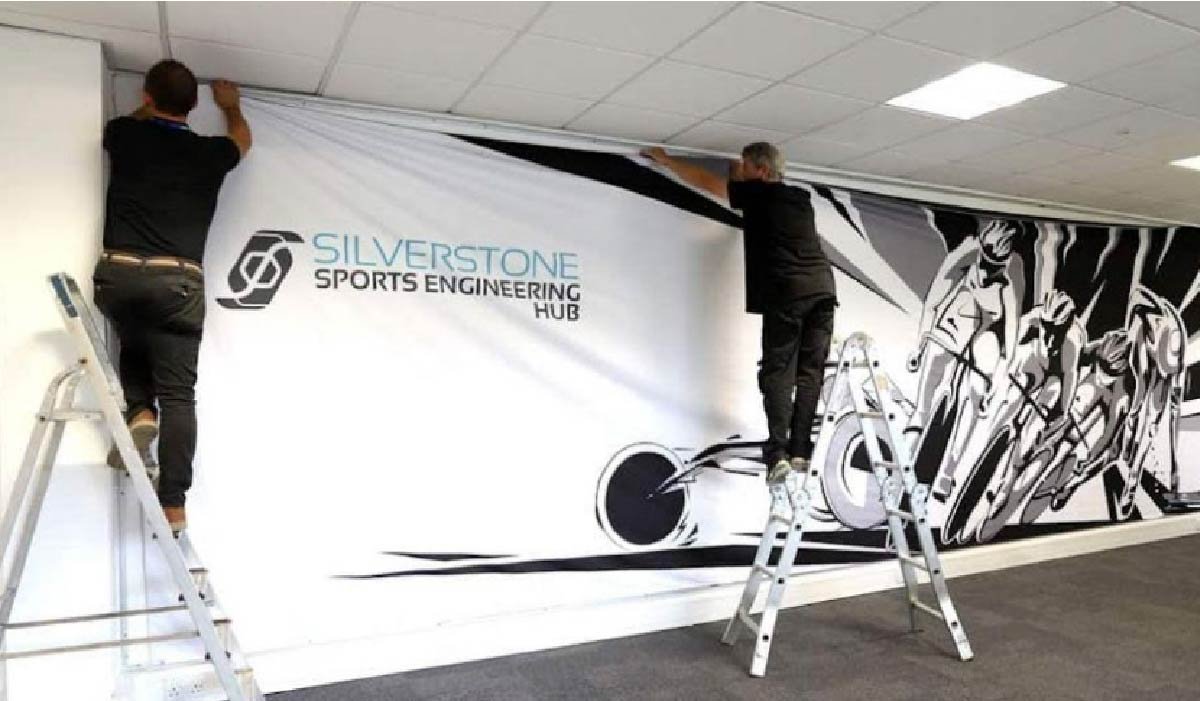
Most printed fabric frames feature a simple push-fit or tension system. The fabric graphic is stretched across the frame and secured, creating a smooth, professional finish without visible joins or creases. This tool-free assembly not only saves time but also reduces the risk of damaging the print during installation. For retail environments where displays may be updated seasonally, the quick setup process is a huge time-saver for staff.
When paired with other branding elements such as an acrylic logo sign, fabric frames can be swapped out quickly to match seasonal campaigns, promotional events, or new product launches. This flexibility allows businesses to keep their visual displays fresh without the high costs or downtime of more permanent signage.
4. Customisable to Fit Any Space
Another benefit of printed fabric frames is their flexibility in size and shape. They can be produced in a variety of dimensions, from small tabletop displays to large wall-mounted panels or free-standing backdrops. This makes them suitable for a wide range of applications, including reception areas, product launch events, conference stages, and even interior décor.
Custom printing allows you to align the graphics exactly with your brand colours, fonts, and visual identity, creating a consistent look across all your marketing materials.
5. Durable and Long-Lasting
Printed fabric frames are made with high-quality materials that can withstand frequent use. The frames, typically made from aluminium, are resistant to bending and corrosion, while the fabric graphics are washable and fade-resistant.
This durability means your investment lasts longer, making them a cost-effective choice for businesses that need reliable displays over multiple events or for long-term use in a fixed location.
6. Eco-Friendly and Reusable

Many printed fabric frames are designed to be reusable, with the ability to swap out the fabric graphic without replacing the frame. This reduces waste compared to single-use displays and allows you to refresh your visuals for different campaigns without the expense of a completely new system.
Additionally, many suppliers use recyclable materials and eco-friendly inks, making printed fabric frames a more sustainable choice for environmentally conscious brands.
7. Professional, Seamless Appearance
Because the fabric is stretched tightly over the frame, the result is a smooth, seamless display that looks polished and high-end. Unlike poster boards or banner stands, there are no curling edges or wrinkled surfaces to detract from your message.
This sleek appearance makes printed fabric frames particularly appealing in settings where presentation quality matters, such as corporate events, retail shop windows, or hospitality spaces.
8. Versatility Across Industries
Printed fabric frames are not limited to one type of business. Retailers use them for point-of-sale promotions, hotels use them to create branded welcome areas, and trade show exhibitors use them to design impactful stands.
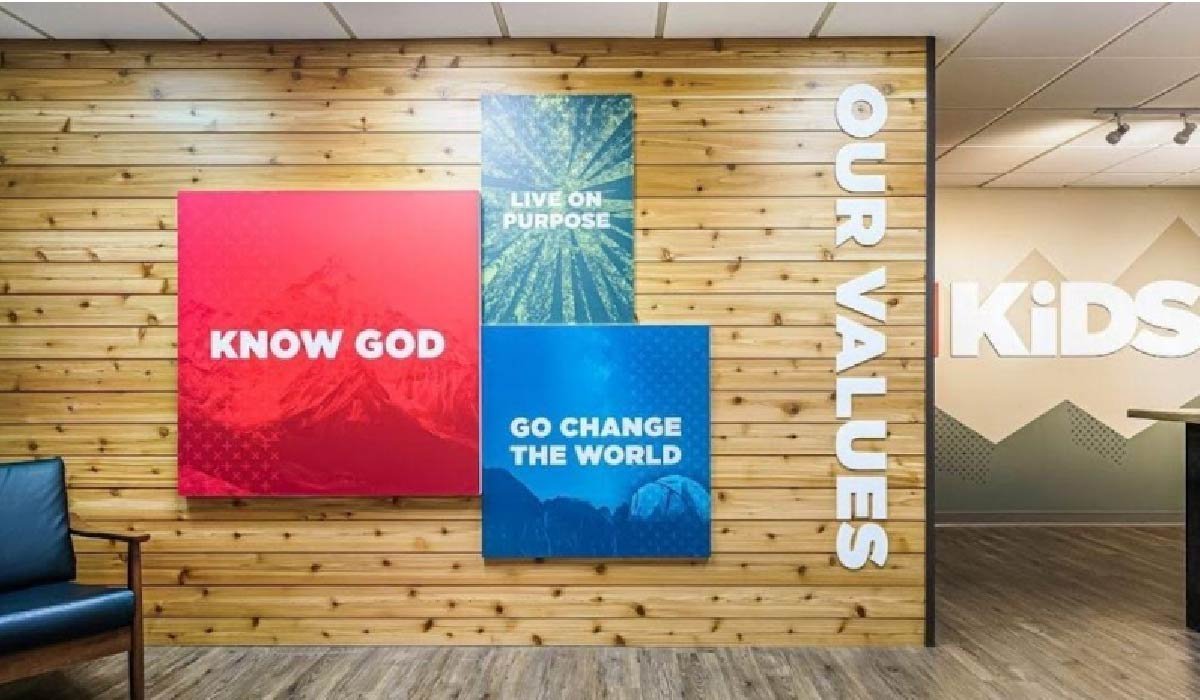
They’re also popular in office environments for wall branding, directional signage, or inspirational quote displays. Their adaptability means one system can be used in multiple ways, offering even more value for the initial investment.
Maximise Impact, Minimise Costs
Marketing budgets can only stretch so far, and keeping visuals fresh without overspending can feel like a constant battle. Stale displays risk making your brand look outdated, but constantly investing in new signage can quickly drain resources.
Printed fabric frames offer a cost-effective way to keep your displays looking sharp all year round. With the flexibility to update graphics easily, they help you stay relevant, catch attention, and adapt to seasonal campaigns without breaking the bank.