The Essential Guide to Modern Waste Management: Systems, Strategies, and Sustainability

In today’s fast-paced and consumption-driven world, the question of what happens to our waste has become more important than ever. From household trash to industrial byproducts, the amount of waste generated globally has reached staggering levels. As a result, efficient and responsible methods of handling waste are no longer optional—they’re essential.
Enter the world of modern waste management. Whether you’re an individual trying to be more environmentally conscious, a business aiming for sustainability, or a government working to meet environmental standards, understanding the full scope of how waste is handled can lead to better decisions and a cleaner planet.
In this article, we’ll explore the fundamentals of waste management, the systems involved, key environmental considerations, and how a professional waste management service plays a crucial role in making our world cleaner and more sustainable.
What Is Waste Management?
Waste management refers to the collection, transportation, treatment, and disposal of waste materials in a way that minimizes environmental impact, supports public health, and maximizes resource efficiency. It encompasses everything from simple garbage collection to complex recycling, composting, hazardous waste treatment, and zero-waste initiatives.
The goals of waste management include:
- Reducing waste generation at the source
- Promoting reuse and recycling
- Safely disposing of non-recyclable waste
- Protecting ecosystems and human health
- Complying with legal and regulatory standards
Types of Waste
Understanding the different types of waste is critical for selecting the appropriate management strategies. Waste can be broadly categorized into the following:
1. Municipal Solid Waste (MSW)
Commonly referred to as household waste, this includes everyday items like food scraps, packaging, paper, and plastics.
2. Industrial Waste
Generated by manufacturing and industrial processes, this can include scrap metals, chemicals, and sludges.
3. Hazardous Waste
Includes materials that are flammable, toxic, corrosive, or reactive. Examples include batteries, medical waste, and certain chemicals.
4. Construction and Demolition Debris
Debris from buildings, roads, and bridges—wood, concrete, bricks, and more.
5. Electronic Waste (E-Waste)
Discarded electronics like computers, televisions, and smartphones, which often contain hazardous components.
6. Organic Waste
Food scraps, yard waste, and other biodegradable materials that can be composted.
Key Components of an Effective Waste Management System
An effective waste management system doesn’t rely on a single method. Instead, it integrates multiple approaches to manage different types of waste in an environmentally sound way.
1. Waste Collection
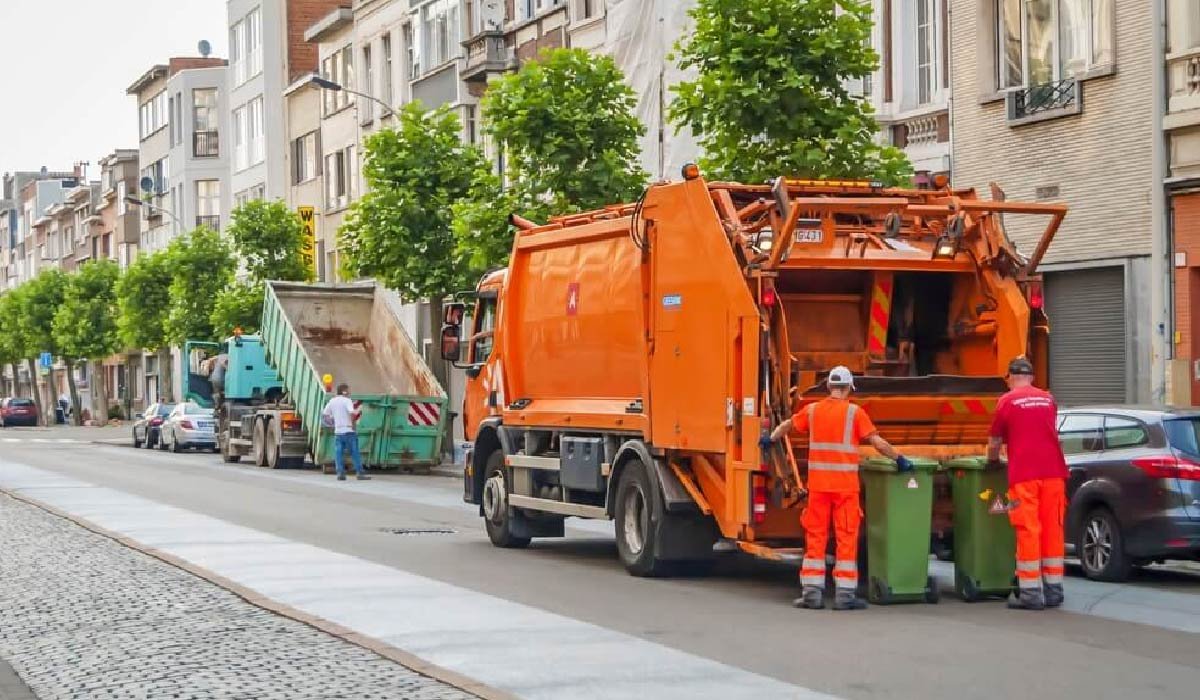
This involves the routine collection of waste from homes, businesses, and other facilities. It must be timely, efficient, and inclusive of all waste types.
2. Transportation
Once collected, waste must be transported to the appropriate processing or disposal facility. Vehicles are designed to handle specific types of waste, including hazardous or bulky materials.
3. Sorting and Separation
At recycling facilities or transfer stations, waste is sorted into categories: recyclables, organics, hazardous materials, and general waste.
4. Treatment
Waste may undergo mechanical, biological, or chemical treatments:
- Mechanical: Shredding, compacting, or incinerating
- Biological: Composting or anaerobic digestion of organic matter
- Chemical: Neutralizing hazardous chemicals or detoxifying waste
5. Disposal
Landfilling and incineration are the most common methods of disposal. Modern landfills are designed with liners and gas collection systems to minimize environmental harm.
Waste Hierarchy: The 5 R’s
An effective waste management strategy follows the waste hierarchy, which prioritizes waste handling methods from most to least environmentally friendly:
- Refuse – Avoid single-use or unnecessary items
- Reduce – Minimize the amount of waste generated
- Reuse – Extend the life of products by using them again
- Recycle – Convert waste into new materials or products
- Rot – Compost organic waste instead of throwing it away
Disposal (landfilling and incineration) is considered a last resort after all other options have been exhausted.
The Role of Technology in Modern Waste Management
Technology has become a game-changer in the waste management industry. Innovations are helping streamline operations, improve efficiency, and reduce environmental impact:
- Smart Bins: Equipped with sensors to monitor fill levels and optimize collection schedules
- AI-Based Sorting: Automated systems that use artificial intelligence to separate recyclables
- Waste-to-Energy Plants: Convert non-recyclable waste into usable energy
- Mobile Apps: Allow consumers to track waste pickup schedules and recycling guidelines
These tools enhance the effectiveness of a waste management service and empower both providers and users to make smarter choices.
Environmental and Social Benefits
1. Reduces Pollution
Proper waste handling minimizes air, water, and soil contamination. Recycling and composting reduce the need for landfills and incineration.
2. Conserves Natural Resources
Recycling helps conserve finite materials like metals, paper, and oil. Composting enriches soil without synthetic fertilizers.
3. Supports Public Health
Effective waste management reduces the spread of disease, especially in urban or densely populated areas.
4. Promotes Economic Growth
The waste industry generates jobs in collection, sorting, recycling, and technology. Recycled materials also support the manufacturing sector.
Common Challenges in Waste Management
Despite advances, several challenges remain in the pursuit of effective waste handling:
- Improper Disposal: Illegal dumping and contaminated recycling streams
- Lack of Infrastructure: Some areas lack access to modern waste processing facilities
- Public Awareness: People may not know what is recyclable or compostable
- Rising Waste Volumes: Urbanization and consumerism are increasing per capita waste generation
- Hazardous Waste Risks: Mishandling of dangerous materials can harm people and ecosystems
Overcoming these challenges requires both infrastructure investment and public education.
How to Choose a Reliable Waste Management Service
Whether you’re a business or a homeowner, partnering with a reliable waste management service in Portmore ensures that your waste is handled responsibly and in compliance with environmental regulations. Here’s what to look for:
1. Licensing and Compliance
Ensure the provider adheres to local, national, and international environmental laws and waste handling protocols.
2. Service Offerings
Does the company provide recycling, composting, hazardous waste handling, or bulk pickup? Choose a provider that aligns with your needs.
3. Sustainability Practices
Look for companies that emphasize recycling, waste diversion, and carbon footprint reduction.
4. Transparent Pricing
Understand what services are included, how pricing is calculated, and whether there are additional fees.
5. Customer Support
Responsive and reliable communication is essential, especially for businesses that generate large volumes of waste.
How Individuals Can Contribute to Better Waste Management
While government policies and waste services are crucial, individual action also plays a significant role:
- Educate yourself on what can and can’t be recycled
- Compost food scraps and yard waste
- Opt for reusable items instead of single-use plastics
- Buy in bulk to reduce packaging waste
- Support brands with sustainable packaging and responsible practices
These habits help reduce the strain on formal systems and contribute to a cleaner environment for all.
Final Thoughts
As our world continues to urbanize and industrialize, the volume and complexity of waste will only increase. Addressing this challenge requires a multifaceted approach—one that combines policy, technology, public engagement, and professional services.
A modern waste management service is not just about taking out the trash. It’s about supporting a sustainable ecosystem where resources are preserved, pollution is minimized, and communities thrive. Whether you’re an individual looking to live more sustainably or a business seeking to meet environmental standards, understanding and participating in smart waste management is a step in the right direction.