
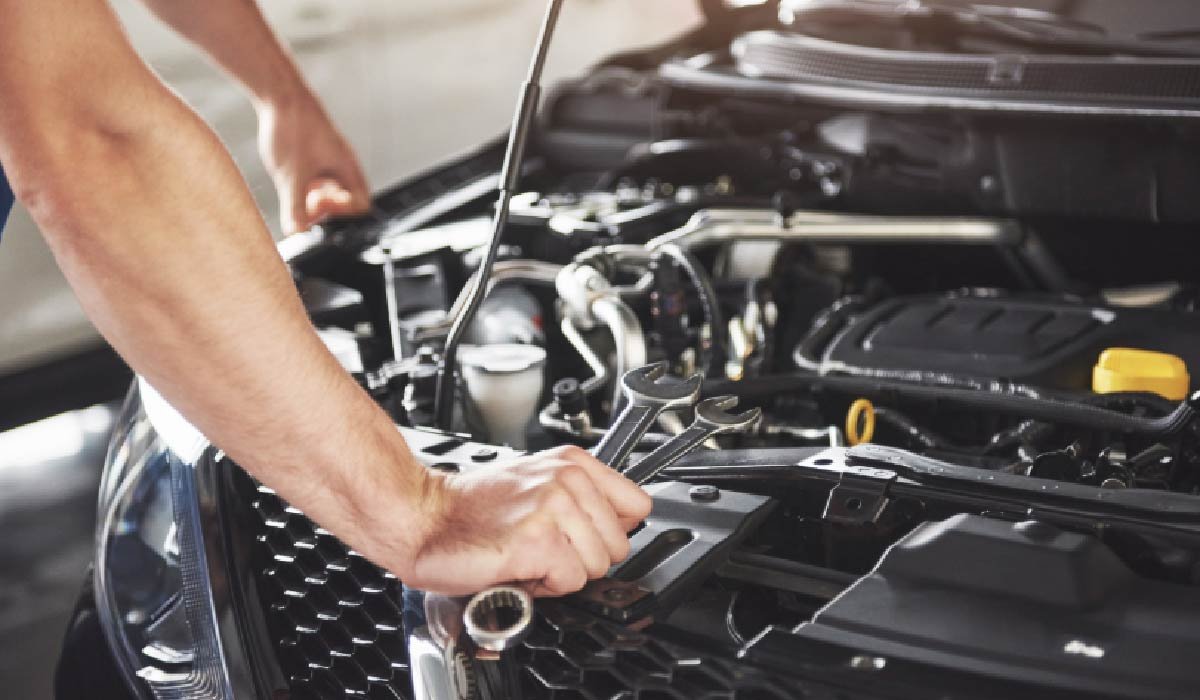
Cars are like silent communicators. They rarely shout when something’s wrong, but they drop hints, little signals that, if ignored, can turn into big, costly headaches. Think of it like your body: a small fever today could mean a serious infection if you don’t check it out.
The reality is that vehicles are complex machines with many moving parts, and ignoring warning signs can compromise not just your car’s performance but also your safety. This guide breaks down the top signs that your car needs immediate attention from a mechanic. By the end, you’ll know exactly what to look out for before a small issue snowballs into a major repair bill.
1. Dashboard Warning Lights Stay On
Modern vehicles are equipped with sensors that detect problems early. If a warning light shows up on your dashboard and stays lit, don’t brush it aside. Some key ones include:
- Check Engine Light: Could mean anything from a loose gas cap to a failing catalytic converter.
- Oil Pressure Light: Indicates your engine isn’t being properly lubricated, continuing to drive could cause severe engine damage.
- Brake Warning Light: Signals a possible brake system issue, ignoring it is unsafe.
- Battery Alert: Tied to charging or electrical system problems.
If any light flashes or turns red, treat it as urgent. Yellow or orange usually means caution but still requires checking soon.
2. Strange Noises
Cars aren’t meant to sound like percussion instruments. Odd noises are one of the clearest indicators that something’s wrong. Some common ones:
- Squealing or Grinding Brakes: Often mean worn brake pads or rotors.
- Knocking Under the Hood: Can signal engine problems like worn bearings.
- Hissing: Suggests a fluid leak or overheating.
- Loud Exhaust: Could be a hole in your muffler or exhaust system.
Ignoring these noises is risky. For example, a grinding sound when braking often means your brake pads are gone, and you’re damaging the rotors, doubling the repair cost.
3. Unusual Smells
Your nose can save you from major trouble. Different odors often point to specific issues:
- Burning Smell: Could be overheating brakes or clutch.
- Sweet Syrupy Odor: Usually leaking coolant.
- Gasoline Smell: Dangerous fuel leak, requires immediate attention.
- Rotten Eggs: A failing catalytic converter.
When your car smells odd, don’t just roll down the windows. A mechanic can trace the source before it leads to breakdown or fire hazards.
4. Smoke or Steam
Seeing smoke or steam from your car is never a good sign:
- White Steam from the Hood: Often overheating, could damage your engine.
- Blue Smoke from Exhaust: Indicates oil burning inside the engine.
- Black Smoke: Fuel system issues, often tied to clogged air filters or fuel injectors.
If your temperature gauge climbs into the red and steam is coming from under the hood, pull over safely and call for help instead of continuing to drive.
5. Difficulty Starting the Car
If your car struggles to start, don’t wait until it leaves you stranded. Common culprits include:
- Weak or dead battery.
- Failing alternator.
- Worn starter motor.
- Fuel delivery problems.
Sometimes, you’ll hear clicking when turning the key, or the engine cranks slower than normal. Both are early signs you should get it checked.
6. Leaking Fluids
A healthy car shouldn’t leave puddles. Fluids are its lifeblood, and leaks can signal serious trouble:
- Red Fluid: Transmission fluid.
- Green/Orange Fluid: Coolant.
- Dark Brown/Black Fluid: Engine oil.
- Clear Fluid: Could be water condensation (often harmless).
Checking for stains under your parked car can help you spot leaks early. Mechanics can also perform a pressure test to confirm the source.
7. Vibrations or Shaking
While some vibrations come from rough roads, persistent shaking often points to:
- Warped Brake Rotors: Car shakes when braking.
- Tire Issues: Misalignment, imbalance, or uneven wear.
- Engine Misfires: Can cause noticeable jerking.
Driving with these problems can wear down other parts, making a cheap fix turn into a pricey one.
8. Loss of Power or Poor Performance
If your car suddenly feels sluggish, it’s a sign something’s off. Causes include:
- Clogged air or fuel filters.
- Transmission issues.
- Failing spark plugs.
- Problems with the exhaust system.
Pay attention to warning signs like reduced acceleration, poor fuel economy, or difficulty maintaining speed.
9. Problems with Braking
Your brakes are your car’s most important safety system.
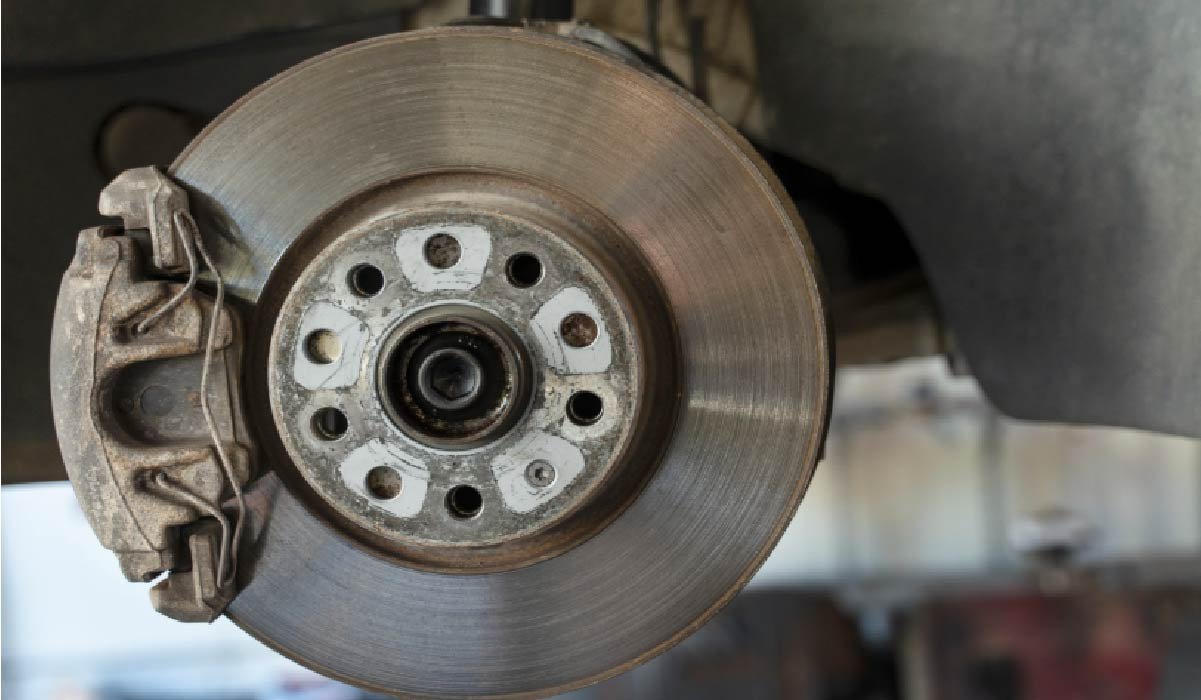
If you notice:
- Longer stopping distances.
- The brake pedal feels spongy or hard.
- The car pulls to one side when braking.
- Grinding or squealing sounds.
All of these require immediate attention of a mechanic. Ignoring brake issues puts your life and others on the road at risk.
10. Transmission Issues
The transmission is essentially your car’s “gearbox,” and repairs are notoriously expensive. Warning signs include:
- Gear slipping.
- Grinding noises when shifting.
- Delayed engagement when shifting into drive or reverse.
- Fluid leaks (usually red or pink).
Catching transmission problems early often saves thousands.
11. Overheating
An overheating car isn’t just inconvenient, it’s dangerous. Watch for signs like:
- Rising temperature gauge.
- Steam from the hood.
- Coolant leaks.
Driving while overheating can warp your engine’s cylinder head and lead to a complete engine replacement.
12. Electrical Failures
Modern cars rely heavily on electrical systems. If you notice:
- Flickering headlights.
- Power windows or locks acting up.
- The infotainment system glitches.
- Dead battery even after replacement.
It’s time to get your car checked. Electrical problems can spread quickly and affect multiple systems.
13. Steering or Suspension Issues
Trouble steering is a huge safety hazard. Signs include:
- Car drifts or pulls while driving straight.
- Steering feels heavy or unresponsive.
- Clunking noises when going over bumps.
Suspension issues also make your ride rougher and harder to control.
14. Excessive Exhaust Smoke
Your exhaust can reveal a lot about your engine’s health:
- Blue Smoke: Oil burning.
- White Smoke: Coolant leak into the engine.
- Black Smoke: Too much fuel burning.
If smoke persists, get professional help quickly, it could be a sign of failing head gaskets or cracked engine blocks.
15. High Mileage with Neglected Maintenance
Even without obvious symptoms, skipping routine maintenance is risky. High-mileage cars (100,000+ miles) often need extra care. If you’ve missed:
- Oil changes.
- Brake inspections.
- Tire rotations.
- Fluid replacements.
It’s wise to have a mechanic do a full checkup.
Why Quick Action is Important?
Ignoring small issues can turn a $100 fix into a $2,000 repair. More importantly, many car problems affect safety directly. For example:
- Faulty brakes = risk of accidents.
- Overheating engine = sudden breakdowns.
- Fuel leaks = fire hazard.
Being proactive not only saves money but also keeps you and others safe on the road.
How to Stay Ahead of Car Problems
- Regular Maintenance: Follow your owner’s manual for service schedules.
- Listen and Observe: Unusual noises, smells, or behavior are red flags.
- Don’t Ignore Warning Lights: They exist for a reason.
- Build a Relationship with a Trusted Mechanic: Having a reliable service provider on call can save you time and stress. For example, TJ Services Fleet specializes in keeping vehicles road-ready, handling everything from routine checkups to emergency repairs for both personal cars and business fleets.our technicians provide expert mechanical repair in Fleet to ensure your vehicle is safe and reliable.
Conclusion
Your car is constantly communicating with you, through sounds, lights, smells, and performance. With the advanced technology used in today’s cars, a vehicle software platform will cue you into a performance issue long before it becomes a problem. Ignoring those signs can compromise safety, cause expensive repairs, and leave you stranded at the worst possible time. By paying attention to the symptoms we covered, like warning lights, leaks, vibrations, or braking problems, you can catch issues early and keep your vehicle in top shape.
If something feels, sounds, or smells unusual, don’t wait. Take your car to a mechanic immediately or simply get directions to TJ Services Fleet and let our team check it for you.