

Introduction
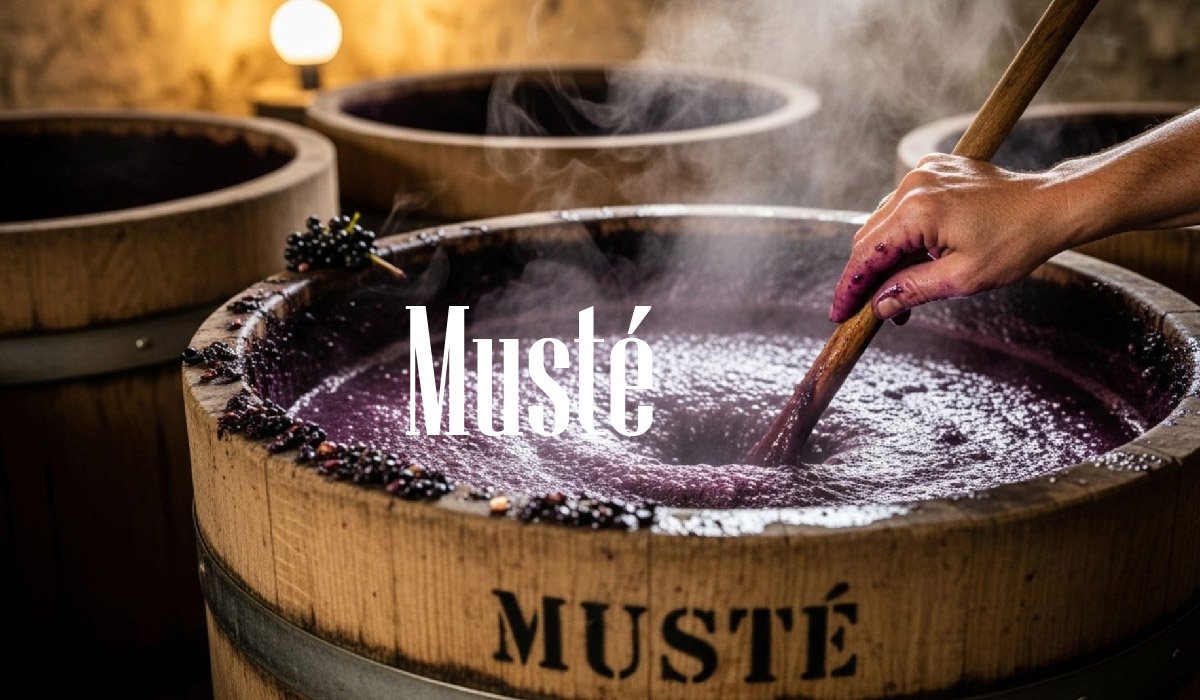
Musté is a word and concept that carries layers of history, culture, and evolving meaning. For some, it refers to the rich fermented juice of grapes that serves as the foundation for wine and countless culinary traditions. For others, it represents a lifestyle choice, a cultural expression, or even a metaphor for authenticity and refinement in design and aesthetics. Despite its different uses, the thread that ties these perspectives together is the idea of transformation—musté is about how something simple or raw can evolve into something meaningful, elegant, and powerful.
In today’s fast-moving world, where people crave authenticity and connection, musté resonates more strongly than ever. This article will explore what musté means, where it comes from, how it has changed through history, and why it continues to matter today in food, culture, design, and beyond. By the end, you will have a complete understanding of musté’s origins, uses, benefits, criticisms, and future potential.
Etymology & Origins
The word musté finds its linguistic roots in southern Europe, particularly in languages tied to the Romance family. In Occitan, a regional language once widely spoken across Provence, Languedoc, and northern Italy, similar words referred to “fresh” or “raw” grape juice in the earliest stages of fermentation. In French culture, “moût” carries the same sense, meaning the juice of grapes before or during fermentation, and scholars believe “musté” evolved as a variant tied to rustic authenticity.
The earliest use of musté can be traced to agrarian communities that depended on grape harvests not only for food and drink but also for symbolic meaning in festivals of abundance. Villagers would gather vats of fermenting grape juice, celebrating its transformation into wine, which was both an economic lifeline and a cultural treasure. Over centuries, the word moved beyond its agricultural roots and began to embody qualities of authenticity, richness, and unrefined natural beauty, making it more than just a description of liquid—it became a descriptor of life itself.
Historical Evolution
In its earliest form, musté was purely functional: the freshly pressed juice of grapes set aside for fermentation, consumed raw for nourishment or processed further into wine, vinegar, or other preserved goods. Over time, however, as viticulture advanced and winemaking became a refined art, musté acquired symbolic weight. In medieval Europe, it was seen as a representation of fertility, transformation, and the bounty of nature.
Transitioning from rural life into urban sophistication, the meaning expanded. By the Renaissance, mu sté became shorthand for refinement and craftsmanship, not just raw necessity. As technology shaped agriculture and global trade introduced new products, the concept evolved further: m usté was no longer simply a farm staple but a symbol of regional identity and artisanal pride.
In modern times, as marketing and cultural narratives expanded their reach, musté now appears in contexts as varied as luxury branding, wellness culture, and artisanal design. The revival of interest in authenticity and sustainability has reinterpreted musté as both a literal ingredient and a metaphor for living closer to the earth.
Defining Musté in Different Contexts
The challenge of defining musté lies in its multiplicity of meanings. This culinary context, m usté is the thick, slightly tangy, fermented juice of grapes or other fruits, celebrated for its role in making wine but also enjoyed on its own for its nutritional benefits. This cultural studies mu sté refer to authenticity, rustic values, and an unpolished yet genuine essence tied to southern French traditions. In lifestyle and design, the word has been adopted to describe products that combine elegance with raw natural charm, such as m usté-inspired textiles or artisanal candles.
In wellness, musté is sometimes promoted for its probiotic and antioxidant qualities, aligning with broader interest in fermentation and gut health. Importantly, mu sté is distinct from mere grape juice or simple rusticity—it implies transformation, depth, and a connection to heritage that transcends mere functionality.
Types or Variants of Musté
Musté comes in several notable variants. The most traditional is grape musté, the partially fermented juice of grapes used in winemaking. This variant is prized for its versatility, forming the base of wines, balsamic vinegar, and even syrups. Another variant is musté made from other fruits, such as apples or berries, popular in different regions and often consumed as tangy beverages or bases for sauces.
Beyond edible forms, the term has inspired musté-infused fabrics—natural fibers treated with plant-based dyes or essences that embody rustic authenticity in fashion. Mu sté candles represent another type, combining natural oils with artisanal craftsmanship to create fragrant atmospheres. Each type carries the same essence of transformation: raw ingredients evolving into something meaningful, whether in taste, texture, scent, or design.
The Role of Musté in Culture & Society
Culturally, musté represents far more than an ingredient or product; it embodies values of authenticity, humility, and tradition. food culture, it signifies meals prepared with love, shared among family, using seasonal and local ingredients. In regional festivals, particularly in southern France and Mediterranean countries, mu sté carries symbolic meaning, marking harvest celebrations where the community comes together.
In literature and art, references to musté highlight rustic authenticity or the passage from rawness to refinement, mirroring human growth. Linguistically, mu sté serves as an emblem of identity, reminding speakers of their roots in Occitan traditions and resisting cultural homogenization. Its symbolism extends to modern society as well: in an age dominated by mass production and digital culture, musté represents the human desire for things that are grounded, real, and authentic.
Applications & Uses of Musté
Culinary / Food & Beverage
In the culinary world, musté has long been valued as a versatile ingredient. Produced by crushing fresh grapes and allowing natural yeasts to initiate fermentation, mus té retains a rich sweetness balanced by tanginess. It is used to create wines, vinegars, and syrups, but also appears in sauces for meats, dressings, marinades, and desserts. Mediterranean cuisines incorporate musté into traditional recipes, such as musté biscuits in Italy or tangy reductions used in French and Spanish kitchens. Its flavor profile—sweet, tart, and earthy—pairs beautifully with roasted meats, aged cheeses, and fresh fruits, making it a prized addition to gourmet cooking.
Lifestyle, Design & Aesthetics
Musté is also interpreted in design as a symbol of rustic elegance. Musté-inspired textiles, using earthy tones and natural fibers, embody a sense of grounded authenticity. In home décor, musté candles and artisanal products bring warmth and a handcrafted touch to modern interiors. Designers use musté as a concept to merge functionality with sophistication, creating objects that feel raw yet refined.
Health, Wellness & Beauty
As a fermented product, musté carries potential health benefits, particularly probiotics that support gut health and digestion. Its antioxidants may reduce oxidative stress, supporting heart health and overall wellness. In beauty, musté oils and extracts are sometimes incorporated into skincare products for hydration and rejuvenation. While scientific evidence continues to develop, consumer interest in natural, fermented, and plant-based wellness products has brought musté into the spotlight.
Other Domains
Beyond food and lifestyle, musté functions as a metaphor in branding, philosophy, and art. Brands use musté to suggest authenticity and refinement, while philosophers reference it to symbolize transformation—the process of raw material becoming refined essence. In art and literature, musté often represents nostalgia for traditional life and critique of modern excess.
Benefits & Advantages
Musté offers a range of benefits across domains. Culinary musté provides unique flavors and nutritional value, enriching dishes while offering probiotics for digestion. In lifestyle, mus té-inspired products combine elegance with natural authenticity, appealing to consumers who value both form and function. In health and beauty, musté delivers potential antioxidant and hydrating properties, aligning with clean beauty trends. On a cultural level, musté preserves traditions, keeping regional languages, practices, and identities alive in a globalized world. Collectively, these advantages make musté a concept that bridges practicality, luxury, and heritage.
Challenges, Criticisms & Risks
Despite its appeal, musté is not without challenges. High-quality musté products often carry premium prices, limiting accessibility for average consumers. Marketing hype sometimes exaggerates its health or lifestyle benefits, leading to skepticism. Sustainability is another concern: not all producers follow eco-friendly practices, and large-scale production may strain resources. Scientifically, more studies are needed to validate some of the claimed health effects. To address these challenges, consumers are encouraged to research brands, choose ethical and transparent producers, and approach musté as a complement to healthy living rather than a miracle cure.
Trends, Innovations & the Future of Musté
Recent years have seen exciting innovations in musté. Artisans experiment with small-batch fermentation, creating unique flavor profiles that cater to gourmet markets. Designers integrate mus té symbolism into sustainable fashion, emphasizing local sourcing and natural materials. In health and wellness, mu sté beverages are being marketed as probiotic alternatives to sodas. Consumer trends point toward personalization and authenticity, both of which align with mu sté’s identity. Sustainability efforts—such as renewable energy use in fermentation and ethical sourcing—are also shaping the future. As interest in authenticity, craftsmanship, and conscious consumption grows, mu sté is poised to remain relevant, perhaps even more so, in the decades ahead.
How to Incorporate Musté into Everyday Life
Incorporating musté can be simple yet transformative. In the kitchen, experiment with mus té syrups or reductions to elevate sauces, marinades, or desserts. For those new to fermentation, start with musté beverages as healthy alternatives to sugary drinks. At home, use mu sté-inspired candles or décor to bring rustic elegance into your living space. In skincare, try products infused with musté extracts for natural hydration. For enthusiasts, advanced applications include making homemade mus té from fresh grapes or exploring artisanal brands that prioritize tradition. Whatever the approach, the key is balance—using musté not just for luxury, but for connection to authenticity and tradition.
Case Studies & Real-World Examples
Across Europe, small villages still celebrate harvest festivals centered on musté, where vats of fermenting juice bring communities together. Italian bakers craft must é biscuits handed down from centuries-old recipes. French designers use mu sté symbolism in fashion lines that emphasize rustic authenticity. Global brands experiment with mu sté-inspired beverages marketed to health-conscious millennials. These real-world examples show how mu sté bridges past and present, combining cultural heritage with modern innovation. Each case illustrates how musté has transitioned from necessity to luxury, from local tradition to global curiosity.
Conclusion
Musté is a word, an ingredient, and a cultural symbol that refuses to fade. From its linguistic roots in Occitan and its humble role as grape must to its modern interpretations in food, wellness, and design, mus té captures the essence of transformation and authenticity. It represents not just a product but a way of valuing life—finding beauty in what is raw, genuine, and rooted in tradition. While challenges exist in cost, sustainability, and hype, the enduring appeal of mu sté lies in its ability to adapt to modern lifestyles while preserving cultural heritage. For anyone seeking deeper connections in food, culture, and daily living, mu sté remains a timeless companion. Exploring mus té today is not just about tasting a unique flavor or buying a crafted product; it is about embracing authenticity in a world that too often forgets its roots.
FAQs
1. What is musté?
Musté is the freshly pressed juice of grapes or other fruits that has begun to ferment but is not yet wine. It is slightly sweet, tangy, and packed with natural flavor. Beyond its culinary meaning, musté also symbolizes authenticity, rustic tradition, and cultural heritage in regions like southern France and the Mediterranean.
2. How is musté made?
Musté is made by crushing fresh grapes (or other fruits) to release their juice. Natural yeasts from the fruit skins or added wine yeast begin the fermentation process, converting sugars into alcohol and acids. The result is a thick, flavorful liquid that can be consumed directly, turned into wine, or used as a base for sauces, vinegars, or syrups.
3. What are the uses of mus té?
Musté has many uses: it can be enjoyed as a traditional drink, used in winemaking, or reduced into syrups for desserts and savory dishes. In Mediterranean cooking, it flavors biscuits, marinades, and dressings. Beyond food, mus té has inspired candles, textiles, and design products, making it both a culinary ingredient and a cultural symbol.
4. Is musté healthy?
Yes, musté can offer health benefits when consumed in moderation. Because it is a fermented product, it contains probiotics that support gut health. It also has natural antioxidants that may help reduce inflammation and protect against oxidative stress. However, health effects depend on how it is prepared, so it is best enjoyed as part of a balanced diet.
5. Why is mu sté culturally important?
Mu sté holds deep cultural importance because it represents authenticity, tradition, and community. In regions like Provence and Occitania, mu sté is tied to harvest celebrations, family recipes, and artisanal practices. It is seen as a link between past and present, reminding people of heritage, craftsmanship, and the value of simple but meaningful traditions.
You May Also Read: Türk İdla: The Untold Power Behind Turkey’s Rising Digital Stars