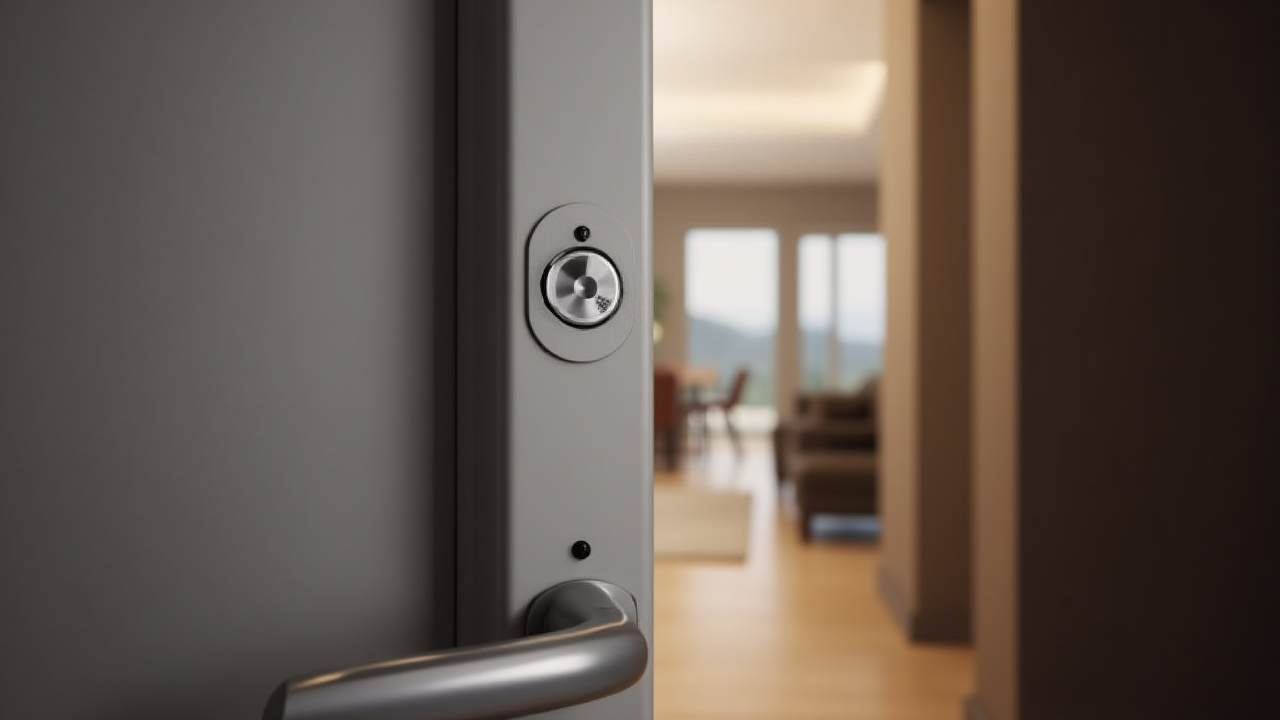
When you’re off enjoying a well-deserved holiday, the last thing you want to worry about is the safety of your home. Unfortunately, empty homes are easy targets for burglars, and even minor oversights can lead to break-ins, theft, or property damage. In this comprehensive guide, we’ll walk you through smart, modern strategies to safeguard your home while you’re away, ranging from tech-savvy upgrades to simple everyday precautions.
1. Invest in a Smart Security System
Home security technology has evolved beyond traditional alarm systems. Today’s smart systems allow you to monitor your home in real-time, control lights and locks remotely, and receive instant alerts for suspicious activity.
Benefits of modern security systems:
- Remote access via mobile apps
- Motion-detection cameras
- Smart locks and door sensors
- 24/7 professional monitoring
For residents in the UK capital, opting for security systems installation services in London ensures you’re choosing experts familiar with local risks and regulations. They can customise setups that are efficient, discreet, and perfectly suited to your home’s layout.
2. Secure All Entry Points
It sounds basic, but many homeowners forget to double-check every door and window before leaving. Don’t just lock them—reinforce them.
Checklist for entry point security:
- Install deadbolt locks and strike plates on doors
- Use window security film or glass sensors
- Secure pet doors and side gates
- Consider doorbell cameras for front entry visibility
Extra tip: Sliding doors are notoriously easy to bypass. Install a bar or rod in the track to prevent forced entry.
3. Make Your Home Look Occupied
An occupied home is far less likely to be targeted. With a few simple tricks, you can maintain the illusion that someone is inside—even when you’re miles away.
Effective strategies include:
- Use smart plugs to automate lights, TVs, and radios
- Ask a neighbour to park in your driveway
- Keep blinds slightly open and rotate lighting patterns
- Avoid overloading bins before leaving
Timed devices and light automation give the appearance of daily routines and discourage would-be intruders.
4. Pause Deliveries and Notify Trusted Neighbours
Overflowing postboxes and piled-up newspapers are sure signs that no one is home. Before leaving:
- Put your mail on hold or ask a friend to collect it
- Cancel or pause subscription services
- Inform a trusted neighbour of your absence and leave emergency contact details
This is especially helpful if a weather-related issue arises or there’s a power outage—they can intervene or notify you immediately.
5. Use Technology to Monitor and Deter Threats
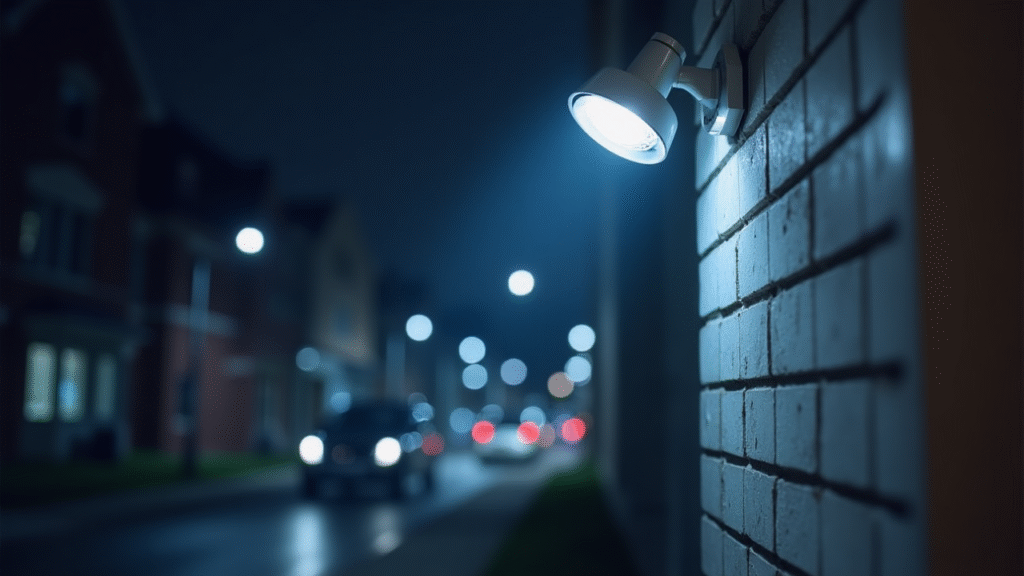
Beyond security cameras, various tools help you monitor your home remotely:
- Smart doorbells provide a live feed and two-way audio
- Sensor-triggered floodlights deter prowlers
- Mobile security apps allow instant response and alerts
- Integrated systems can alert emergency services on your behalf
For home security companies looking to reach more homeowners, it’s essential to tap into digital channels. With digital marketing for home security installation companies, service providers can effectively showcase their expertise to concerned property owners looking for reliable solutions.
6. Don’t Overshare Your Holiday Plans Online
Social media may seem harmless, but broadcasting your trip details publicly is like sending an open invitation to burglars. Avoid:
- Posting real-time travel updates or countdowns
- Sharing boarding passes or geotagged photos
- Mentioning how long you’ll be away
Instead, save the photo dumps and travel stories for when you’re safely back home. If you must post during your trip, tighten your privacy settings and limit your audience.
7. Turn Off and Unplug Electronics
Electrical fires are a real risk, especially when no one is around to notice. Unplugging devices not only prevents hazards but also reduces your energy consumption.
Unplug the following before leaving:
- Televisions
- Computers and printers
- Kitchen appliances (toasters, coffee makers)
- Chargers and power strips
Consider switching off your water heater or HVAC system (if weather permits) to save energy while you’re away.
8. Use Home Insurance Wisely
Check your policy before travelling. Some insurance providers require that homes not be left unoccupied beyond a certain duration, or they may void claims. Look into:
- What constitutes “vacant” vs. “unoccupied”
- Whether your home is insured during your trip
- Any additional coverage options for travel-related risks
Proper documentation, updated inventory lists, and photos of valuables can streamline claims in case of incidents.
9. Consider a House Sitter or Property Manager
If you’re planning a long trip, hiring a house sitter or asking a relative to stay over can offer added peace of mind. This ensures your home is physically occupied, and any emergencies can be handled swiftly.
You may also consider short-term property management services, especially if you own multiple residences or rent out part of your home.
Conclusion
Leaving home for a holiday should be exciting, not stressful. With the right combination of preparation, technology, and awareness, you can enjoy your time away knowing your property is well-protected. Start planning early, and make security an integral part of your travel checklist. After all, the best vacations start with peace of mind.