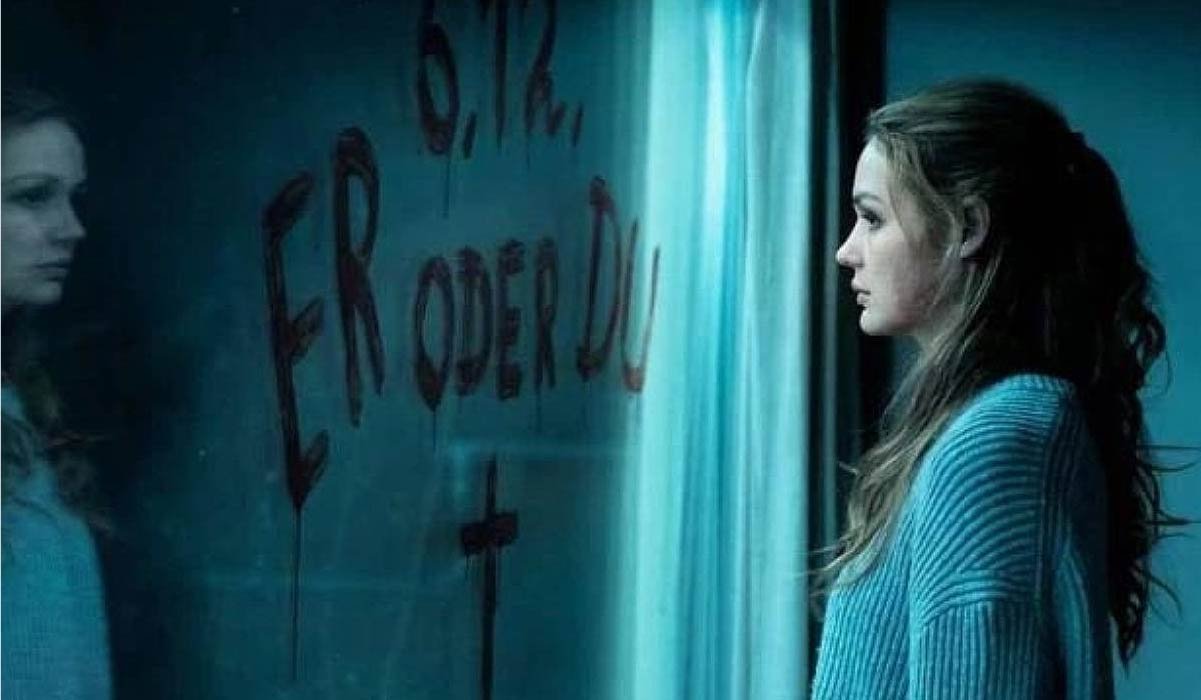
Thriller films live or die by their ability to keep audiences guessing. The genre thrives on uncertainty, misdirection, and the delicious discomfort of not knowing what comes next. Yet somewhere along the way, many modern thrillers lost that edge. They became predictable exercises in formulaic storytelling, trading genuine suspense for loud action sequences and easy resolutions.
“Looted” appears poised to remind us what the genre can achieve when it trusts its audience. This upcoming film has been generating quiet but persistent buzz among critics and early viewers who’ve seen it at industry screenings. Their enthusiasm centers on something increasingly rare: a thriller that earns its tension through character depth and moral complexity rather than manufactured spectacle.
The film’s approach feels both refreshing and essential. At a time when audiences crave substance alongside entertainment, “Looted” delivers a story that lingers in your mind long after the credits roll.
The Architecture of Tension
Most heist thrillers frontload excitement with the crime itself—the planning, the execution, the narrow escapes. “Looted” flips this structure. The heist happens early, almost perfunctorily. What follows is far more interesting: watching ordinary people grapple with extraordinary choices they’ve made.
This shift in focus creates a different kind of suspense. Rather than wondering if characters will succeed, we wonder if they can live with their success. The psychological weight becomes unbearable not through external threats but through internal reckoning.
The screenplay demonstrates remarkable restraint. Information arrives gradually, reshaping our understanding of earlier scenes. A conversation that seemed straightforward gains sinister undertones once we learn what certain characters knew all along. This layered storytelling rewards attention and encourages viewers to reconsider assumptions.
Character motivations remain refreshingly opaque. People act from mixed impulses—greed tangled with desperation, loyalty competing with self-preservation. The film resists the temptation to explain everything, trusting that ambiguity often feels more truthful than clarity.
When Desperation Becomes Decision
Economic anxiety runs through “Looted” like an underground current. The film doesn’t speechify about inequality or systemic failure, but these realities shape every choice characters make. Their circumstances feel painfully specific yet universally recognizable.
What makes the storytelling effective is its refusal to excuse behavior while acknowledging context. Characters cross ethical lines not because they’re inherently criminal but because legitimate options have narrowed to the point of disappearing. The film asks uncomfortable questions about culpability when society creates conditions that push people toward desperation.
This social consciousness elevates the material without weighing it down. The thriller elements remain paramount—tension builds, stakes escalate, and revelations shock. But the foundation of authentic human struggle gives those genre pleasures additional resonance.
The supporting characters avoid the typical thriller trap of existing solely to advance the protagonist’s journey. Each person feels fully realized, carrying their own histories and motivations that sometimes align with the main narrative and sometimes collide with it. This richness makes the story world feel inhabited rather than constructed.
Technical Precision in Service of Story
Cinematographer choices throughout “Looted” create an atmosphere of claustrophobia even in open spaces. Framing keeps characters slightly off-center, suggesting their moral displacement. Lighting shifts subtly to reflect emotional states without announcing itself. Every visual decision reinforces the psychological pressure cooker that the narrative constructs.
Sound design proves equally sophisticated. Long stretches of near-silence force viewers to lean into the discomfort, amplifying tension through absence rather than bombardment. When music appears, it comes sparingly and deliberately, marking emotional turning points rather than manipulating responses.
The editing rhythm mirrors the characters’ mental states. Early in the film, cuts feel measured and controlled. As consequences spiral, the pace quickens and fragments, reflecting mounting panic without resorting to incoherent action sequences.
Violence, when it occurs, shocks through its suddenness and consequences rather than its spectacle. The film understands that blood and brutality mean nothing without emotional context. Each violent moment connects directly to character arcs and thematic concerns, making them feel inevitable rather than gratuitous.
Redefining Genre Expectations
“Looted” joins a growing movement of thriller films that prioritize intelligence over adrenaline. These aren’t slow burns that mistake patience for profundity—they maintain genuine suspense while asking audiences to think and feel simultaneously.
The film’s structure challenges conventional wisdom about pacing. Traditionally, thrillers accelerate toward climactic confrontations. “Looted” maintains steady pressure throughout, with tension coiling tighter even during quiet character moments. This approach creates exhausting suspense in the best possible way.
Moral ambiguity permeates every scene. The film refuses to designate clear heroes or villains, forcing viewers to constantly reassess their sympathies. This complexity doesn’t create confusion but rather engagement. We become active participants in ethical judgment rather than passive consumers of predetermined verdicts.
The dialogue avoids the exposition dumps that plague lesser thrillers. Characters speak like real people—evasively, indirectly, with subtext layered beneath surface meaning. Conversations feel authentic while advancing plot and revealing character simultaneously.
Critical Reception and Commercial Potential
Industry insiders who’ve screened “Looted” consistently praise its craftsmanship and ambition. Early reviews highlight the cast’s nuanced performances, with particular attention to how actors convey internal conflict through subtle physical choices rather than broad emotional displays.
The film’s prospects look strong for several reasons. Quality thrillers reliably attract audiences when they deliver genuine suspense rather than false promises. The current entertainment landscape favors sophisticated storytelling that respects viewer intelligence. Word-of-mouth from early screenings suggests organic enthusiasm rather than manufactured hype.
Streaming has transformed distribution, but certain films demand theatrical viewing to achieve maximum impact. “Looted” falls firmly in this category. Its careful sound design and atmospheric cinematography create an immersive experience that home viewing can’t quite replicate.
The upcoming film arrives when audiences increasingly reject formulaic entertainment. Viewers want stories that challenge while entertaining, characters who feel human rather than archetypal, and themes that resonate beyond the immediate plot. “Looted” delivers on all counts.
Why This Thriller Film Matters
Looted film represents what genre filmmaking can accomplish when talent meets ambition. It proves that familiar elements can be reconfigured in ways that feel both recognizable and revolutionary. The heist thriller framework remains, but what’s built within that structure demonstrates genuine innovation.
The film’s emphasis on psychological realism over action spectacle suggests evolving audience tastes. People still want excitement and suspense, but they’re increasingly hungry for substance alongside those pleasures. Smart filmmakers recognize this shift and create work that satisfies on multiple levels.
Beyond its entertainment value, “Looted” offers a snapshot of contemporary anxieties. The economic pressures driving characters’ choices reflect broader societal concerns about inequality and diminishing opportunities. These themes give the story weight and relevance without overwhelming its thriller identity.
For genre enthusiasts and casual viewers alike, this upcoming film deserves attention. It showcases thriller filmmaking at its most confident and accomplished—tense, intelligent, morally complex, and thoroughly engaging. The kind of movie that reminds us why we fell in love with cinema in the first place.