
Traveling after varicose vein treatment can be intimidating, especially when it comes to air travel. Flights often require prolonged sitting, which can increase the risk of swelling, discomfort, and even blood clots. Patients who have undergone procedures like sclerotherapy, endovenous laser ablation (EVLA), radiofrequency ablation (RFA), surgical vein stripping, or VenaSeal glue treatment often wonder how soon they can safely fly.
Understanding the right timing, necessary precautions, and safe strategies for in-flight mobility is essential to ensure both a smooth recovery and a comfortable journey. This guide explains everything you need to know before boarding a flight after varicose vein treatment.
Let’s enjoy the detail-
Why Flying Can Be a Concern After Varicose Vein Treatment
Flying involves long periods of sitting with limited leg movement, which can compromise blood circulation in the lower extremities. After varicose vein treatment, the veins in your legs are in a healing phase, and immobility may increase pressure and cause complications if proper care is not taken.

Potential Risks
- Deep Vein Thrombosis (DVT): Blood may pool in the deep veins due to lack of movement, increasing the risk of clot formation.
- Swelling: Fluid accumulation may occur around treated veins, causing discomfort or visible swelling.
- Delayed Healing: Excess pressure on the legs or restricted circulation can slow recovery or interfere with vein closure.
Understanding these risks emphasizes the importance of planning flights carefully and taking proactive measures to protect vein health.
Recommended Waiting Period Before Flying
The waiting period before flying depends on the type of varicose vein treatment you underwent. The goal is to ensure your veins have healed enough to tolerate immobility without complications.
After Sclerotherapy
Sclerotherapy involves injecting a solution into small or medium-sized veins to close them.
- Short flights (<2 hours): Usually safe after 24-48 hours.
- Long flights (>4-6 hours): It is advisable to wait 3-5 days to reduce the risk of swelling and clot formation.
After Endovenous Laser Ablation (EVLA) or Radiofrequency Ablation (RFA)
These minimally invasive procedures use heat to close damaged veins.
- Short flights: Typically safe after 1-2 days.
- Long flights: Wait 5-7 days or until bruising and swelling have subsided.
After Surgical Vein Stripping
A more invasive procedure involving the removal of large veins.
- Short flights: Recommended to wait at least 1-2 weeks.
- Long flights: Ideally, wait 3-4 weeks until complete healing of incision sites.
After VenaSeal (Glue Treatment)
This modern technique seals veins with medical adhesive.
- Short flights: Short flights are usually safe within 24-48 hours.
- Long flights: Wait 3-5 days to minimize swelling and discomfort.
Note: Always consult your doctor before flying, as individual recovery rates can vary.
Precautions for Flying After Varicose Vein Treatment
Even after waiting the recommended period following varicose vein treatment, certain precautions are essential to prevent complications and ensure a comfortable flight experience. Taking care of your legs during travel helps reduce swelling, promotes healthy circulation, and minimizes the risk of blood clots.
“People with varicose veins are generally advised to favor shorter journeys and keep long‑haul flights to a minimum.” -UK Vein Clinic
Wear Compression Stockings
Compression stockings are one of the most effective tools for maintaining proper blood flow in the legs during air travel. They provide gentle pressure that supports the veins, reduces pooling of blood, and prevents swelling. Wearing them throughout the flight is particularly important for long-haul journeys, as prolonged sitting can increase pressure on the veins and hinder circulation.
Stay Hydrated
Proper hydration is crucial for maintaining healthy blood flow and reducing the risk of clot formation. Drinking plenty of water during the flight keeps your blood less viscous, which is particularly important after varicose vein treatment. Avoid excessive caffeine or alcohol, as these can contribute to dehydration and increase the likelihood of leg swelling or discomfort.
Move Frequently
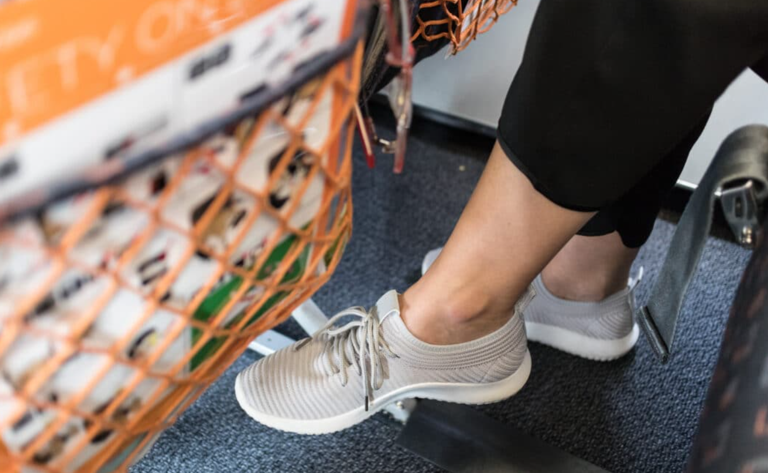
Staying active during a flight is key to preventing blood from pooling in the legs. Passengers are encouraged to walk down the aisle every 1-2 hours whenever possible. Even if walking is limited, performing simple leg exercises in your seat, such as ankle rotations, calf raises, and foot flexes, can significantly improve circulation and help maintain vein health.
Avoid Crossing Legs
While seated, it is important to avoid crossing your legs. Crossing the legs restricts blood flow and increases venous pressure, which can slow the healing process of treated veins. Keeping your legs uncrossed ensures better circulation and reduces the risk of swelling or discomfort.
Elevate Legs When Possible
Raising your legs slightly can help reduce pressure and swelling during the flight. Using a footrest or adjusting your seat to elevate your legs is a simple but effective method to promote healthy circulation. This small adjustment can make a significant difference in comfort, especially during long journeys.
Follow Post-Treatment Instructions
Finally, it is crucial to follow any specific instructions provided by your doctor after varicose vein treatment. If anticoagulants or other medications were prescribed, take them as directed. Following these medical guidelines, combined with proper hydration, movement, and compression support, greatly reduces the risk of complications during travel.
“After sclerotherapy … most healthcare experts recommend waiting for at least 3‑4 weeks before flying.” – Comprehensive Vein Care
Best Travel Practices Post-Treatment
Ensuring a safe flight involves planning, preparation, and careful attention to your legs’ needs.
- Plan Flight Timing Carefully: Avoid traveling immediately after treatment if possible.
- Inform the Airline: Some airlines provide priority seating or medical assistance for passengers who need it.
- Pack Essentials: Compression stockings, medications, water, and snacks should be easily accessible.
- Choose an Aisle Seat: This makes it easier to stand up and move around during the flight.
- Post-Flight Care: After landing, elevate your legs, walk around, and continue to monitor for any swelling or discomfort.
When to Avoid Flying
Flying should be postponed if you experience any complications from treatment:
- Excessive swelling or redness in treated areas.
- Severe pain or bruising.
- Signs of infection at the treatment site.
- Persistent throbbing or warmth in your legs.
These may indicate DVT or vein infection, which require immediate medical attention.
FAQs
How long after varicose vein treatment can I fly?
Waiting periods depend on the procedure: sclerotherapy (24-48 hours), EVLA/RFA (1-2 days for short flights, 5-7 days for long flights), surgical stripping (1-2 weeks for short flights), VenaSeal (24-48 hours). Always consult your doctor.
Are short flights safe after vein treatment?
Yes, short flights (<2 hours) are generally safe if you wear compression stockings, stay hydrated, and perform in-seat leg exercises.
Can flying increase the risk of varicose vein recurrence?
Flying does not cause recurrence, but prolonged immobility can increase swelling and clot risk. Precautions help maintain vein health.
Do I need a medical certificate to fly after treatment?
Routine vein treatments usually do not require a certificate, but recent surgeries or complications may require a doctor’s clearance.
Can I walk around during the flight?
Yes, walking at least once every 1-2 hours is highly recommended to improve circulation and prevent clot formation.
Conclusion
Flying after varicose vein treatment is generally safe when you follow the recommended precautions and observe the suggested waiting period.
To ensure a smooth and comfortable journey, it is important to wear compression stockings, stay well-hydrated, move your legs frequently during the flight, avoid crossing your legs, and consult your doctor before traveling.
By following these steps, you can protect your leg health, minimize swelling, and reduce the risk of complications, allowing for a safe and comfortable air travel experience.
References
- Gloviczki, P. et al. (2011). Care of patients with varicose veins and associated chronic venous diseases. Journal of Vascular Surgery, 53(5).
- Cleveland Clinic. (2023). Flying after vein procedures: Safety tips and recommendations.
- Mayo Clinic Staff. (2024). Varicose veins: Post-treatment recovery and travel advice.
- NHS. (2022). Varicose veins – Recovery and activity after treatment.
- American College of Phlebology. (2022). Guidelines for patients traveling after vein treatment.
- Harvard Health Publishing. (2023). Travel precautions after vein procedures.