The Growing Importance of Industrial Submersible Pumps in Non-mining Industries

Introduction
In an era where industries can’t afford delays or breakdowns, the role of reliable machinery has never been more critical. Submersible pumps, once considered tools reserved for the depths of mines and harsh slurry pits, are now stepping into new territories. They’re clearing floodwater from construction sites at dawn, circulating wastewater in treatment plants that run round the clock, and keeping agricultural fields irrigated when monsoon rains fall short. No longer limited to mining, these pumps have quietly become essential to everyday operations across sectors that depend on the constant movement of water and fluids.
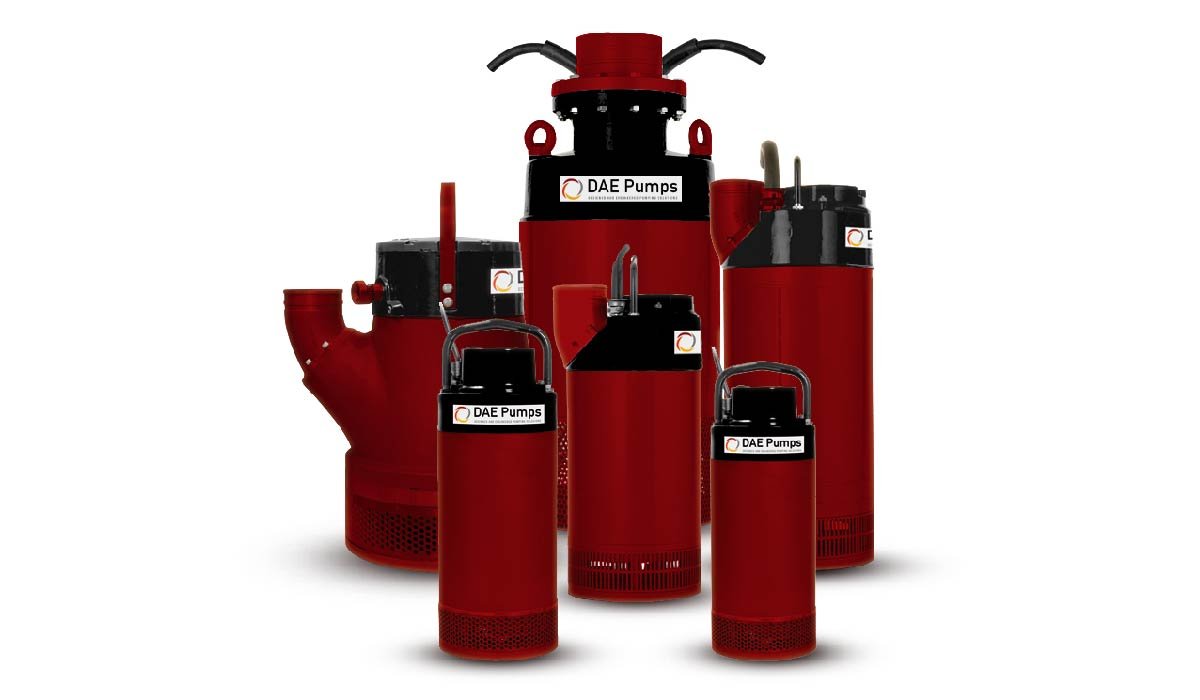
Companies like DAE Pumps have been instrumental in driving this evolution by designing durable, high-performance pumping systems that meet the diverse needs of modern industries. Their approach to innovation, combined with practical engineering, has made Submersible Pumps indispensable tools for a wide range of industrial water management systems.
Understanding the Role of Submersible Pumps
A submersible pump pushes liquids upward through an impeller and motor system enclosed in a waterproof case while working under the fluid’s surface. Submersible pumps are submerged in the medium they work with, such as water, slurry, or other industrial liquids, as opposed to surface pumps, which draw fluid from below. Even under difficult circumstances, this submerged pumping method reduces energy waste, avoids cavitation, and enables effective fluid transmission.
These pumps are becoming more and more popular in non-mining applications because to a number of features, such as their energy efficiency, small size, and capacity to handle a variety of liquids. Submersible pumps are becoming a crucial component of both temporary and permanent industrial water management systems as businesses prioritize sustainable practices and less downtime.
Expanding Applications Beyond Mining
Submersible pumps are still widely used in the mining industry, but non-mining sectors are increasingly adopting them due to their adaptability. They now play a particularly important role in the following important areas.
1. Wastewater and Sewage Treatment
Submersible pumps are essential for transporting massive amounts of water and sludge in municipal and industrial wastewater systems. They are perfect for settings with solids or sediments since they can function directly inside the fluid. For example, DAE Pumps’ pumps are dependable parts of wastewater and dewatering systems since they are made to withstand corrosion and manage abrasive elements.
Wastewater is lifted from collecting sites, fluids are circulated between treatment tanks, and cleansed water is released via submersible units, which are utilized in several phases of the treatment process. Additionally, their enclosed motors improve operational efficiency and environmental compliance throughout industrial water management systems by preventing pollution and reducing noise.
2. Agriculture and Irrigation
Consistent water distribution is essential for agriculture, especially in areas with inconsistent rainfall or few water supplies. To ensure consistent water flow, submersible pumps are widely utilized in drainage applications, wells, and irrigation systems. Reliability in both large-scale farms and smaller agricultural settings is ensured by their capacity to operate at varying depths and pressures.
Submerged pumping technology also decreases evaporation losses and eliminates the need for intricate surface installations. This translates into reduced maintenance costs and increased water usage efficiency for farmers and irrigation engineers, factors that are becoming more crucial as agriculture struggles to feed expanding populations while also protecting natural resources.
3. Construction and Dewatering
Stormwater buildup, floods, and excess groundwater are common problems on construction sites. By offering quick dewatering capabilities, submersible pumps provide a practical option that keeps workspaces stable and secure. Because of their small size and portability, contractors can swiftly deploy them without the hassle of complex setup.
For heavy-duty construction applications, DAE Pumps has developed submersible models that can handle both clean and sediment-laden water. In addition to preserving site integrity, controlling erosion, and reducing delays caused by water-related disturbances, these pumps are crucial for wastewater and dewatering applications.
4. Industrial Manufacturing
Cooling systems, fluid circulation, and waste treatment are common manufacturing operations that rely on effective pumping solutions. Because of its sealed motor structure, which removes the possibility of leakage or contamination, submersible pumps are extensively utilized in the chemical, food processing, and paper sectors.
They are appropriate for managing process water, lubricants, and industrial byproducts due to their capacity to control different fluid viscosities and temperatures. Additionally, they are ideal for interior facilities where preserving a secure and comfortable environment is crucial due to their low noise operation and minimum vibration. Because of these benefits, submerged pumping technology is essential to effective industrial water management systems.
5. Coastal and Environmental Management
Another growing area for Submersible Pump applications is coastal management and environmental restoration. These pumps are used to manage tidal flows, remove sediment buildup, and support wetland restoration projects. Their robust construction allows them to perform efficiently in harsh saline conditions, helping to protect fragile coastal ecosystems.
As climate resilience becomes a priority for both the public and private sectors, submerged pumping technology is being deployed for flood control, stormwater management, and erosion mitigation. Their ability to operate continuously underwater gives them an advantage in managing dynamic and unpredictable environments.
Advantages Driving Industry Adoption
The rapid growth of Submersible Pumps in non-mining industries can be attributed to a combination of technical and economic benefits.
1. Energy Efficiency:
Because submersible units push fluid rather than pull it, they require less energy to overcome suction head losses. This translates into lower power consumption and reduced operational costs.
2. Space and Safety Benefits:
Submersible designs eliminate the need for large surface installations, reducing space requirements and minimizing exposure to moving mechanical parts. This leads to safer work environments and easier compliance with safety standards.
3. Durability in Harsh Conditions:
Modern Submersible Pumps are constructed from materials that resist corrosion, abrasion, and chemical damage, ensuring reliable operation even in aggressive environments such as saltwater or industrial effluent.
4. Low Maintenance Requirements:
Submersible variants are less likely to experience mechanical wear since they have less visible parts. A key component of contemporary wastewater and dewatering systems is user-friendly maintenance, which is emphasized by brands like DAE Pumps with modular components that are simple to replace or service on-site.
Sustainability and the Future of Submersible Pump Technology
With their extended service life and energy-efficient designs, submersible pumps are keeping up with the trend toward sustainability, which has become a distinguishing characteristic of industrial advancement. Operators can monitor performance in real time with the help of sophisticated monitoring tools found in many contemporary systems. Smart automation and predictive maintenance are extending equipment lifespan and lowering energy use.
For instance, DAE Pumps keeps improving its designs with better impeller technology and eco-friendly materials. The company’s emphasis on sustainability and efficiency guarantees that its solutions satisfy the expanding need for resource-conscious industrial water management systems worldwide.
Conclusion
The role of Submersible Pumps has evolved far beyond traditional mining operations. Their integration into non-mining industries demonstrates how adaptable and vital this technology has become for modern infrastructure. From wastewater and dewatering solutions to construction and agriculture, these pumps enable essential processes that keep industries running efficiently and sustainably.
Companies like DAE Pumps are helping define the future of industrial pumping solutions, developing systems that not only perform under demanding conditions but also contribute to long-term environmental and operational sustainability.