

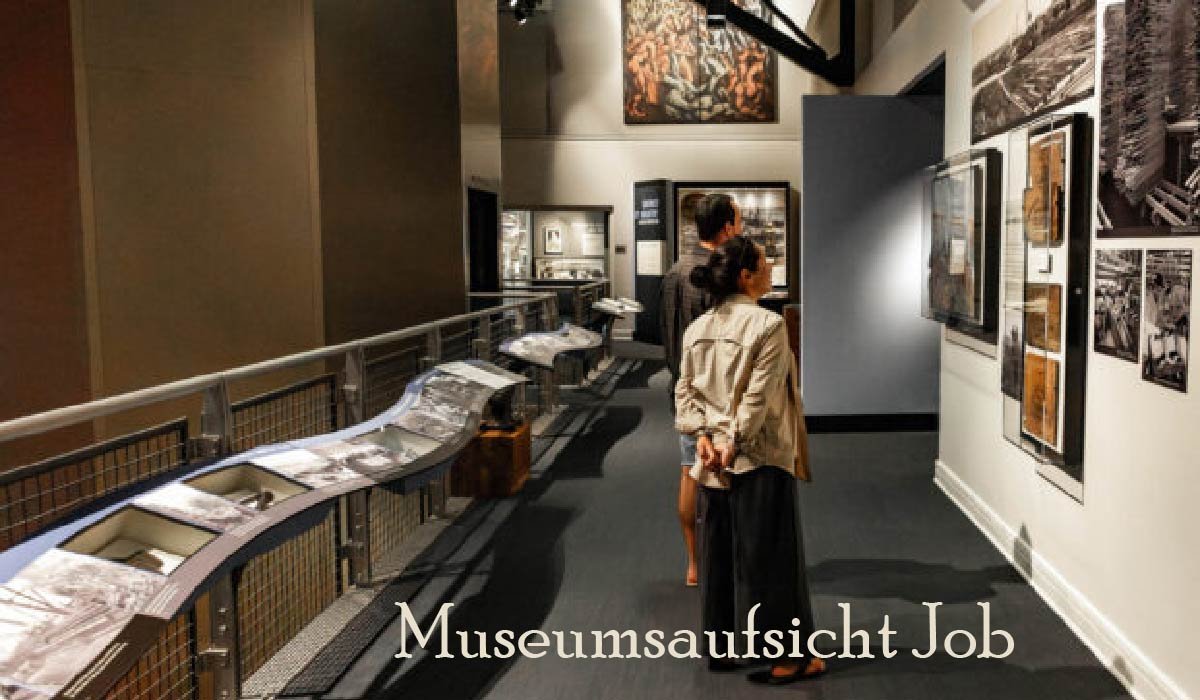
Introduction
The Museumsaufsicht Job—commonly known as museum attendant or supervisor—is one of the most crucial yet often underappreciated professions in the cultural sector. Museums, galleries, and heritage centers depend on these professionals to create a safe, educational, and enjoyable environment for visitors. A Museumsaufsicht ensures that exhibits remain intact and protected while offering friendly assistance to guests exploring art, history, science, or cultural heritage. The position seamlessly blends customer service, public interaction, and security responsibilities, demanding both attentiveness and empathy. This role plays a significant part in preserving the integrity of collections and the safety of guests, while also embodying the institution’s mission to educate, inspire, and connect people with culture. In this comprehensive guide, we’ll explore every aspect of the Museumsaufsicht Job—from its key duties and required skills to salary ranges, working conditions, and future opportunities in the evolving museum landscape.
What Is a Museumsaufsicht?
The term “Museumsaufsicht” is of German origin and literally translates to “museum supervision” or “museum oversight.” It refers to the professional who supervises museum halls, exhibitions, and public spaces to ensure both the exhibits and visitors are secure. In English-speaking countries, this role is usually known as a museum attendant, gallery supervisor, or floor warden, but the responsibilities remain largely the same. The Museumsaufsicht acts as the bridge between the collection and the audience—both protector and guide—ensuring visitors have an enriching, safe experience while maintaining respect for the displayed artifacts. The job exists worldwide under various titles, yet its essence remains universal: to guard cultural treasures, promote public understanding, and maintain the smooth functioning of museum operations. In today’s museums, this role has evolved beyond simple observation, becoming an active form of cultural ambassadorship and guest engagement.
Core Duties and Responsibilities
The Museumsaufsicht Job encompasses a variety of interconnected responsibilities that combine vigilance, communication, and visitor support. It is not limited to security or customer service but integrates both dimensions harmoniously to ensure that the museum environment runs efficiently and safely.
Visitor Interaction and Service
A large part of a Museumsaufsicht’s daily routine involves interacting directly with visitors. They greet guests at the entrance, validate tickets, provide directions to different exhibits, and answer general questions about collections, facilities, or events. A professional demeanor and warm communication style are vital since they are often the first and last point of contact for museum guests. They may also assist visitors with special needs, ensuring accessibility for people with disabilities or elderly guests. Through these interactions, the Museumsaufsicht enhances the overall visitor experience and reinforces the museum’s reputation for hospitality and education.
Security and Surveillance
Another core aspect of the Museumsaufsicht Job is ensuring the physical protection of exhibits and the safety of visitors. These professionals maintain constant awareness of their surroundings, observing guests to prevent theft, damage, or inappropriate behavior. They enforce house rules such as prohibitions on flash photography, food, or touching exhibits. In some institutions, the Museumsaufsicht also monitors CCTV systems and reports any suspicious activity or technical malfunction to security teams. Their presence alone acts as a deterrent against misconduct while offering reassurance to the public that the institution values safety and order.
Event and Flow Management
Museums frequently host temporary exhibitions, special events, and educational programs that attract large crowds. During these occasions, the Museumsaufsicht plays an essential role in managing visitor flow and maintaining order. They may assist with cloakroom services, direct guests through one-way routes, or ensure smooth transitions between exhibits. Their coordination skills become particularly critical during high-traffic days such as school tours, weekend exhibitions, or opening nights. This aspect of the job highlights their contribution not only as guards but as logistical facilitators ensuring every event operates smoothly.
Emergency Preparedness
The Museumsaufsicht Job also demands readiness for emergencies. Whether responding to medical incidents, power outages, or fire alarms, attendants must act quickly and responsibly. They are trained to follow established emergency protocols, guide visitors to exits, and cooperate with security personnel or first responders. Their composure during stressful situations ensures the safety of both people and priceless objects. This preparedness reflects their professionalism and their central role in maintaining the museum’s public trust.
Required Skills and Personal Attributes
A successful Museumsaufsicht combines a unique mix of interpersonal, physical, and cognitive skills. Excellent communication abilities are essential for dealing with diverse visitors and providing clear information in a calm, courteous manner. A steady and patient demeanor helps manage stressful situations such as crowded exhibitions or demanding guests. Attention to detail is critical—detecting subtle risks, recognizing potential hazards, and maintaining alertness throughout long shifts. Physical stamina is another core requirement since attendants often stand or walk for extended periods during museum hours. Equally important are teamwork and reliability, as museum operations rely on consistent coordination among staff. A genuine interest in art, history, or science enriches their role, enabling them to connect more meaningfully with exhibits and visitors alike. These combined skills create professionals who balance empathy with authority, ensuring cultural preservation and visitor satisfaction simultaneously.
Education, Training, and Certifications
Basic Educational Requirements
Most Museumsaufsicht positions require a high school diploma or equivalent, making the role accessible to individuals from diverse educational backgrounds. However, a foundation in fields such as art history, tourism, cultural studies, or public administration is advantageous. Some museums value candidates with additional coursework in communication or hospitality because these skills directly enhance visitor engagement.
Certifications (Especially in Germany)
In Germany, many employers prefer candidates who have completed the §34a GewO security certification, a legally recognized qualification for roles involving public safety and property protection. This certification demonstrates knowledge of relevant laws, safety protocols, and professional conduct. Additional certifications in first aid, fire safety, and emergency management are highly valued, reflecting readiness to respond effectively in crisis situations. These qualifications not only boost employability but also showcase professionalism and dedication.
Language Skills
Since museums attract international audiences, language proficiency is a significant asset. Fluency in German is mandatory for most positions in German-speaking countries, while English is usually required to assist foreign visitors. Multilingual skills—especially in French, Spanish, or Mandarin—further enhance communication capabilities, opening opportunities in international or tourist-heavy institutions.
Working Conditions and Environment
The Museumsaufsicht Job is typically based in indoor settings such as galleries, exhibition halls, or cultural heritage centers, though some positions involve outdoor areas like open-air museums or archaeological parks. Attendants spend much of their day standing or walking, maintaining a vigilant presence throughout the museum’s public areas. Work schedules often include weekends, holidays, and evening events, reflecting the dynamic nature of cultural venues. Uniforms or formal attire are usually provided to ensure a consistent and professional appearance that reflects the museum’s standards. The work environment is generally calm, yet it demands high levels of focus and alertness, especially when monitoring valuable exhibits or large crowds. The ability to remain composed and observant under varying conditions defines a truly skilled Museumsaufsicht.
Salary and Benefits
Typical Salary in Germany and Europe
The salary for a Museumsaufsicht Job varies depending on the employer, location, and experience. In Germany, entry-level attendants typically earn between €12 and €15 per hour, while those with more experience or supervisory duties may earn higher hourly rates or fixed monthly salaries. In public museums, pay often follows collective agreements, ensuring stable and fair compensation structures. Private institutions, meanwhile, may offer competitive hourly wages or performance-based incentives. Although it’s not a high-income profession, the stability and job satisfaction compensate for the modest pay.
Common Benefits
Beyond base pay, many museums provide additional benefits to enhance employee well-being. These can include holiday bonuses, paid training programs, uniforms, public transport allowances, and free admission to cultural institutions. Public sector roles often come with pension schemes and paid leave, providing long-term security. For those passionate about culture, the daily exposure to art, science, or heritage is itself a priceless perk, enriching both professional and personal life.
Career Progression and Growth
Advancement Opportunities
Although the Museumsaufsicht Job is often viewed as an entry-level position, it serves as an important gateway to a range of careers in the museum and cultural sector. With experience, attendants can advance to senior gallery supervisor, security coordinator, or visitor services manager. Those with additional academic qualifications can move into roles such as education officer, curatorial assistant, or event manager. Each of these paths builds on the core strengths of observation, communication, and professionalism developed in the role.
Upskilling Options
Ambitious professionals can enhance their prospects through courses in museum studies, cultural heritage management, hospitality training, or language development. Continuous learning enables Museumsaufsichten to stay current with industry trends, adopt new technologies, and eventually transition into leadership or specialist roles. This upward mobility makes the role a valuable starting point for anyone seeking a long-term career in culture or education.
Common Challenges in the Museumsaufsicht Job
Like any profession, the Museumsaufsicht Job comes with its challenges. Attendants often spend long hours standing or walking, which can be physically demanding. Managing difficult visitors or enforcing rules requires patience, diplomacy, and firmness. The work may sometimes feel repetitive during quiet hours, yet vigilance must never waver since even small lapses can lead to damage or theft. Furthermore, the irregular schedule—including weekends and evenings—may test work-life balance. Emergency situations, while rare, can be stressful and demand composure. However, those who approach these challenges with resilience and professionalism find the role deeply rewarding, as it contributes directly to the protection and promotion of cultural heritage.
Key Rewards and Benefits of the Role
Despite its demands, the Museumsaufsicht Job offers immense personal and professional satisfaction. It provides the opportunity to work daily amid art, history, and science, turning one’s workplace into a center of inspiration and learning. Attendants actively participate in public education by guiding visitors, ensuring they enjoy and respect cultural spaces. The role also fosters interpersonal growth, developing communication, empathy, and problem-solving skills that are valuable in any industry. It offers stability, purpose, and a sense of pride in preserving the past for future generations. For many, this job is not just employment—it is a meaningful contribution to society’s collective memory.
How to Apply for a Museumsaufsicht Job
Securing a position as a Museumsaufsicht begins with research. Identify museums that align with your interests—art, history, science, or heritage—and study their mission and visitor profile. Craft a professional resume highlighting relevant experience in customer service, security, or hospitality. Emphasize key strengths such as attentiveness, reliability, and communication. Write a cover letter that reflects your passion for culture and your commitment to maintaining safety and professionalism. During interviews, be prepared for situational questions about conflict resolution, crowd management, or handling emergencies. Demonstrating composure, cultural awareness, and a genuine love for public service will set you apart as an ideal candidate.
Tips for Succeeding as a Museumsaufsicht
To excel in the Museumsaufsicht Job, professionals should continuously develop both practical and interpersonal abilities. Learn as much as possible about the museum’s collections so you can provide informative answers to visitor questions. Practice de-escalation techniques to handle conflicts politely and effectively. Maintain good physical health to manage long shifts and stay alert. Building positive relationships with colleagues ensures seamless teamwork, especially during busy events. Lastly, participate in internal workshops, safety drills, or professional development courses to stay informed about museum standards and innovations. Consistent learning and adaptability are keys to long-term success in this evolving field.
The Future of the Museumsaufsicht Profession
As museums evolve in the digital era, the Museumsaufsicht Job is also transforming. Institutions are increasingly adopting interactive displays, augmented reality tours, and digital engagement tools, requiring attendants to understand and assist with technology-based exhibits. The role now extends beyond security and customer service—Museumsaufsichten act as cultural ambassadors, helping visitors navigate new experiences that blend art with innovation. Additionally, sustainability and accessibility have become major priorities, with attendants supporting eco-friendly operations and inclusive practices for all guests. As museums expand their outreach through virtual platforms and hybrid events, professionals who combine traditional vigilance with modern adaptability will remain indispensable to the future of cultural stewardship.
Conclusion
In conclusion, the Museumsaufsicht Job represents far more than simple supervision—it embodies the intersection of safety, hospitality, and cultural education. These professionals protect priceless artifacts, guide diverse visitors, and uphold the museum’s mission to inspire curiosity and respect for heritage. The role demands attentiveness, patience, and empathy, yet rewards those who seek meaningful, purpose-driven work. For anyone passionate about art, culture, or public engagement, becoming a Museumsaufsicht offers both stability and personal fulfillment. As museums continue to modernize, this role remains at the heart of their success—proving that safeguarding culture is not just a duty, but an honor.
FAQs About Museumsaufsicht Job
1. What is a Museumsaufsicht Job?
A Museumsaufsicht Job is a museum attendant or supervisor role where you help protect exhibits, guide visitors, and ensure the museum stays safe and welcoming. It combines customer service, safety, and cultural care.
2. What does a Museumsaufsicht do every day?
A Museumsaufsicht checks tickets, greets visitors, watches over the exhibition halls, enforces museum rules, and helps during emergencies or events. They make sure both people and exhibits are safe.
3. Do I need a degree for a Museumsaufsicht Job?
No, you usually don’t need a college degree. Most museums only ask for a high school diploma. Some may want security training, first aid certification, or language skills, especially in Germany.
4. How much does a Museumsaufsicht earn?
In Germany, a Museumsaufsicht earns between €12 and €15 per hour when starting. More experience or special duties can bring higher pay and extra benefits like free museum access or holiday bonuses.
5. Can the Museumsaufsicht Job lead to a museum career?
Yes, it can! Many people start as a Museumsaufsicht and later move into jobs like museum guide, education staff, event coordinator, or even curator—especially with more training or studies in culture or tourism.
You May Also Read: Orgasamtrix Secrets: The Powerful Path to Deeper Intimacy and Connection
For More Information, Visit Dotmagazine