When a suicide happens, families are left facing more than just grief. There’s also the difficult reality of cleaning up the scene. This process isn’t only about appearance—it’s about safety, health, and restoring a sense of normalcy. If you’ve never been through it before, you might wonder: What exactly happens during a professional suicide cleanup service?
Here’s a step-by-step look at what you can expect, from the first phone call to having your home safe again.
Step 1: Making the First Call
After emergency responders and the coroner have left, the space is often unsafe. Biohazards like blood and bodily fluids can carry pathogens. That’s why most people contact a professional suicide cleanup service right away.
The first call usually covers:
- What happened and where it occurred
- Whether the property is a home, rental, or business
- Insurance information (if available)
- Immediate safety advice until the team arrives
Step 2: Assessment and Safety Setup
When the team arrives, their first task is assessing the scene. They’ll identify affected areas, decide what can be cleaned versus removed, and check for hidden damage (like flooring or walls).
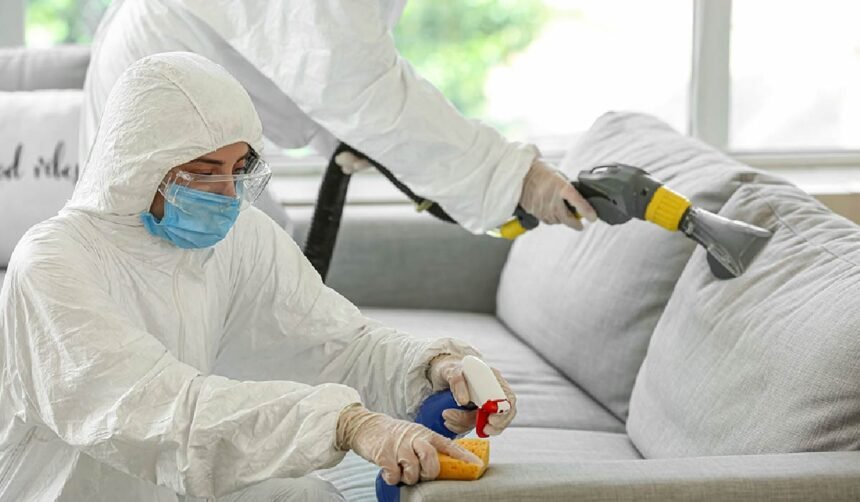
Before touching anything, they put on personal protective equipment (PPE)—suits, gloves, masks, and respirators. Barriers may also be set up to prevent cross-contamination into unaffected parts of the home.
Step 3: Biohazard Removal
This is the most sensitive part. Any material that has absorbed blood or bodily fluids is carefully removed and placed into medical-grade containers. Items might include carpets, mattresses, clothing, or even sections of drywall.
It’s important to know that professional cleanup isn’t about throwing everything away. Technicians aim to save as much of the property as possible, while making sure no health hazards remain.
Step 4: Cleaning and Disinfecting
Once contaminated materials are removed, the team uses hospital-grade cleaners and specialized equipment (such as foggers or ozone machines) to disinfect all surfaces.
This process doesn’t just target what’s visible. Pathogens can linger in tiny cracks or pores of surfaces, so multiple rounds of cleaning and disinfecting may be done until tests confirm safety.
Step 5: Odor Elimination
Strong odors are common after a traumatic event. professional suicide cleanup service use tools like hydroxyl generators or ozone treatment to neutralize odors at the molecular level. Unlike store-bought sprays, these methods remove odors permanently instead of masking them.
Step 6: Final Verification
Before leaving, reputable companies do a final walkthrough with the property owner. They explain what was cleaned, what was removed, and what still needs repair (if anything). Some companies provide documentation for insurance claims as well.
Here’s a simple breakdown of what gets addressed:
| Stage | What’s Done | Why It Matters |
| Assessment | Identify hazards & damage | Plan safe cleanup |
| Removal | Take out contaminated items | Eliminate biohazards |
| Cleaning | Disinfect all surfaces | Reduce infection risk |
| Odor Control | Neutralize lingering smells | Restore comfort |
| Verification | Walkthrough & testing | Ensure safety & closure |
Step 7: Restoring Your Home
Depending on how much had to be removed, you may need follow-up repairs or renovations. Some cleanup companies coordinate with contractors to replace flooring, paint walls, or restore rooms.
The goal isn’t just safety—it’s giving the family or property owner a space that feels like home again.
Insurance and Costs
One common worry is cost. The good news is that many homeowner’s and renter’s insurance policies cover suicide cleanup services. According to a report by Forbes on homeowners insurance, coverage often includes biohazard cleanup if it’s related to damage to the home.
Professional cleanup teams typically help families file claims, easing one more burden during an already difficult time.
Why Professional Help Matters
Some people think they can handle cleanup themselves, but this can be dangerous. Beyond the emotional toll, exposure to bloodborne pathogens is a serious health risk. Professionals are trained, certified, and equipped to handle these situations discreetly and compassionately.
For families, choosing a trusted provider means they don’t carry the weight of the cleanup on top of their grief.
A Note on Industry Standards
Cleanup after a suicide isn’t just a service—it’s a specialized industry. Companies like TACT Franchising have built nationwide networks of trained teams who follow strict protocols. This ensures that whether you’re in Maryland, Las Vegas, or another city, you receive the same standard of professional care.
Final Thoughts
No one wants to think about the practical side of a tragedy. But knowing what to expect during a suicide cleanup process can provide some peace of mind. From the first phone call to the moment your home is restored, professional services exist to protect your safety, support your healing, and help you move forward.