
It is a thrilling experience to plan an outdoor project, until you hit the speed bump of permits, inspections, and HOA approvals. In the case of Bellevue, WA, the positive news is that most surprises can be avoided using a modest amount of up-front research and a simple roadmap.
This tutorial takes you through the most frequent permits and HOA regulations that may potentially apply to patios, decks, covers, fences, retaining walls, outdoor kitchens, and other exterior improvements in Bellevue. I will also provide a straightforward, step-by-step strategy so that you can manage your time (and budget).
Understanding Bellevue Land Use and Zoning Authorities
The rule layers applicable to your property should be established before you design anything. Outdoor developments in Bellevue would commonly be categorized under a combination of:
- City of Bellevue building and land use rules.
- King County or state requirements (sometimes, depending on the location and utilities).
- HOA/condo association rules (assuming you have one).
- Topography and geography (neighborhoods, steep slopes, shoreline regulations, and so on).
The key idea is overlap. It is possible to receive HOA approval and fail a city inspection, or receive a city permit and still break HOA design rules. Expensive rework is avoided by planning around both of them.
Common Permit Triggers for Bellevue Outdoor Projects
Depending on the type of structure you are constructing, the location of the building on the lot, and whether the construction interferes with utility lines or alters grades, permit requirements vary. The following are the most prevalent permit trigger items that homeowners encounter:
- Structural work: Patio covers, pergolas attached to the home, gazebos, and structural foundations.
- Retaining walls: Tall walls or walls that support a slope or driveway.
- Electrical: New outlets, hot tubs, outdoor electrical lighting, and outdoor kitchens with power appliances.
- Plumbing/gas: Fire pit gas lines, grill gas lines, heaters, sink water lines, and irrigation water lines.
- Grading/drainage: Re-sloping the yard, introducing drainage features, or altering runoff patterns.
- Work around property lines: Fences, walls, and buildings near setbacks.
- Right-of-way impacts: Anything that affects sidewalks, curbs, or frontage.
Due to the changing nature of rules and the importance of details, this is more of a guideline than advice. The surest thing to do is verify requirements through the permitting resources of the City of Bellevue or a licensed professional working in the area.
Site Constraints: Setbacks, Easements, and Critical Areas
Many outdoor projects are not halted because the design is bad; they are stopped because they are proposed for the wrong location.
These are three pitfalls that may halt plans:
- Setbacks: Although you own the land, you might be denied permission to construct a building within a specific distance of property lines.
- Easements: Utility and access easements may define the location of your footings, walls, and even deep excavations.
- Critical areas: Steep slopes, wetlands, streams, and some buffers may introduce additional review steps or prevent changes.
You can take a recent survey or plot plan and mark out the proposed footprint; otherwise, you cannot be sure. This step will save you the time of redesigning after you have already spent money on drawings.
Navigating HOA Rules and Architectural Reviews
If you have an HOA (or a condo association), assume that you will have to undergo an Architectural Review process for anything visible or structural. HOAs are usually more concerned with aesthetics, uniformity, and the impact on neighbors—sometimes being stricter than the city itself.
Typical HOA specifications are:
- Certified materials, colors, and finishes.
- Height restrictions (fences, pergolas, privacy screens).
- Visibility regulations regarding the exterior or immediate neighborhood.
- Noise and labor-hour limits on subcontractors.
- Contractor insurance and site protection requirements.
- Submission, review, and resubmittal timelines.
A neighbor notification step or evidence of city permits may also be required by your HOA to give final approval. The greatest threat in this case is timing: HOA reviews may require weeks, which is problematic if you submit at the last minute.
A Strategic Timeline for Permits and Approvals
To reduce stress, use the following sequence:
- Determine the scope (what are you building, where, and what utilities does it require).
- Gather your HOA documents (CC&Rs, Architectural Guidelines, and submission forms).
- Confirm city permit requirements based on scope and location.
- Design a simple site plan (a rough sketch to begin with).
- Submit to the HOA, and polish details while you wait.
- Get permits after securing the design.
- Schedule work around inspections and HOA requirements.
The reason this strategy is effective is that you deal with the “gates to approval” early, before you have invested time in costly raw materials or non-refundable deposits.
Managing Your Bellevue Contractor and Project Scope
You can use your own checklist even when you are outsourcing. Contractors can process permits, but you want to know clearly who will do what, and what will happen should anything go amiss.
To discuss the project with patio contractors in Bellevue, you should ask some direct questions at the very beginning:
- Will you pull the permit under your license, or shall I pull it as the homeowner?
- What do you include in your bid (site plan, structural details, drainage notes)?
- Have you worked in neighborhoods that have HOA review requirements?
- What is your approach to scheduling and correcting inspections?
A good pro will not simply tell you that they will take care of it. They will describe the processes and expectations, and commit responsibilities to paper.
Navigating the Inspection Process and Schedule
Permitting is not just paperwork but a procedure. Numerous outdoor projects demand one to several inspections, including:
- Footing/foundation inspection (prior to pouring concrete).
- Framing inspection (before everything is covered).
- Lighting, outlets, heating, and electrical inspection.
- Final inspection (project completion).
A practical planning tip is to include inspection padding in your schedule. Even with everything done properly, weather delays, inspection availability, and minor corrections may occur.
Efficiently Bundling Exterior Remodeling Upgrades
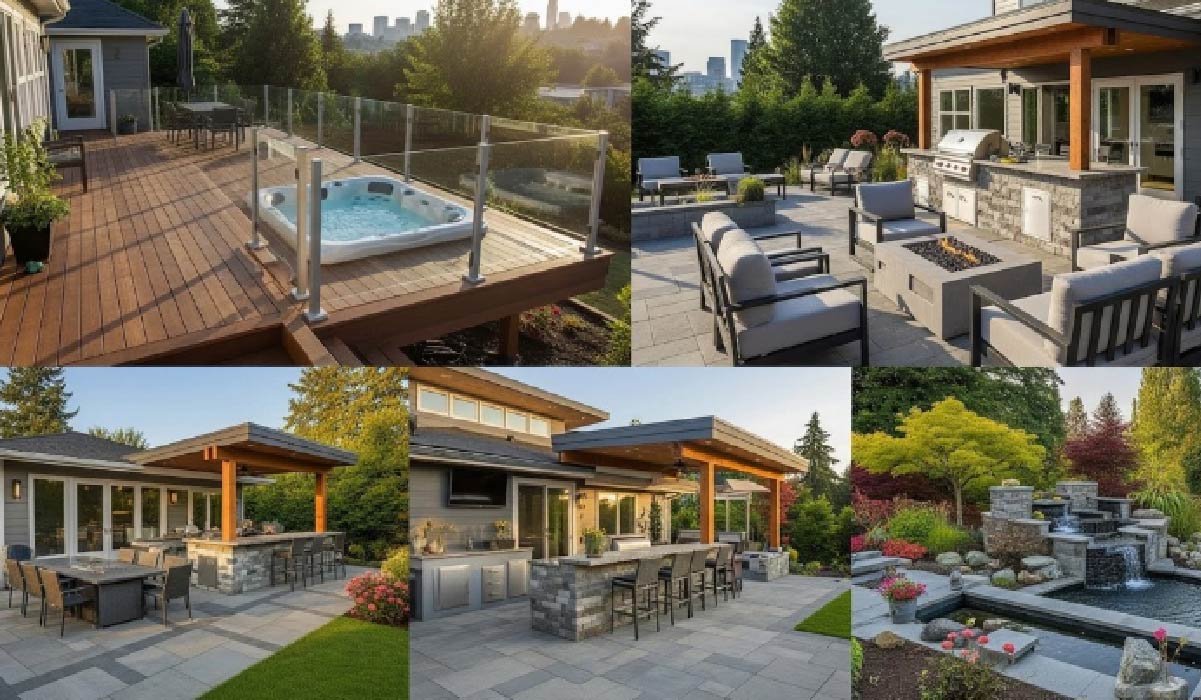
Homeowners may find themselves halfway through construction and realize they would also like to make other minor changes while crews are already working, such as exterior lighting, siding repairs, or entryway enhancements. That may make sense, but you are subject to “permit creep” if you keep expanding the scope without checking the requirements.
When you already have exterior remodeling in Bellevue in mind, consider early on whether it belongs in the same project phase. Bundling can help minimize disruption and can even be cost-effective by saving on labor; however, it can sometimes add a new type of permit or inspection, particularly when you are modifying structural elements or introducing new electrical circuits.
An excellent guideline: if an additional upgrade involves adjustment of the structure, utilities, or drainage, stop and confirm the permit impact before giving it the green light.
The Essential Pre-Submission Checklist
The following short list can be used to cut the back-and-forth with the city or your HOA:
- Your plot plan or property survey is up to date.
- You have identified property lines, setbacks, and any easements.
- Your plan reflects dimensions, heights, materials, and finishes.
- You have considered drainage (where water flows after the project).
- Everything you need is in your HOA packet.
- Permits and inspections are addressed in your contractor agreement.
With these answered properly, approvals are made quicker—and the project is quieter.
Conclusion: Smart Planning for Outdoor Living
All the permits and HOA regulations may appear as barriers, yet they are actually the railing that prevents your project from falling over, ensures it meets neighborhood standards, and makes it less likely to cause conflicts in the future. By confirming the rules at the first stage, creating a simple submission package, and keeping scope changes to a minimum, you will spend a lot less time waiting, and much more time enjoying your new outdoor environment.