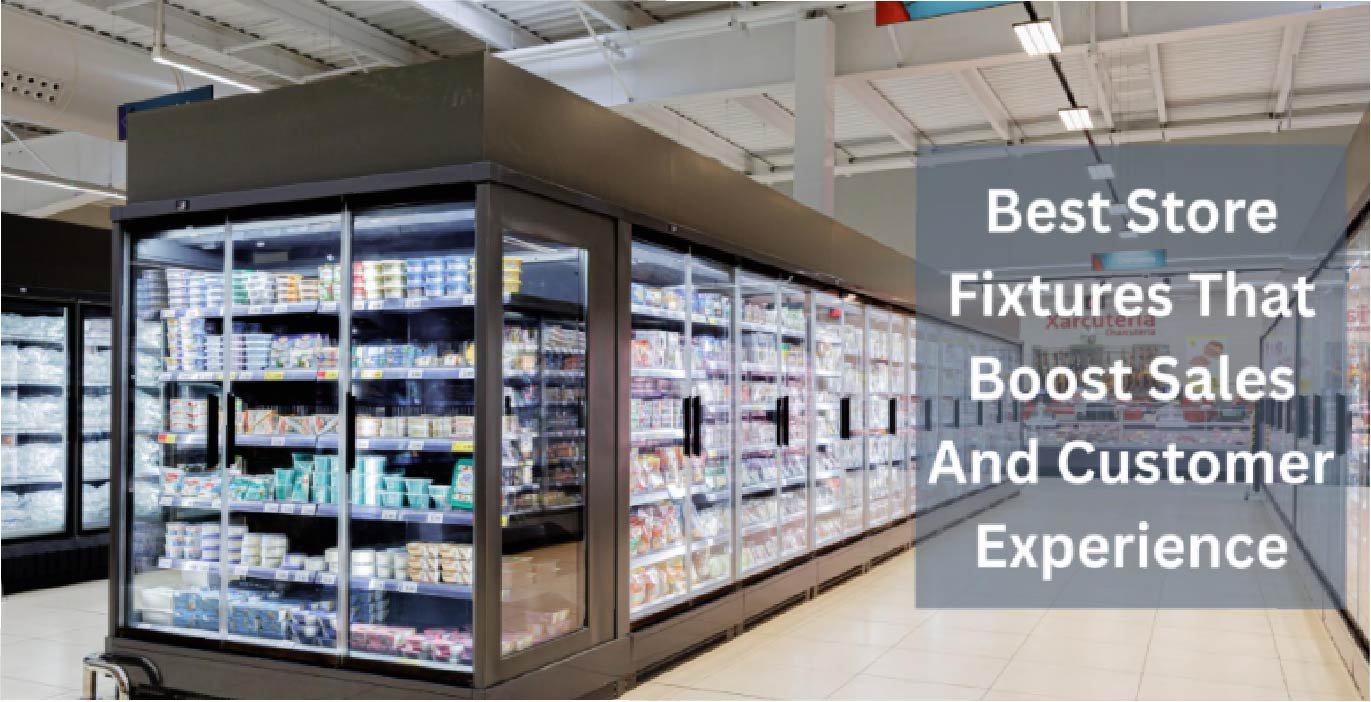
A well-designed retail space is not merely a place where goods are presented; it also guides consumers, shapes their perceptions, and builds confidence in their buying decisions.
Customers will immediately spend more time with the products as soon as they enter the store, thanks to its transparent, friendly, and easy-to-navigate atmosphere.
That is why the correct fixtures are such a crucial component of retail success. Every shelf, counter, wall panel, or display unit affects shoppers’ perceptions of products and their comfort as they move around. Well-considered fixtures can be used to keep order, emphasize priority stock, and provide a sense of consistency and pleasant experience.
With changing retail trends and increasing consumer demands, stores must have fixtures that are practical, aesthetically pleasing, and flexible.
This article discusses the most appropriate fixtures that can increase product visibility, facilitate easy navigation, and, ultimately, drive sales and improve the overall customer experience.
1. Vertical Merchandising: Shelving and Slatwall Systems
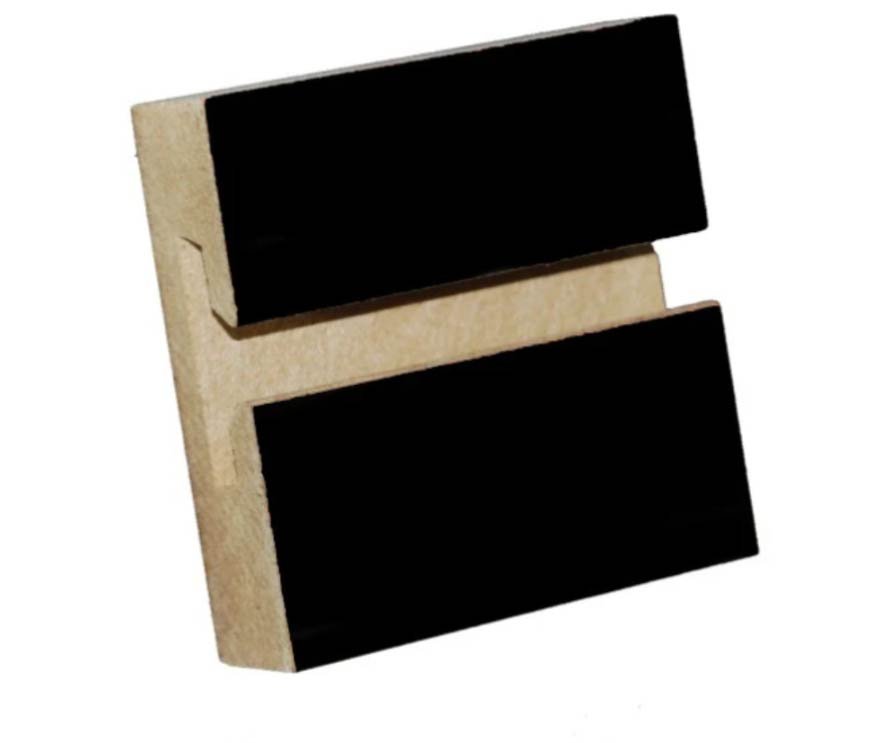
Vertical displays enable stores with open floor space to efficiently use wall height while remaining comfortable. The shelf arrangement and wall-mounted panel are more pertinent to stores having an extensive product range.
Store fixtures such as Slatwall panels are used to hold hooks, bins, and adjustable shelves, which allows retailers to arrange both small packaged products and larger ones in an orderly and aesthetically balanced manner.
One of the best qualities of vertical merchandising is eye-level placement. Goods placed at eye level will be noticed more, which can directly affect the buying decision.
Stores can increase the number of display spaces without making the space look cluttered by expanding upwards. This enhances product presence, provides stronger category differentiation, and keeps aisles clear, making customers more comfortable navigating the whole store.
2. Display Cases and Counters: Incorporate Security, Clarity, and Attractiveness
Open shelving cannot be a consistent solution for high-value or delicate products. Showcases, glass counters, and walled areas ensure merchandise is displayed safely while remaining accessible. Clear cases allow customers to see inside the product without fear of damage or tampering, particularly with electronics, accessories, collectibles, and specialty items.
There are also counter functions and visual functions of counters. Checkout counters can be designed to maintain item organization while providing space for quick-grab products that can prompt impulse purchases. In the meantime, single display units or tower displays can be used to highlight featured products or new products. These fittings make the store look more organized and create focal points that are bound to attract customers. Displaying products in a clean, well-lit case makes them look more valuable and helps customers feel more at ease as they explore them.
These display solutions are also useful to establish a relaxed and structured shopping experience, as the customers are able to view products without being pressured and overwhelmed. The stores will be able to enhance customer trust and increase the desire to deal with pieces featured more consciously by displaying them in a clean, safe environment.
3. Freestanding Shelving: Establish Flow and Facilitate Flexibility
Freestanding units, commonly known as gondola shelving, are indispensable in most retail settings due to their versatility. These fixtures can be placed at any point on the floor, allowing retailers to create a sense of direction in customer flow by providing clear, intuitive routes.
Freestanding units have two sides for display and therefore provide adequate space to stock a variety of products; hence, they are used in stores that carry a variety of products. Quick changes can also be made to these fixtures. The shelves, baskets, and accessory brackets can be adjusted to accommodate various product sizes, allowing retailers to focus on seasonal products or sales collections without having to reorganize severely.
Freestanding fixtures, when strategically positioned, can influence customers to flow naturally between areas, increasing the time they spend browsing and helping them discover more products across categories.
4. Strategic Placement: Checkout Counters and Corners
One of the most valuable display areas is end-caps, which are the ends of the shelving aisles, since they attract attention in many directions. When stores stock promotional or seasonal products on end-caps, customers can easily see them before they even enter the conventional aisles.
Likewise, impulse buying behavior is affected by point-of-sale displays near checkout counters. Waiting customers tend to look at small, practical things within reach. A clear counter display will encourage quick decision-making and keep the checkout area tidy.
The stores increase the visibility of their products by installing fixtures in inherently appealing locations, like checkout counters and corners, which ensures that the shopping process is effortless to follow. Customers love their straightforward layouts that require little effort to navigate, and retailers gain greater interactivity and higher sales.
Final Thoughts
Optimal store fixtures are not only those that support products, but also those that determine the overall customer experience. The combination of shelves, display cases, wall systems, and freestanding units will provide an environment that is welcoming, well-organized, and easy to navigate. Customers can navigate the store freely, explore merchandise without effort, and make buying decisions with ease.
The strategic placement, the flexibility of the layouts, and the visual integration of the designs are applied to make the store appear modern and appealing to the customers. By using fixtures as an instrument to meet presentation and customer experience objectives, retailers can develop spaces that drive sales and make shoppers return, window-shop, and have a pleasant experience every time they visit.