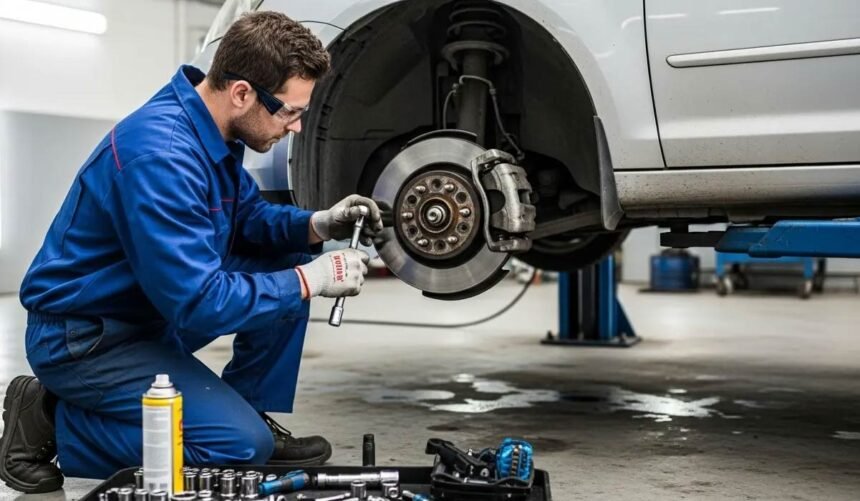
Your car’s braking system is one of the most important safety components you rely on every day. Whether you’re driving across town or on the highway, your brakes ensure that you can stop quickly, safely, and predictably. Unfortunately, many drivers overlook early signs of brake wear often until it becomes a major, expensive issue.
In this article, we’ll discuss the most common signs that your vehicle needs brake repair, what to expect during the repair process, and why choosing a professional shop like Blue Ridge Automotive can help ensure both safety and long-term value for your vehicle.
Understanding How Your Brake System Works
To recognize when something isn’t right, it helps to know the basics of how your brake system functions. Most modern cars use disc brakes, which rely on brake pads that clamp down on a metal disc (called a rotor) to create friction and slow your vehicle. The pressure that activates your brakes comes from hydraulic fluid inside your brake lines, controlled by the master cylinder when you press the pedal.
Over time, heat, friction, and wear naturally degrade these parts. Pads become thinner, rotors can warp or groove, and brake fluid may absorb moisture reducing its effectiveness. That’s why timely inspection and maintenance are crucial to keeping your vehicle safe and performing smoothly.
Warning Signs That You Might Need Brake Repair
Recognizing early symptoms can save you from costly repairs and unsafe driving conditions. Here are some of the most common indicators that your brakes need attention:
Unusual Noises While Braking
If you hear a high-pitched squeal, it often means your brake pads are worn down and the wear indicator is contacting the rotor. A grinding noise is even more serious; it usually means the pads are completely worn and metal is rubbing against metal. At that point, you’ll need not only new pads but likely new rotors as well.
Brake Pedal Feels Soft or Spongy
When your brake pedal feels softer than usual or sinks toward the floor, there might be air in your brake lines or a leak in the hydraulic system. Either way, your vehicle’s ability to stop efficiently is compromised and requires immediate inspection.
Vibration or Shaking When Braking
A vibrating brake pedal or steering wheel during braking is often a sign of warped rotors. This can happen due to overheating or uneven wear. While not always dangerous at first, it can reduce braking performance over time.
Dashboard Brake Warning Light
Modern vehicles include sensors that monitor brake performance. If your brake or ABS light illuminates on the dashboard, don’t ignore it. It could be something minor like low brake fluid, or it could point to a more serious system malfunction.
Pulling to One Side
If your car drifts or pulls to one side when you brake, it can indicate uneven brake pad wear, a stuck caliper, or an imbalance in hydraulic pressure. A qualified technician can pinpoint the cause and make the necessary repairs.
Burning Smell After Hard Braking
A sharp, chemical-like odor coming from your wheels could mean your brakes are overheating. In severe cases, it can lead to brake fade and a temporary loss of braking power. Always let your brakes cool before continuing to drive.
What to Expect During a Professional Brake Repair
Once you notice a potential problem and bring your vehicle to a trusted repair shop like Blue Ridge Automotive, the process typically follows several important steps:
Step 1: Thorough Inspection
Technicians will inspect your brake pads, rotors, calipers, fluid, and lines. They’ll measure wear levels and check for damage, leaks, or corrosion.
Step 2: Detailed Estimate
After identifying the issue, you’ll receive a clear explanation and estimate. Professional shops prioritize transparency. You should understand what needs to be fixed and why.
Step 3: Repair and Replacement
Depending on the issue, this may include:
- Replacing worn pads or shoes
- Resurfacing or replacing rotors
- Cleaning and lubricating calipers
- Flushing and refilling brake fluid
- Bleeding the system to remove air
Step 4: Testing and Quality Check
Once the repair is complete, your brakes are tested for performance and safety. This ensures everything works properly before you drive away.
Step 5: Maintenance Recommendations
Reputable shops provide maintenance advice like when to schedule your next check or how to prevent premature wear.
Why Regular Brake Maintenance Is Worth It
Preventive maintenance isn’t just about safety it’s also about long-term savings. Neglecting small issues can lead to major failures that cost hundreds or even thousands more to fix later. Regular inspections and maintenance help you:
- Extend the life of your brake components
- Improve overall vehicle performance
- Maintain fuel efficiency by reducing drag
- Increase safety for you and your passengers
Additionally, well-maintained brakes can help retain your vehicle’s resale value. When potential buyers or inspectors see a full history of timely brake care, it signals that the car was properly maintained.
How to Choose the Right Brake Repair Shop
Not all auto repair shops are created equal. When it comes to something as important as your brakes, you want to make sure the job is done right the first time. Look for:
- Certified Technicians: ASE-certified mechanics with experience in brake systems.
- Transparency: A shop that clearly explains your options and pricing.
- Warranty: Reputable shops often offer a warranty on parts and labor.
- Positive Reviews: Check online reviews to ensure the shop has a good reputation.
- Personalized Service: Local, customer-focused service often makes all the difference.
Blue Ridge Automotive checks all these boxes, offering reliable and affordable auto services backed by expert technicians who prioritize your safety.
Frequently Asked Questions (FAQs)
Q: How often should I get my brakes inspected?
A: Experts recommend checking your brakes every 10,000 to 15,000 miles or during regular oil changes. However, if you notice any warning signs, don’t wait to schedule an inspection right away.
Q: How long do brake pads typically last?
A: Most pads last between 30,000 and 70,000 miles, depending on your driving habits, vehicle type, and conditions.
Q: Is it dangerous to drive with squeaky brakes?
A: While some squeaks can be harmless, they often indicate pad wear or debris between components. It’s best to get them checked to prevent rotor damage.
Q: What’s included in a standard brake repair service?
A: Typical services include replacing brake pads, resurfacing or replacing rotors, cleaning components, refilling brake fluid, and testing for proper function.
Q: Why do my brakes vibrate when stopping?
A: This often means your rotors are warped or uneven. A professional can resurface or replace them to restore smooth braking.
Q: How can I make my brakes last longer?
A: Avoid hard braking, don’t overload your vehicle, and get regular maintenance. Smooth driving extends the life of your entire braking system.
Conclusion
Your brakes are essential for your safety and like any vital system, they require regular care and attention. Ignoring early warning signs can quickly turn a simple pad replacement into a major repair.
By choosing a trusted service provider like Blue Ridge Automotive, you ensure that every part of your brake system receives expert attention, from diagnosis to final test. Don’t wait for your brakes to fail, stay proactive, stay safe, and keep your vehicle running smoothly for years to come.
About Blue Ridge Automotive
Blue Ridge Automotive is a trusted full-service auto repair shop dedicated to providing honest, professional, and reliable vehicle maintenance and repair. Whether you need a simple brake inspection or a complete brake system overhaul, their team ensures your vehicle is safe and performing at its best. With a commitment to quality workmanship and transparent pricing, Blue Ridge Automotive has become a go-to destination for drivers seeking dependable service and lasting results.
Visit Blue Ridge Automotive today to schedule your brake inspection and experience the difference that professional care makes.
Business Name: Blue Ridge Automotive
Address: 3190 Roswell Rd NW Atlanta, GA 30305
Phone number: 404-266-1699