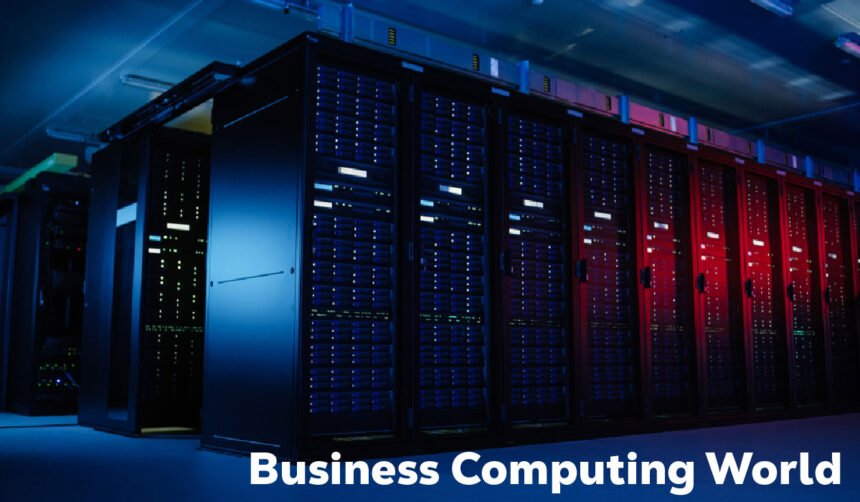
In today’s data-driven era, the term “business computing world” isn’t just a trendy phrase—it represents the foundation of how modern enterprises operate, grow, and compete. Businesses across every industry now depend on digital tools, computing platforms, and intelligent systems to drive their success. From small family-owned shops using cloud point-of-sale systems to multinational corporations managing operations through enterprise software, the integration of computing in business is absolute. This growing reliance on technology has created a constantly evolving ecosystem where data, software, hardware, and strategy intersect. Known as the business computing world, this space is vital not just for tech companies but for every organization aiming to remain competitive. This article will explore what the business computing world truly means, how it has evolved, what benefits and challenges it brings, and why professionals, students, and business owners must understand it to thrive in the digital economy.
What Is the Business Computing World?
The business computing world is the collective domain where computing technology is applied to solve business challenges, optimize operations, and fuel growth. At its core, it is the intersection of IT infrastructure, software applications, analytics, artificial intelligence, automation, cybersecurity, and cloud platforms—all tailored to serve business needs. It involves using digital tools not just to record transactions but to interpret data, manage customer relationships, forecast trends, and make strategic decisions. From networks that connect remote teams to AI systems that predict customer behavior, the business computing world is everywhere. It supports decision-making, enhances productivity, reduces costs, and creates new opportunities for innovation. This world encompasses everything from simple accounting systems to sophisticated machine learning algorithms used in global operations.
Real-World Examples That Bring It to Life
To fully grasp the business computing world, look no further than its real-world applications. A small business might use a CRM like Zoho to track customer engagement and a cloud payroll system like Gusto to manage staff payments, reducing paperwork and human error. Meanwhile, a large company like Unilever may rely on SAP ERP to manage its supply chain, automate inventory restocking, and integrate its HR systems across countries. Business Intelligence (BI) dashboards like Microsoft Power BI allow executives to visualize sales trends, customer behavior, and operational bottlenecks in real time. AI tools help predict when equipment might fail in a factory, or recommend personalized content on a streaming service. These examples show that business computing isn’t just about IT departments—it’s a strategic asset used across marketing, finance, HR, and operations.
Evolution of Business Computing – From Desktops to AI
Business computing has undergone dramatic transformation over the decades. In the 1960s through the 1990s, computing in business meant using mainframe computers for payroll, finance, and basic data entry. These were bulky, expensive systems used primarily by large corporations. The 2000s introduced internet connectivity and the rise of ERP and CRM software, making enterprise resource planning and customer management easier and more data-driven. In the 2010s, cloud computing and mobile applications began to dominate, enabling businesses to scale quickly and access their systems from anywhere. SaaS platforms like Salesforce and QuickBooks became household names. The 2020s are now defined by artificial intelligence, automation, edge computing, and hybrid cloud infrastructures. Business Computing World Magazine has documented this shift, especially the growing influence of AI in transforming industries like healthcare, logistics, and finance. This evolution is ongoing, and those who stay informed will be best positioned to lead.
Why Business Computing Matters in 2025
As we move further into 2025, the business computing world is more crucial than ever. The ability to automate tasks, reduce human error, and optimize workflows directly impacts productivity and profitability. Whether it’s using AI for customer support chatbots or automating invoice processing through digital tools, companies save both time and money. Real-time analytics powered by cloud systems provide managers with insights that used to take weeks to compile. These insights allow for faster, more confident decision-making. In today’s hyper-competitive environment, small firms can use the same tools as large ones, leveling the playing field. By leveraging cloud software, e-commerce platforms, and remote collaboration tools, startups can scale quickly, reach global audiences, and operate with minimal overhead. That’s why business computing isn’t just a luxury—it’s a requirement for survival and growth in the modern marketplace.
Key Components of the Business Computing World
| Component | Description | Examples |
|---|---|---|
| Cloud Computing | Scalable access to software, data, and infrastructure | AWS, Azure, Google Cloud |
| Cybersecurity | Measures to protect data, networks, and systems | MFA, antivirus, firewalls |
| AI & Automation | Smart tools that mimic human tasks and decisions | Chatbots, predictive analytics |
| Big Data & BI | Turning large datasets into insights and action | Power BI, Tableau, Snowflake |
| Enterprise Software | Core systems to manage business functions | SAP, Salesforce, Oracle ERP |
These components form the backbone of every modern company. They allow businesses to run smarter, protect their assets, and keep up with fast-changing customer expectations.
Business Computing for Small and Medium Enterprises (SMEs)
Small and medium enterprises are often the fastest adopters of business computing tools because they aren’t slowed down by legacy systems or bureaucratic red tape. SMEs benefit from cloud-based solutions that require little setup and offer flexibility, cost-efficiency, and scalability. Platforms like Shopify help small retailers build online stores, while accounting software like Xero simplifies financial reporting. Tools like Stripe streamline payments, and Zoho CRM tracks leads and conversions. One standout example is a UK-based clothing boutique that transitioned to eCommerce during the pandemic using Shopify, integrated QuickBooks for accounting, and leveraged email automation tools like Mailchimp. In less than six months, the business saw a 70% increase in revenue—all by embracing the business computing world.
The Role of Business Computing in Education and Careers
Business computing is not just for companies—it’s also a valuable academic and career path. Degree programs in business computing combine knowledge of technology with business strategy, teaching students how to design systems that solve practical problems. Graduates gain expertise in project management, systems analysis, data visualization, cybersecurity, and software implementation. The job market is rich with roles such as IT consultant, business analyst, project manager, and data scientist. Unlike pure computer science, which focuses on developing new algorithms or software, business computing emphasizes applying existing tools to business needs. This makes it ideal for students who want a tech career but also want to understand how businesses run. The versatility and demand for such skills ensure a high employment rate and a wide range of industries to choose from.
Understanding Business Computing World Fees and Investments
While technology offers many benefits, businesses must also consider the costs associated with the business computing world. These include software subscription fees, hardware upgrades, cloud storage, cybersecurity tools, and training for employees. However, these costs should be seen as investments. For example, automating invoice processing might cost £50/month but could save 20 hours of manual work. Over time, the return on investment (ROI) becomes clear. On the academic side, students pursuing business computing degrees also face tuition and material fees, but the career prospects often justify the upfront expense. In both cases, the long-term value outweighs the short-term cost.
Key Trends in the Business Computing World for 2025
| Trend | Impact on Business |
|---|---|
| Artificial Intelligence | Enables smarter automation and insights |
| Cybersecurity Evolution | Emphasizes zero-trust and proactive threat detection |
| Edge Computing | Boosts performance with real-time local data processing |
| Sustainable IT | Reduces carbon footprint with energy-efficient systems |
| Hybrid Work Tools | Supports remote collaboration through cloud infrastructure |
These trends show that the business computing world is not static—it’s dynamic and increasingly focused on agility, sustainability, and intelligent systems.
Case Studies: Business Computing in Action
In retail, predictive analytics tools like Google Cloud’s AI can forecast demand, reducing overstock and shortages. A logistics company may use route optimization software to save fuel, lower delivery times, and enhance customer satisfaction. For example, FedEx leverages AI-powered platforms to predict package delays and reroute shipments in real-time. In the HR sector, startups now use cloud-based recruitment platforms integrated with AI to screen CVs, schedule interviews, and assess candidate fit. These case studies show that the business computing world is not abstract—it’s practical and transformative.
Trusted Sources and Media in the Business Computing World
Staying informed is critical in this fast-evolving domain. Leading publications such as Business Computing World (UK), Business Review Magazine, TechRadar Pro, and Forbes Technology Council provide news, trends, and expert commentary. These media outlets not only highlight the latest innovations but also raise important questions about data ethics, digital inclusion, and AI transparency. For SMEs and professionals alike, following these sources ensures you stay ahead of the curve.
Benefits of Business Computing for Modern Companies
The advantages of adopting business computing tools are vast. Businesses experience faster operations due to automation, smarter decision-making through real-time data insights, and stronger security through modern cybersecurity frameworks. Each department benefits: finance can automate reconciliations, sales can track customer journeys through CRMs, and HR can use analytics to improve hiring and retention. In essence, business computing transforms companies into intelligent enterprises that are agile, resilient, and customer-focused.
Challenges and Risks in Business Computing
Despite the benefits, the path to digital transformation isn’t always smooth. Many businesses face challenges like a lack of skilled workers, evolving cybersecurity threats, resistance to change, and integration issues with legacy systems. These challenges require proactive solutions: training programs, regular security audits, leadership support for change, and API-friendly platforms that simplify integration. Businesses that embrace these hurdles as learning opportunities often come out stronger and more competitive.
Future Outlook – What Lies Ahead?
Looking forward, the business computing world will continue to evolve rapidly. AI will become embedded in every system, from HR to logistics. Decentralized cloud infrastructures will blend with edge computing to offer greater speed and reliability. Automation will no longer just streamline processes—it will guide decisions. Governments and regulators will also focus more on ethical AI use and data privacy. Companies that align with these trends will lead the pack in innovation, customer satisfaction, and profitability.
A Step-by-Step Guide to Integrating Business Computing in Your Company
-
Assess Business Needs – Identify current inefficiencies or gaps.
-
Choose Purposeful Tools – Select cloud, ERP, or analytics solutions aligned with your goals.
-
Train Staff – Ensure employees are confident in using new systems.
-
Implement Thoughtfully – Use change management strategies to reduce resistance.
-
Track KPIs and ROI – Monitor the impact of digital tools on business outcomes.
-
Scale and Automate – As you grow, add more advanced tools like AI and predictive analytics.
Community and Collaboration in the Business Computing World
The business computing world is powered by more than just code—it’s powered by people. Events like Edge Computing World Europe, Cloud Computing World Expo, and SME Tech Forums offer networking, insights, and collaboration. Online communities on Reddit (e.g., r/sysadmin) and LinkedIn groups enable professionals to exchange tips, troubleshoot problems, and stay current. Business Computing World’s own digital platform features industry commentary and white papers, helping foster a community of continuous learning and innovation.
Business Computing for Students, Startups, and CIOs
Students can build foundational skills through business computing degrees that teach both coding and strategic thinking. Startups can use digital-first models and cloud-native tools to scale quickly with minimal overhead. CIOs and IT leaders must focus on aligning IT with business goals, championing digital transformation, and staying ahead of emerging technologies. No matter your role, the business computing world has tools, communities, and opportunities for growth.
Conclusion
The business computing world is no longer just a concept—it is the operational reality of 21st-century commerce. Whether you’re running a small business, building a startup, managing an enterprise, or exploring a new career path, understanding how technology integrates with business is essential. With smart tools, informed strategies, and a willingness to innovate, you can navigate this digital landscape with confidence. From AI and automation to cybersecurity and cloud platforms, every part of your business can benefit from embracing the business computing world.
FAQs
1. What is the business computing world?
The business computing world refers to all the technologies, tools, and digital systems that businesses use to run their operations. This includes software, cloud services, data analytics, cybersecurity tools, automation, artificial intelligence, and enterprise applications that help companies work faster, smarter, and more efficiently.
2. Why is the business computing world important for companies today?
The business computing world is important because it helps companies save time, reduce errors, improve decision‑making, and stay competitive. With digital tools, businesses can automate tasks, analyze data in real time, protect their information, and deliver better customer experiences.
3. How does computing help small and medium businesses?
Computing helps small and medium businesses by giving them affordable tools like cloud software, online payment systems, and CRM platforms. These tools help SMEs manage sales, automate work, track customers, run online stores, and compete with much larger companies.
4. What careers can you get with a business computing background?
A business computing background can lead to careers such as IT consultant, data analyst, project manager, software support specialist, systems analyst, and cybersecurity associate. These roles are in high demand because businesses depend on digital systems to operate smoothly.
5. What are the biggest trends shaping the business computing world?
The biggest trends shaping the business computing world include artificial intelligence, cloud computing, cybersecurity improvements, automation, edge computing, hybrid work tools, and sustainable IT solutions. These technologies are helping businesses work faster, safer, and more efficiently.
You may also read: Luton Outlaws: The Untold Power Behind Luton’s Football Culture