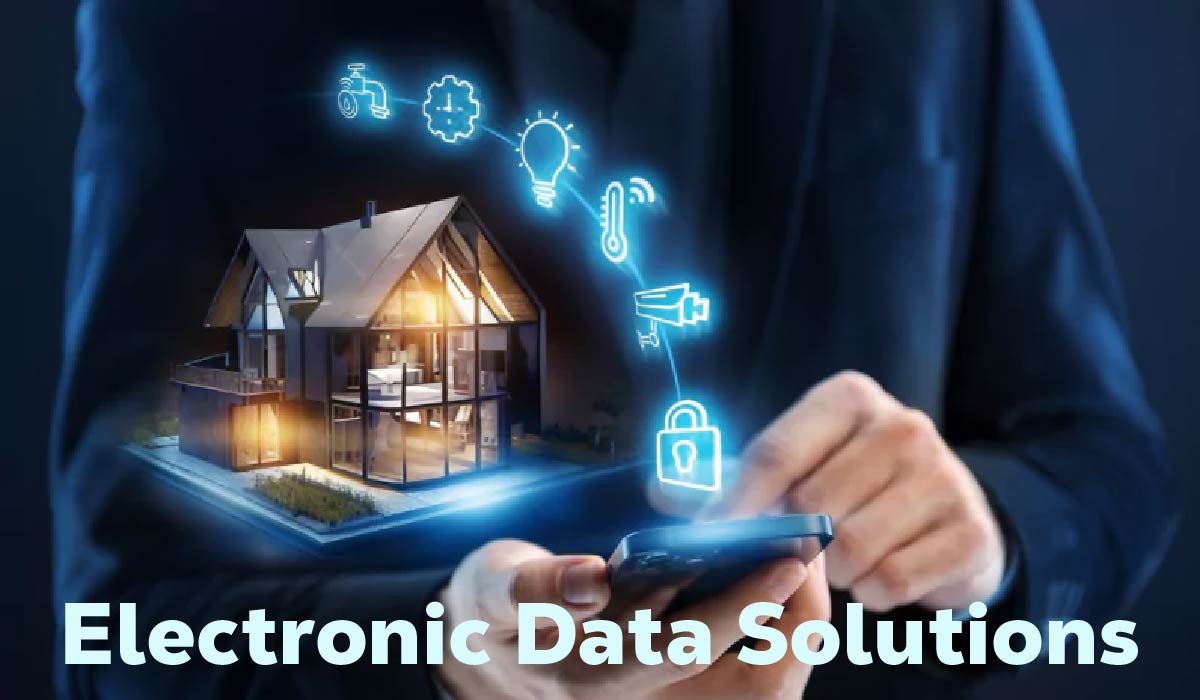
What Are Electronic Data Solutions?
Electronic Data Solutions are integrated systems designed to electronically capture, transfer, and manage information from physical devices and instruments directly into digital platforms like cloud storage, enterprise databases, or specialized software. Instead of relying on manual entry, printouts, or spreadsheets, these systems automate the entire data flow—improving accuracy, reducing risk, and speeding up operations across industries. Whether it’s a laboratory spectrometer, a warehouse sensor, or a hospital device, the role of Electronic Data Solutions is to create a seamless bridge between real-world instruments and digital decision-making environments. This makes them not just helpful, but essential, especially in a world driven by precision, speed, and compliance.
Why Electronic Data Is the Lifeblood of Modern Industries
Today, information is considered one of the most valuable business assets. From healthcare and finance to manufacturing and logistics, organizations are generating more data than ever before. However, many of these data streams remain fragmented, locked in outdated systems, or depend on error-prone manual entry. In the era of Industry 4.0 and digital transformation, businesses cannot afford to treat data as a secondary priority. Electronic Data Solutions solve this problem by making information automatically available, structured, and secure—ensuring it flows efficiently between machines, departments, and software platforms. The result is more accurate analysis, faster decision-making, and a stronger competitive edge in the digital economy.
Defining Electronic Data Solutions
At their core, Electronic Data Solutions are a combination of three key components that work together to digitize and streamline information management. First are the data capture devices, such as laboratory instruments, meters, sensors, or scanners, that collect physical or digital measurements. Second, the data transfer technologies—such as USB, Ethernet, Wi-Fi, Bluetooth, or IoT—serve as the communication channels that move information from the device to a central system. Finally, there is the custom software interface that formats, validates, stores, and integrates the captured data into enterprise platforms like ERP systems, CRMs, or specialized dashboards. This triad forms a reliable, scalable ecosystem that turns raw input into actionable insight.
How Electronic Data Solutions Work in Practice
The real power of Electronic Data Solutions becomes clear when we trace how data moves through a typical system. Let’s take an example from an industrial lab. A digital balance measures a sample’s weight and records the reading internally. Rather than printing the result or asking an operator to transcribe it, the system uses a Bluetooth or USB link to send the reading to a centralized computer. Custom software then timestamps the record, applies validation rules to ensure accuracy, and formats it according to the lab’s needs. This data is then logged into a Laboratory Information Management System (LIMS) or an ERP system. What used to take minutes or hours now happens in seconds—with full traceability and no manual error.
Customization – The Heart of a Successful Solution
One of the most valuable features of Electronic Data Solutions is its adaptability. Different industries and even departments within the same organization have unique data formats, equipment types, and reporting standards. For example, a pharmaceutical company must comply with FDA data integrity requirements, while a logistics firm prioritizes real-time inventory tracking. That’s why top providers, such as Martel Instruments, offer customizable solutions that can integrate with legacy hardware, output in preferred file formats (CSV, XML, PDF), and support features like automated backups or audit trails. These tailored solutions not only improve efficiency but also protect the client’s existing investments in infrastructure by avoiding the need for a complete system overhaul.
Benefits of Electronic Data Solutions
The advantages of Electronic Data Solutions are far-reaching and impact almost every aspect of business operations. First, they eliminate transcription errors by allowing data to flow directly from the source to the system without manual handling. This drastically improves reliability and accuracy, which is critical in sectors like healthcare and environmental monitoring. Second, automation reduces repetitive administrative tasks, freeing up staff to focus on high-value activities. This improves both productivity and morale. Third, regulatory compliance becomes simpler. With audit-ready logs, encrypted storage, and user authentication, businesses can meet ISO, GLP, HIPAA, and other standards without extra effort. Moreover, Electronic Data Solutions scales easily, allowing companies to expand operations without worrying about data overload. Finally, these systems enable deep integration across the tech stack, linking LIMS, ERPs, CRMs, and cloud analytics platforms into a unified ecosystem.
Industry Use Cases
Electronic Data Solutions are already revolutionizing workflows across many industries. In laboratories, instruments like balances and pH meters send data directly to LIMS, removing the need for handwritten logs and increasing scientific reproducibility. In manufacturing, sensors collect data on machine performance, feeding it into dashboards that help predict maintenance needs and prevent costly downtime. Hospitals use Electronic Data Solution to capture vital signs and diagnostics from medical devices and store them in Electronic Health Records (EHRs), improving patient care and safety. Environmental agencies rely on remote data loggers to monitor water quality, air pollution, and other variables in real time. In logistics, barcode readers, GPS modules, and RFID sensors provide instant visibility into inventory and shipments—streamlining supply chains and reducing delays.
The Role of Innovators Like Martel Instruments
Companies like Martel Instruments are at the forefront of the Electronic Data Solution movement. They combine robust hardware with intuitive software to create flexible systems that can function in laboratories, warehouses, and even remote field environments. What sets Martel apart is their ability to design hardware and software that work together seamlessly, bridging the gap between old and new technologies. Their solutions allow legacy instruments to send data digitally, convert it into usable formats, and push it to cloud systems or local networks without disrupting existing workflows. This approach not only supports modernization but also ensures that organizations maintain compliance, data integrity, and operational consistency.
Key Challenges in Implementation
Despite their clear benefits, Electronic Data Solutions are not plug-and-play. Successful deployment requires thoughtful planning. One major challenge is compatibility—older instruments may not support digital output, and existing enterprise software may not be ready to receive new data streams. Another key consideration is cybersecurity. As more devices connect digitally, businesses must implement encryption, access control, and multi-factor authentication to prevent data breaches. Training and user adoption are also crucial. Employees must understand how to use the new system efficiently. Lastly, organizations must ensure the system meets industry-specific regulations. This often involves validating the software, documenting workflows, and undergoing audits. Overcoming these challenges requires collaboration between IT, operations, and compliance teams.
Future Trends in Electronic Data Solutions
The next evolution of Electronic Data Solutions will be shaped by cutting-edge technologies. Artificial Intelligence (AI) will play a major role in analyzing incoming data and predicting trends, transforming systems from reactive to proactive. Edge computing—processing data at the source rather than a central server—will improve response times and reduce bandwidth demands, especially in remote locations. The explosion of IoT devices means more instruments and machines will become smart data nodes, contributing to a richer, more dynamic data environment. Blockchain may also become a standard feature, offering immutable records that are ideal for industries requiring high traceability, like clinical trials. Finally, the drive for sustainability will push companies toward paperless operations, with electronic records replacing printed logs and forms.
Best Practices for EDS Implementation
To get the most out of Electronic Data Solutions, organizations should begin with a clear understanding of their current data flow. Conducting a data audit helps identify gaps, redundancies, and opportunities for automation. Choose scalable technology that can adapt as your operation grows. Avoid replacing entire systems—focus instead on integrating new tools with existing platforms. Ensure early training for staff to avoid adoption resistance and build confidence in the new workflow. Most importantly, maintain a focus on compliance. Use validated software, encrypt sensitive information, and follow sector-specific standards for data integrity. These best practices not only ensure a smooth rollout but also maximize long-term value.
Why Electronic Data Solutions Are Essential for Future-Proofing
Businesses that rely on outdated or manual data practices are at risk of falling behind in an increasingly digital world. Electronic Data Solution are not just a nice-to-have—they’re a strategic investment. They support real-time decision-making, streamline compliance, enhance transparency, and lay the foundation for AI and automation. As data volumes grow and operational demands increase, these solutions provide the scalability and reliability required to thrive in competitive markets. From small labs to global enterprises, those who embrace Electronic Data Solutions position themselves for success in the coming decade.
Conclusion
Electronic Data Solutions are transforming the way we manage, share, and utilize information. By connecting devices, automating workflows, and enabling real-time analytics, they empower organizations to make faster, smarter decisions. These systems eliminate the friction between physical instruments and digital intelligence, offering reliability, efficiency, and compliance in one unified framework. As new technologies like AI, IoT, and blockchain become mainstream, Electronic Data Solutions will only grow in importance. Companies that act now—by integrating flexible, scalable, and secure systems—will lead the future of smart data management and stand out in the data-driven world of tomorrow.
(FAQs)
What are electronic data solutions?
Electronic data solutions are systems that automatically collect, transfer, and manage data from devices like sensors, machines, or lab instruments to digital platforms such as cloud storage, ERP software, or databases. They replace manual data entry with smart, fast, and accurate automation.
How do electronic data solutions work?
Electronic data solutions work by using three main parts: devices that capture data, technologies like USB or Wi-Fi to send the data, and custom software to format and store it. This system helps move information from tools directly into digital systems without human error.
Why are electronic data solutions important?
Electronic data solutions are important because they reduce mistakes, save time, and improve how businesses work. They help industries follow safety rules, make better decisions faster, and connect different systems into one smart data flow.
Which industries use electronic data solutions?
Many industries use electronic data solutions, including laboratories, manufacturing, healthcare, logistics, and environmental monitoring. These systems help each sector collect and manage data accurately and in real time.
Can electronic data solutions connect with old machines?
Yes, electronic data solutions can connect with old or legacy machines. With the right custom interface and software, older instruments can still send data to modern systems without needing full upgrades.
You May Also Read: Emarand: The Powerful Innovation Brand Transforming Business Growth
For More Information, Visit Dotmagazine