

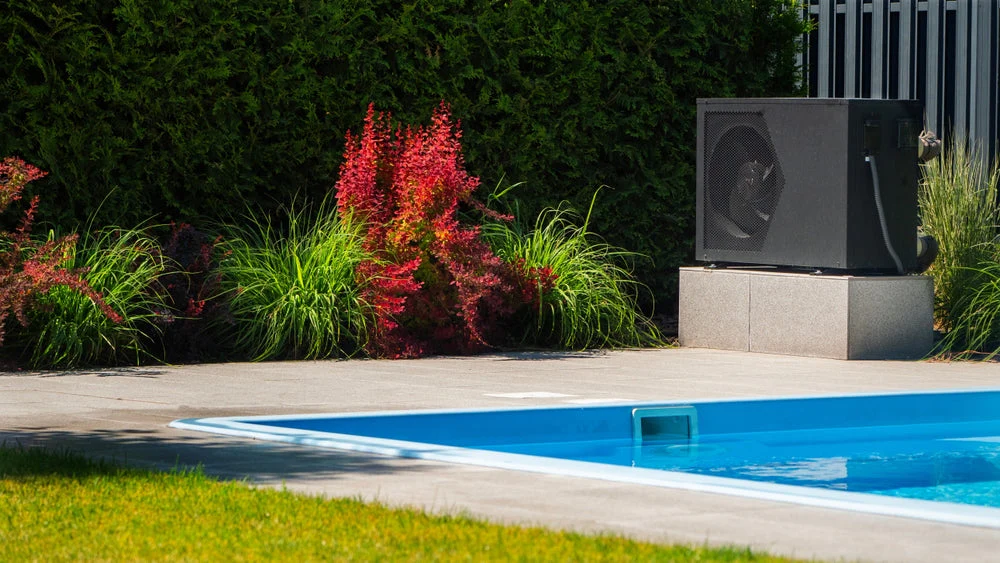
New heat pumps owners panic around week six. The electricity bill arrives. They see the heating costs. Regret floods in.
“Did I make a mistake? Should I have gone solar instead?”
Then month three hits. They’ve been swimming consistently in perfect 27-degree water regardless of weather. Their solar-owning neighbours haven’t swum in three weeks because of cloudy weather. The regret evaporates completely.
Let me show you why initial sticker shock doesn’t tell the real story.
The First Bill Shock
Nobody warns you properly about the first full month of heat pump operation. You’re bringing your pool from 18 degrees up to 27 degrees. That initial heat-up burns serious electricity.
A Joondalup family installed their heat pump in May. First electricity bill showed heating costs around $220. They freaked out, convinced they’d made an expensive mistake. Nearly rang us demanding explanations.
Second month: $105. Third month: $95. Why? Because maintaining temperature costs a fraction of achieving it initially. Once your pool reaches target warmth, the heat pump just tops it up rather than rebuilding from scratch.
Most regret happens during that first shocking bill before owners understand the difference between heating up versus maintaining.
The Solar Comparison Nobody Mentions
Solar advocates love comparing zero running costs against heat pump electricity bills. Sounds damning until you track actual swimming frequency.
We surveyed 50 Perth customers last winter. Solar owners averaged 12 swims through June-July-August. Heat pump owners averaged 38 swims same period.
Cost per swim tells the real story. Solar might be “free” but if you’re barely using your pool, that’s expensive non-swimming. Heat pump owners pay for electricity but actually enjoy their pools consistently.
A Mandurah customer calculated it brutally. His mate’s solar cost zero to run but the pool sat at 21 degrees most of winter. Maybe 15 total swims. His heat pump cost roughly $280 for the three coldest months but delivered 40-plus swims. Cost per use: solar was actually more expensive despite zero electricity bills.
The Weather Independence Factor
Three overcast days kills solar heating performance. Heat pumps don’t care whether it’s sunny, cloudy, or drizzling.
This matters enormously for families with kids in winter sports. Saturday morning footy, Saturday arvo recovery swim. That pattern requires reliable heating regardless of weekend weather. Solar might deliver, might not. Heat pumps deliver guaranteed.
A Balcatta family hosts regular weekend gatherings. They need certainty their pool will be warm enough for guests. Solar couldn’t provide that confidence during unpredictable Perth winter weather. Heat pumps eliminated the guessing game entirely.
The Roof Space Economics
Here’s what solar installers won’t mention: your north-facing roof space is valuable real estate.
Solar pool heating panels occupy 30-40 square metres of prime roof. That same space could host solar electricity panels generating rebates and slashing your entire home’s power bills year-round, not just when pools need warming.
A Canning Vale property calculated it properly. Solar pool heating would save maybe $800 annually in heating costs. Solar electricity panels on that same roof space would save $1,200 annually across their entire home while generating feed-in credits. Heat pump for the pool, solar electricity for the house made better financial sense.
The Speed Nobody Appreciates Until They Need It
Friday night you decide Sunday’s perfect for a pool party. Your water’s sitting at 22 degrees after a cool week.
Solar heating needs three sunny days minimum for meaningful temperature increase. You’re gambling on weekend weather. Heat pumps raise temperature overnight. Set it Friday evening, swim Sunday morning regardless of Saturday’s weather.
That convenience seems minor until you’re actually hosting and solar hasn’t delivered the warmth you needed.
The Maintenance Reality
Heat pumps need annual servicing. Roughly $150-200 for professional maintenance. Solar needs occasional panel cleaning and eventual controller replacement.
Neither system is maintenance-free. Both need attention. The difference is heat pumps make their service requirements obvious while solar maintenance often gets neglected until performance degrades noticeably.
Your pool chlorinator already requires regular attention for water chemistry. Adding heat pump maintenance to your annual pool care schedule isn’t dramatic.
The Resale Consideration
Prospective buyers view heat pumps as reliable year-round pool heating. Solar gets questions about roof condition, panel age, and winter performance.
Real estate agents consistently report heat-pumped pools attract more interest than solar-heated pools in Perth market. Buyers want guaranteed warm swimming, not weather-dependent heating that might work well.
The Honest Assessment
Heat pumps cost money to run. That’s not a flaw – it’s the trade-off for reliable performance regardless of conditions.
If you swim year-round and want consistent temperature without checking weather forecasts first, heat pumps deliver exactly that. The electricity costs are the price of convenience and reliability.
Solar suits different needs brilliantly. Seasonal swimmers with perfect roof conditions get outstanding value from zero running costs.
Match the heating system to your actual usage patterns, not theoretical ideals about “free” energy.
The Three-Month Test
Don’t judge heat pump economics on your first bill. Track three full months of operation. Calculate cost per actual swim. Compare that against how often you’d realistically swim with weather-dependent heating.
Most Perth families discover heat pumps deliver better value per use despite higher running costs, simply because they actually use their pools consistently.
Get proper assessment before choosing any heating system. What works brilliantly for your neighbour might be wrong for your swimming patterns and property setup.
Visit poolheatingsolutionswa.com.au for honest comparison of all heating options matched to your specific situation.
Stop choosing based on theoretical running costs. Choose based on actual swimming frequency you’ll achieve.