Introduction
Hitaar is more than just a traditional Japanese art form; it is a living expression of Japanese identity, blending history, spirituality, wellness, and artistic performance into one profound cultural tapestry. Unlike more globally recognized practices such as tea ceremonies or Kabuki theater, Hitaar has remained largely under the radar outside Japan. Yet for those who understand its depth, Hitaar represents a harmonious balance of movement, meditation, community ritual, and symbolic storytelling. It is not merely performance art, but a holistic cultural experience that bridges ancient rituals with modern-day well-being practices.
This article explores Hitaar from every angle—its origins, symbolism, role in wellness, global evolution, and modern artistic integrations—providing an in-depth understanding of why this tradition deserves to be celebrated on the world stage.
The Cultural and Philosophical Meaning of Hitaar
Hitaar symbolizes much more than a performance; it represents unity, harmony, and the interconnectedness of society. At its core, Hitaar is about community and shared purpose. Performers often work in synchrony, highlighting the Japanese principle of social cohesion and mutual respect. Moreover, Hitaar draws heavily from nature—its gestures mimic the wind, water, and seasonal rhythms—creating a meditative flow that aligns the internal spirit with the outer world. The practice becomes a bridge between sacred spirituality and the mundane aspects of life, embedding deep meaning in every movement.
Core Values Embedded in Hitaar
The principles underpinning Hitaar are closely aligned with Japanese values such as respect for ancestors, aesthetic simplicity (known as wabi-sabi), and ritual mindfulness. Each motion is deliberate, slow, and reverent, echoing the rhythm of prayer. Costumes, music, and gestures are not chosen for entertainment but to reflect a deeper philosophical message. Through these values, Hitaar becomes not just a performance but a form of living cultural preservation. Practitioners learn discipline, humility, and interconnectedness with their surroundings through every rehearsal and performance.
Historical Roots and Origins of Hitaar
Hitaar finds its roots in ancient Japan, believed to have originated from early Shinto shrine rituals and Buddhist ceremonial dances. In its earliest form, it was performed to honor seasonal changes and invoke blessings from nature spirits (kami). Over time, it was adopted by rural communities who adapted it to local festivals, creating region-specific styles. These village performances were often interwoven with agricultural cycles and spiritual offerings, cementing Hitaar’s role as both a celebration and a form of divine communication. Its oral tradition and apprenticeship system allowed it to evolve organically, while maintaining a consistent core identity across generations.
Evolution Through Japanese Eras
As Japanese society transitioned through the Heian, Edo, and Meiji periods, Hitaar adapted with it. During the Heian era, it was refined into more courtly performances, while in the Edo period, it gained theatrical flair influenced by traveling performers and puppetry. In the Meiji era, when Westernization swept through Japan, many traditional arts, including Hitaar, experienced a decline. However, it persisted in rural areas, quietly surviving through local community events and rituals. The 20th and 21st centuries brought a revival of interest, especially as wellness culture and heritage tourism grew in popularity.
The Art and Performance of Hitaar
Hitaar performances are known for their meticulous choreography and emotionally resonant gestures. Each movement is slow and purposeful, often drawing from nature-inspired symbolism. Posture, eye movement, and hand positioning are all integral to conveying emotion and story. In many ways, Hitaar can be likened to a minimalist theater that relies more on suggestion than spectacle. Unlike the dramatic flair of Kabuki or the abstraction of Noh, Hitaar achieves its emotional depth through simplicity and grace.
Music, Costume, and Visual Language
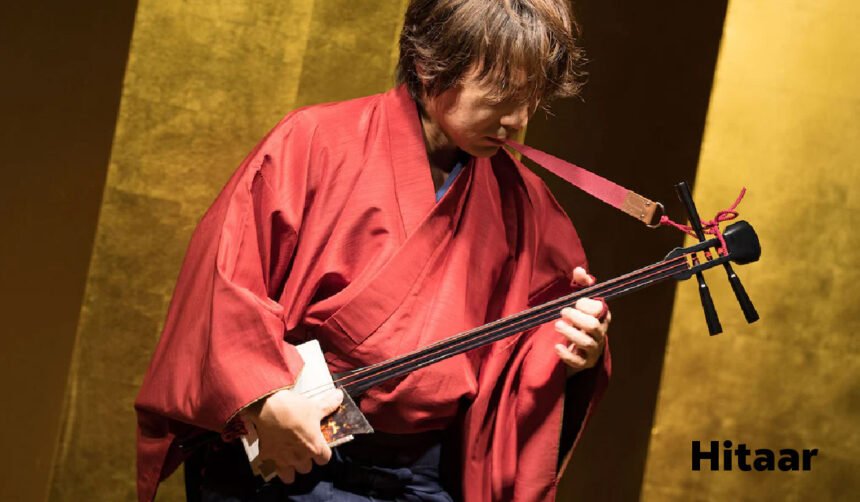
The auditory and visual components of Hitaar are equally symbolic. Traditional instruments such as the shamisen (a three-stringed instrument), taiko drums, and shakuhachi (bamboo flute) create a sonic environment that echoes nature. Costumes are usually hand-dyed, adorned with motifs like cranes, waves, or cherry blossoms, each representing longevity, resilience, or beauty. Color choices are never random—white denotes purity, red symbolizes life force, and gold represents divine connection. Everything the audience sees or hears is part of a carefully constructed narrative.
Audience Participation and Setting
Hitaar is often performed in open-air temples or specially prepared ceremonial spaces, with the audience forming a circle around the performers. This arrangement eliminates hierarchy and creates a communal atmosphere where everyone shares the energy of the moment. In rural areas, entire communities participate—not just as viewers but as singers, musicians, or caretakers of the sacred props. Ritual offerings may be made before or after the performance, and audiences are encouraged to maintain a meditative silence or engage in call-and-response chants, depending on the tradition.
Symbolism and Rituals in Hitaar
Every Hitaar performance is steeped in symbolism. Movements may imitate the flow of a river, the sway of trees, or the cycle of seasons. These gestures are more than aesthetic—they reflect the belief that nature and humanity are in constant dialogue. Rituals often include incense burning, food offerings, and purification ceremonies before the event. These acts are seen as a way to cleanse the space and connect with ancestral spirits. Stage layouts may follow sacred geometrical patterns believed to channel spiritual energy, and musical transitions often align with shifts in the narrative or emotional tone.
Spiritual and Religious Overtones
While not overtly religious, Hitaar is deeply spiritual. The practice stems from a worldview where the physical and spiritual coexist seamlessly. Ritualistic elements such as bowing, hand-clapping, and chanting mirror Shinto ceremonies, while meditative postures and chants have Buddhist influence. The practice serves as a form of devotion and an offering to unseen forces, making it both a public performance and a personal act of reverence. This spiritual foundation grants Hitaar a timeless quality that resonates beyond language or cultural boundaries.
Hitaar as a Path to Wellness and Personal Growth
In recent decades, Hitaar has been embraced not just as a cultural performance but as a wellness discipline. Its slow, intentional movements encourage mindfulness, while breath control techniques stabilize emotions and improve concentration. Much like yoga or tai chi, Hitaar requires internal focus and bodily awareness. Practitioners often describe a meditative state that allows for emotional release and clarity. These qualities make Hitaar increasingly popular among those seeking mental and physical harmony in a stressful modern world.
Emotional and Psychological Benefits
Beyond the physical, Hitaar offers profound psychological benefits. The ritualized nature of the practice helps reduce anxiety by providing structure and predictability. The communal aspect fosters social support and belonging, crucial for emotional well-being. For those dealing with grief, trauma, or stress, the symbolic gestures provide a non-verbal outlet for expression and healing. Practicing Hitaar becomes a form of therapy that integrates body, mind, and spirit into a harmonious whole.
Global Spread and Modern Rebirth of Hitaar
Today, Hitaar is experiencing a global renaissance. Thanks to social media and international cultural festivals, more people are becoming aware of its beauty and depth. Workshops are now held across Europe, North America, and Southeast Asia, often taught by Japanese masters or certified instructors. These global events blend traditional teachings with local adaptations, helping Hitaar evolve while staying true to its roots. It is increasingly seen as a cultural export akin to sushi, origami, or Zen meditation.
Role of Social Media and Global Interest
Platforms like TikTok, Instagram, and YouTube have played a pivotal role in Hitaar’s modern revival. Performers share short clips, tutorials, and behind-the-scenes stories that make the art form accessible to younger audiences. Viral challenges based on Hitaar-inspired movements have introduced it to people who might never attend a formal performance. This digital exposure is creating a new generation of global practitioners and admirers who carry the tradition forward in new and exciting ways.
Hitaar in Modern Art, Fashion, and Media
Hitaar’s influence has extended into contemporary art, fashion, and media. Designers incorporate its aesthetic into high fashion collections—embroidered motifs, flowing silhouettes, and traditional dyeing techniques are now runway staples. Visual artists reinterpret Hi taar movements through abstract installations and digital projections in museums. In music videos, anime, and cinema, subtle nods to Hitaar choreography or music serve as cultural easter eggs that enrich modern storytelling.
Challenges and Controversies Facing Hitaar
Despite its resurgence, Hitaar faces challenges. Some traditionalists argue that modern adaptations dilute its essence, reducing a sacred practice to aesthetic performance. Others worry about cultural appropriation as non-Japanese artists interpret it without sufficient context. These controversies have sparked debates about authenticity, ownership, and the responsibilities of cultural exchange. There’s an ongoing need to balance innovation with preservation to maintain the integrity of this ancient art.
Passing Down Hitaar: Teaching and Preservation
Intergenerational teaching remains the backbone of Hitaar’s preservation. Elders pass down techniques and philosophies through oral instruction and demonstration, often within families or tight-knit communities. Government bodies and cultural institutions in Japan have also stepped in, offering grants, school programs, and heritage festivals. Online academies and video archives have emerged, ensuring accessibility for global learners while maintaining pedagogical rigor.
The Future of Hitaar: Innovation Rooted in Tradition
Looking ahead, Hitaar is poised for even greater innovation. Augmented reality and projection mapping are being explored to enhance stage experiences. VR is used to simulate sacred rituals for educational purposes. There’s also a strong push toward sustainability—eco-conscious costumes, zero-waste stage setups, and nature-based rituals are becoming standard. These modern touches don’t undermine Hitaar’s roots; instead, they expand its relevance for future generations.
Conclusion
Hitaar stands as a testament to Japan’s enduring wisdom—an art form that merges movement, meditation, community, and storytelling into a holistic cultural experience. It is both ancient and adaptive, rooted in tradition but always evolving. As global interest in mindful living and cultural authenticity grows, Hitaar offers a blueprint for how we might live, create, and connect more deeply. Whether viewed as a spiritual ritual, a healing practice, or a performance art, Hi taar continues to resonate as a cultural beacon for those seeking beauty, meaning, and balance in their lives.
FAQs
Q1: What is Hitaar in Japanese culture?
A: Hitaar is a traditional Japanese practice that combines music, movement, spirituality, and storytelling. It is performed to promote harmony, community, and connection with nature and ancestors.
Q2: What is the purpose of Hitaar performances?
A: Hitaar performances aim to express emotions, honor cultural traditions, and connect people through meaningful rituals. They often reflect themes like unity, balance, and respect for nature.
Q3: Is Hitaar a dance or a spiritual practice?
A: Hitaar is both a dance and a spiritual ritual. It uses slow, symbolic movements to tell stories and honor sacred traditions, making it a powerful blend of art and meditation.
Q4: Can anyone learn and practice Hitaar?
A: Yes, anyone can learn Hitaar through workshops, online classes, or cultural programs. It is taught by experienced practitioners and welcomes learners from all backgrounds.
Q5: Why is Hitaar important today?
A: Hitaar is important because it preserves ancient wisdom and promotes wellness, mindfulness, and cultural connection. In today’s busy world, it offers peace, purpose, and personal growth.
You May Read Also: Ztec100 com Review: Smart Health & Insurance Platform You Can Trust