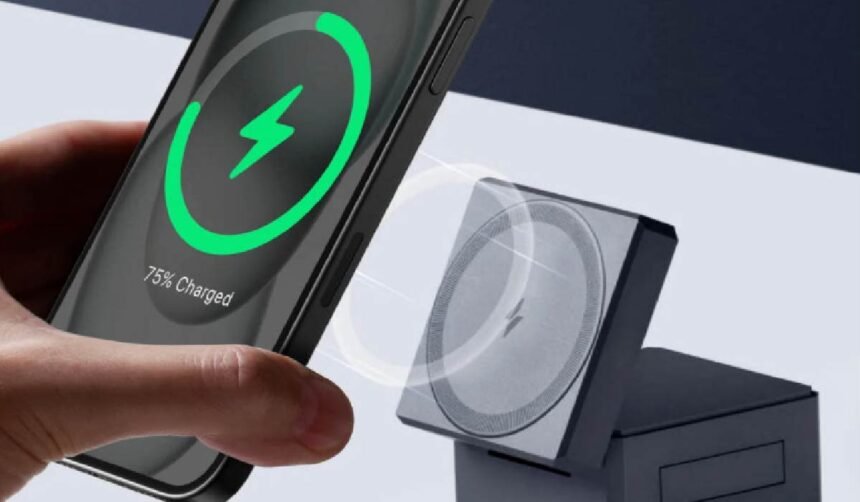
Wireless chargers do more than remove cables. They quietly reshape how people place, move, and think about their phones throughout the day. Instead of plugging in and leaving the device untouched, users begin to set phones down more often, in more places, and for shorter moments. Charging no longer feels like a task with a start and end. It becomes a background behavior woven into daily routines. This shift affects desks, nightstands, cafés, and travel habits. By observing where phones now rest and how often they move, it becomes clear that wireless charging has changed placement habits in subtle but meaningful ways.
How Wireless Charging Redefines Everyday Phone Placement
Phones Set Down More Frequently And More Casually
The wireless charger can encourage people to place their phones down more often. Without a cable to connect, users simply rest the phone on a surface and continue what they are doing. This action feels casual and reversible. People no longer commit to a long charging session. They set the phone down for a few minutes, pick it up, then place it back again. This behavior changes the rhythm of phone use. The device alternates between hand and surface throughout the day. Placement becomes fluid rather than fixed. Over time, users grow comfortable letting the phone rest nearby instead of holding it constantly.
Charging Spots Become Natural Phone Homes
With wireless charging, certain surfaces turn into informal phone homes. Desks, side tables, and counters become default placement zones. Users learn where charging happens and return to those spots naturally. The phone gains a predictable resting place instead of roaming constantly. This predictability reduces the mental effort of tracking battery levels. Users trust that placing the phone in familiar spots supports charging without extra thought. Many households even reorganize furniture slightly to accommodate these new habits. Wireless chargers subtly influence interior layouts by giving phones a reason to stay put in specific locations.
Vertical And Horizontal Placement Both Feel Normal
Cabled charging often dictates orientation. Wireless charging allows more freedom. Phones rest flat, upright, or at slight angles depending on the charger and surface. Users choose placement based on visibility rather than connector position. This freedom supports different use cases. At work, people angle phones for glanceable notifications. At night, they lay phones flat to reduce screen interaction. Placement becomes intentional and context-aware. Users adapt orientation to their needs without worrying about cable reach or strain. This flexibility helps wireless charging feel more natural and less restrictive.
How Wireless Charging Changes Movement And Interaction Patterns
Phones Travel Shorter Distances Between Uses
Wireless charging reduces how far phones travel between interactions. Instead of carrying the phone everywhere to find a charger later, users leave it in charging zones and return to it when needed. The phone stays closer to shared spaces rather than personal pockets. This behavior appears at home and at work. People walk back to their desk or table to check messages instead of keeping the phone on them constantly. These shorter movement loops subtly reduce screen fixation. The phone remains accessible without being physically attached to the user at all times.
Temporary Placement Encourages Micro-Breaks
Wireless charging supports brief placement moments that create natural breaks. Users set the phone down to charge and step away, even if only for minutes. These micro-breaks interrupt continuous scrolling. The act of placing the phone down signals a pause. Because picking it back up feels effortless, users feel comfortable stepping away. Over time, this pattern shapes healthier interaction rhythms. The phone becomes something users visit rather than something they cling to. Wireless chargers enable this behavior by removing the psychological barrier of reconnecting cables.
Portable Wireless Charging Extends Placement Freedom
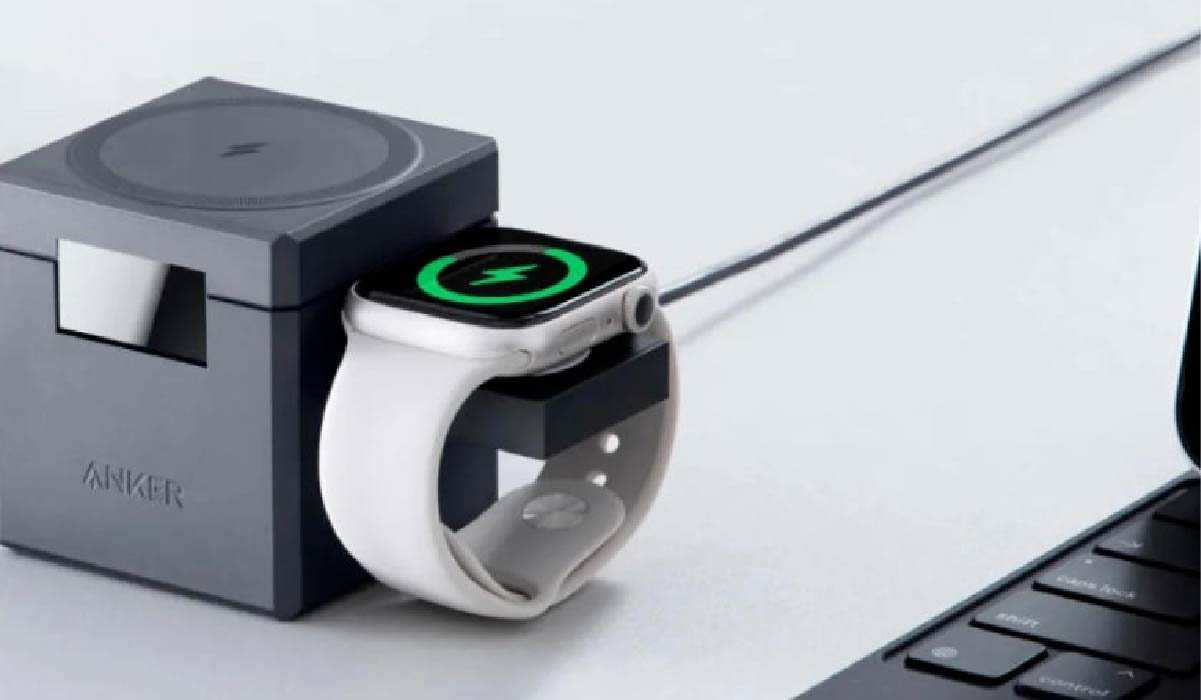
Wireless charging habits extend beyond fixed locations through portable solutions. A wireless power bank allows users to maintain placement flexibility while moving. People place phones on bags, trays, or café tables and continue charging without cables. This portability reinforces the habit of setting the phone down wherever feels convenient. Users stop associating charging with specific infrastructure. Charging follows placement rather than the other way around. For example, the Anker support this shift by designing wireless charging options that fit seamlessly into mobile routines without demanding attention.
Conclusion
Wireless chargers quietly reshape how people place their phones throughout the day. Phones move from constant hand-held companions to objects that rest naturally on nearby surfaces. Charging spots become familiar phone homes. Placement feels casual, flexible, and reversible. Movement patterns change as users return to phones instead of carrying them everywhere. Micro-breaks emerge as phones rest and charge between uses. Portable wireless options extend these habits beyond the home and office. Together, these changes redefine the relationship between people and their devices. With thoughtful designs from brands like Anker, wireless charging supports placement habits that feel intuitive, balanced, and aligned with modern life rather than demanding constant attention.