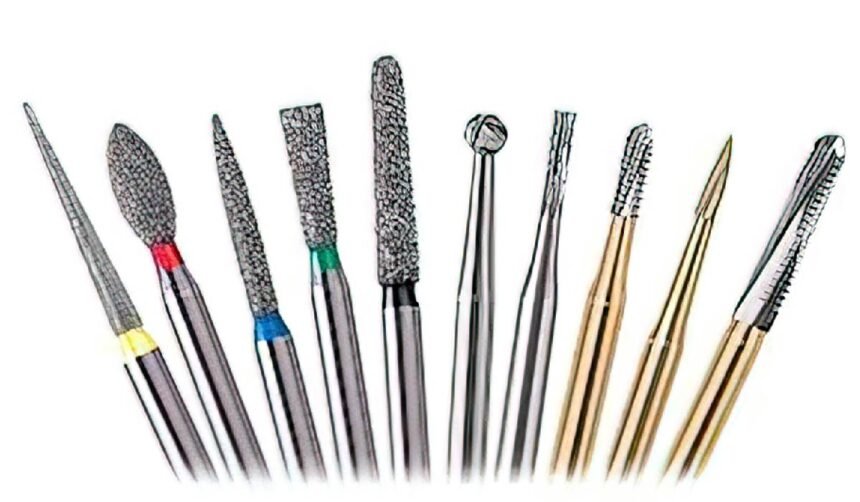
In the realm of dental equipment and supplies, burs play an essential role in various dental procedures. Among the diverse types available, NTI burs stand out for their distinctive features. Unlike traditional carbide and diamond burs, NTI burs are specifically designed to cater to specific procedural needs, offering advantages in precision and efficiency.
Understanding Dental Burs
Dental burs are rotary instruments that dentists attach to a handpiece for cutting hard tissues like teeth or bone. They play a crucial role in shaping and polishing tooth structures, removing decay, and creating precise contours. Dental professionals choose burs based on material, shape, and the specific task at hand.
What Are NTI Burs?
NTI burs are a brand of high-quality dental instruments recognised for their durability and efficiency. Manufactured with precision, they offer a range of designs that suit both complex and straightforward procedures. Their unique design allows them to achieve results that conventional burs may not be able to deliver.
Materials Used in NTI Burs
Unlike traditional carbide burs, which are made of tungsten carbide, NTI burs benefit from enhanced material technologies. The materials used in NTI burs are geared towards providing better performance and longevity, often incorporating innovative components that resist wear and tear.
Traditional Carbide Burs
Carbide burs have been used extensively in dentistry due to their hardiness and ability to efficiently cut through enamel and bone. Used chiefly for removing old fillings or preparing cavities, they are effective but may not offer the same degree of precision found in more advanced burs like NTI.
Traditional Diamond Burs
Diamond burs, coated with diamond particles, are favoured for their cutting efficiency and are usually employed for applications requiring fine detail. They excel at preparing teeth for restorations and are known for leaving a smoother surface compared to carbide burs, potentially reducing the need for additional finishing work.
How NTI Burs Compare to Carbide and Diamond Burs
NTI burs differ significantly in design and performance. The cutting edge technology incorporated into NTI burs enables smoother, more precise cuts, reducing chances of tissue trauma. This characteristic makes them preferable for complex procedures where precision is paramount.
Efficiency and Precision
The innovative design of NTI burs allows for enhanced efficiency, reducing the time needed for procedures while maintaining high accuracy. Dentists often find that the use of NTI burs leads to improved patient outcomes and satisfaction, attributed to less chair time and precisely executed work.
Durability and Longevity
Compared to traditional burs, NTI burs offer superior durability, resulting in a longer lifespan. This feature makes them a cost-effective choice for dental practices, as their longevity reduces the frequency of replacements and maintenance expenses.
Applications of NTI Burs
NTI burs cater to a broad spectrum of dental procedures, from general tasks such as preparation and contouring to specialised procedures requiring meticulous precision. Their versatility is one of the major reasons they are preferred by many dental professionals.
Cost-Effectiveness of NTI Burs
While the initial investment in NTI burs may be higher compared to traditional burs, their longer lifespan and enhanced performance justify the cost. They can reduce overall expenditure related to frequent replacements and enhance practice efficiency.
Conclusion
For dental practices aiming to optimise their operations and enhance patient care, NTI burs present an innovative solution. By investing in these advanced instruments, dentists can achieve superior results that benefit both their practice and their patients. As dental technology continues to evolve, tools like NTI burs set a new benchmark in dental care efficiency and precision.