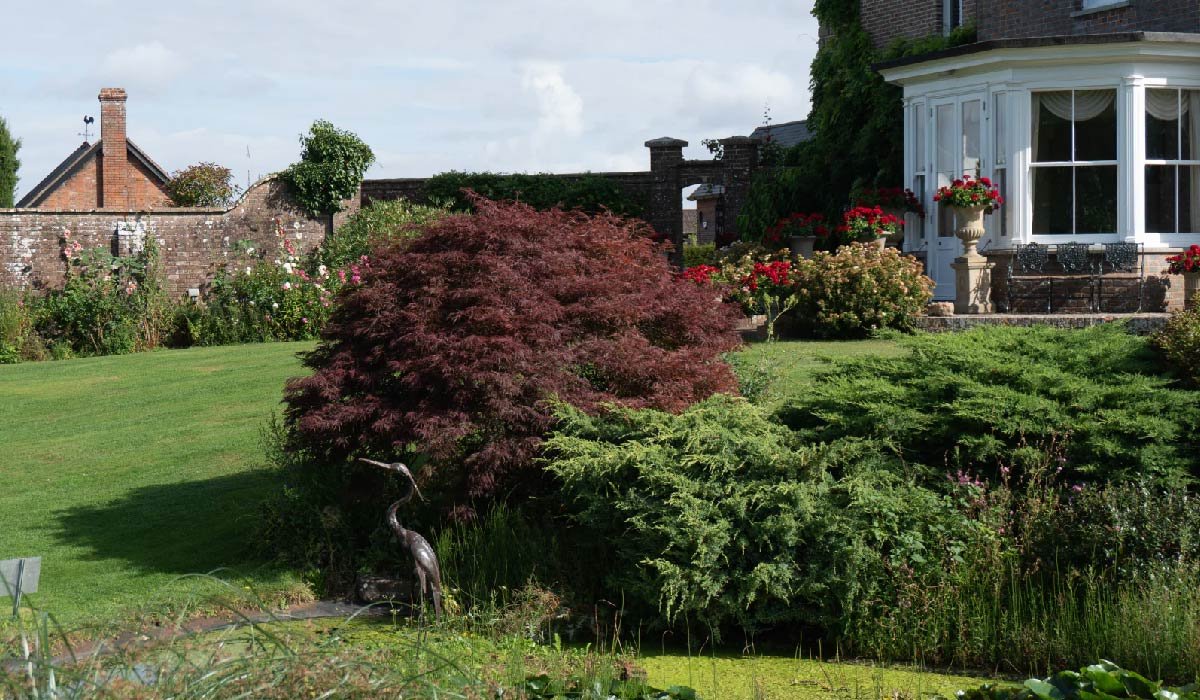
A garden is so much more than just a place to unwind—it can also be a hidden asset increasing your home’s value significantly.
However, in the United Kingdom, gardens tend to struggle with wet winters, patchy lawns, and high-maintenance borders. That’s why it’s important to overcome those challenges, for that can completely transform the outdoor area from an okay into a standout feature.
Here’s how an eco-friendly garden design can boost your home’s appeal for potential buyers if you ever consider selling.
Introduce Native Plants
Choosing native plants is a simple yet efficient way to make the place not only more beautiful but also low-maintenance.
Local plants are perfectly adapted to Britain’s climate, which means they need less watering, fewer chemicals, and less ongoing care, saving you both time and money.
Consider options like foxglove, yarrow, or hawthorn, which not only bring colour and texture to your garden but also attract pollinators such as bees and butterflies.
By incorporating native species, your garden becomes beautiful all year-round with the added bonus of also supporting local wildlife. This can be a definite bonus for anyone interested in buying the property.
The Garden’s Layout
A green haven that’s spacious, organised, and inviting can boost curb appeal and transform the way you view your entire home. With some thoughtful planning, you can make the most of every corner, turning overlooked areas into functional and enjoyable spaces.
Consider dividing the garden into purpose-driven sections, such as a quiet seating area, a vegetable or herb corner, and an open space for activities or entertaining. This approach turns the garden into a purposeful outdoor space while remaining flexible for different uses.
Paths and walkways play a subtle but important role in shaping how the garden is explored as well. Simple materials like gravel, stone, or timber help define routes, guide movement, and connect areas in a natural and seamless way.
Moreover, borders, whether created with low walls, wooden edging, or carefully grouped plants, give structure and make the garden feel complete while adding depth and texture.
It’s also a great idea to incorporate height and layering through raised beds, terraces, or varied planting to create visual interest and a sense of flow.
You can also make use of small features such as seating nooks, planters, or ornamental elements, which will make the garden feel more personal and lived-in.
Composting and Organic Gardening
To make your garden thrive while also reducing your environmental impact, you can use these exact two methods.
Composting transforms everyday kitchen scraps and garden waste into nutrient-rich soil that helps plants thrive naturally.
By setting up a compost bin in a sunny spot and turning it regularly, you can break down fruit and vegetable peelings, coffee grounds, grass clippings, and other organic matter into fertile compost.
This not only improves your soil’s quality but also reduces household waste, making your garden more sustainable.
It goes without saying that organic gardening goes hand in hand with composting, as it nurtures plants using natural methods rather than chemical fertilisers or pesticides.
For example, using eco-friendly treatments like neem oil, encouraging beneficial insects, and companion planting helps plants grow stronger.
Gardens maintained this way are healthier, more vibrant, and easier to care for, which is highly attractive to all buyers, not just those who value eco-friendly spaces.
Sustainable Features
Simple eco-friendly upgrades can create a garden that is both practical and visually appealing.
For example, rainwater harvesting is a smart way to make the most of natural resources. By installing a rain barrel under a downspout, you can collect water from your roof to use during dry spells.
A barrel with a tap makes watering your plants easy and convenient, reducing your reliance on municipal water, cutting costs, and thus keeping your garden thriving.
Solar-powered lights are another simple and effective addition. They soak up energy from the sun during the day and illuminate paths, borders, or seating areas at night, creating a warm and inviting atmosphere.
They are easy to install and add a beautiful glow that enhances the garden’s charm after dark.
Incorporating these eco-friendly gardening features makes your garden more efficient, visually appealing, and memorable to visitors, giving your property an edge in resale value.
Biodiversity
A garden that supports birds, bees, and other small creatures not only benefits the environment but also adds natural charm that many buyers find appealing.
Simple additions can make a huge impact. Birdhouses provide safe spots for nesting and shelter, especially when placed in quiet corners away from heavy foot traffic.
Bee hotels, made from wood or hollow bamboo stems, offer pollinators a place to rest and breed, helping nearby plants flourish.
Water is another powerful attractor for wildlife. A small pond, shallow dish, or birdbath will invite anything from birds to frogs, and even beneficial insects.
Even the simplest water source can bring movement and life to the space, creating a calming atmosphere that makes the garden feel more connected to nature.
Maintenance Tips
Regular checks are how you maintain your garden. This includes inspecting plants for signs of stress, pests, or disease early so that small problems don’t become bigger ones.
Also, always clean and sharpen your tools before storage to save time and keep plants healthy.
Focusing on soil health is another simple way to reduce maintenance. Lightly aerate compacted soil and top-dress with organic matter to help water drain properly and encourage strong root growth.
Furthermore, pruning at the right time for each plant type keeps shrubs and hedges in shape, promotes flowering, and prevents overcrowding.
Watering times are quite important, too. Early morning or late evening watering reduces evaporation and protects your greens, while grouping plants with similar needs together makes irrigation simpler and more effective.
Finally, regularly removing debris and fallen leaves helps prevent fungal growth and keeps the garden looking tidy at all times.
Conclusion
A thoughtfully designed garden changes how your entire property is perceived. Buyers increasingly notice well-maintained sustainable gardens, and those details can influence both interest and value.
Your overall gardening design is thus a smart investment in your home’s future appeal and can definitely make your property stand out.
This makes it the perfect time to rethink your garden design with a long-term view in mind, which can make it one of your home’s strongest selling points.
Good luck!