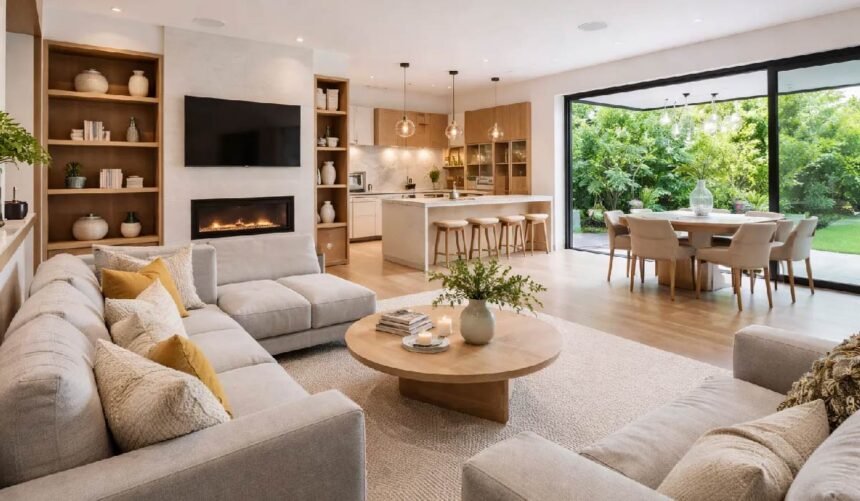
Technology is reshaping how we experience our homes, making seasonal comfort easier and more intuitive than ever. Smart systems like intelligent thermostats and advanced window treatments adapt to changing conditions automatically, creating a home that feels consistently comfortable while using energy more efficiently. Beyond convenience, these innovations elevate everyday living, turning your home into a personalised space where comfort, efficiency, and modern design work seamlessly together.
The Role of Smart Technology in Home Comfort
Smart technology transforms how your home adapts to different seasons, enhancing comfort levels effortlessly. These advancements ensure that whether you’re lounging on a chilly winter day or seeking refuge from a summer heatwave, your living space remains comfortable.
Intelligent Thermostats and Automated Climate Control
Intelligent thermostats are revolutionising how you maintain climate comfort at home. Unlike traditional models, these devices learn your preferences and daily routines, automatically adjusting the temperature to suit your needs. They remove the need for manual adjustments and can detect when you’re home or away, ensuring energy is not wasted unnecessarily.
In addition to learning your habits, smart thermostats often integrate with weather forecasts, allowing them to adjust to changes in outdoor temperatures. This helps maintain consistent indoor comfort while saving energy and lowering utility bills. By using smart scheduling or geofencing technology, these thermostats tailor the climate control in your home to your daily life, providing not just convenience but also efficiency.
Remote Monitoring and Adjustment
Remote monitoring and adjustment offer you unparalleled control over your home’s climate no matter where you are. Whether you’re heading home late or planning a vacation, you can manage your home’s climate through convenient smartphone apps or web interfaces. This flexibility ensures your home is always prepared to welcome you to the ideal environment.
Imagine leaving the office on a cold day and adjusting the heating so it is perfect when you arrive home, or turning systems off remotely if plans change. This feature maintains comfort while contributing to energy conservation and savings on your bills.
Integration with Voice Assistants
Integrating smart technology with voice assistants like Alexa or Google Assistant simplifies the way you interact with your home’s climate control systems. This hands-free approach allows you to make adjustments without pausing your current activities. Whether you’re cooking, relaxing on the couch, or heading out, a simple voice command can set your home to your preferred temperature.
Voice assistants offer an effortless way to control your environment and respond instantly to simple commands. These integrations often extend beyond climate control, allowing you to manage various smart devices and enjoy a more seamless home experience.
Designing for Adaptive Seasonal Living
Creating a home that adapts to the seasons enhances comfort and efficiency throughout the year. Key strategies include flexible spaces, adaptive lighting, and intelligent window solutions.
Flexible Room Layouts for Changing Seasons
When you want to shift from winter cosiness to a cool summer retreat, flexible room layouts become essential. By using lightweight furniture and rolling storage units, you can quickly reconfigure rooms to maximise heating or cooling efficiency. Multipurpose furniture, like fold-out sofas or expandable tables, ensures each room can evolve with the season. Incorporating vibrant textiles or seasonal accessories can easily refresh the look and feel of a space, offering practical yet cosy home styling tips that adapt with the time of year. For a cosy touch during colder months, consider using rugs. They add warmth and style to your living space and can be stored away as temperatures rise.
Dynamic Lighting Solutions
Lighting plays a dual role in seasonal adaptation—setting mood and supporting energy efficiency. During winter, warm lighting can create a welcoming atmosphere, while in the summer, cooler lighting complements natural sunlight. Many homeowners and designers now use tools such as architectural visualisation London services to preview how lighting behaves across seasons before making changes. Dimmable LEDs, smart bulbs, and timers allow custom light levels throughout the year. Positioning fixtures for optimal natural light during the day enhances this effect. Adjusting lighting to seasonal daylight patterns helps maintain both ambience and practical function.
Responsive Window Treatments
Windows are crucial in regulating temperatures inside your home. By applying responsive window treatments, you can manage heat retention and glare efficiently. During winter, insulated curtains or thermal blinds help keep the warmth in while allowing light to filter through on sunny days. In contrast, during the summer, sheer fabrics or smart films can reduce heat gain while maintaining views and natural light. Automated blinds or shades can add convenience by adjusting positions throughout the day to balance temperature and daylight.
Innovative Materials and Eco-Friendly Solutions
New advancements in home design are making seasonal comfort easier to achieve. By incorporating cutting-edge materials and systems, your home can become more efficient and environmentally friendly.
Thermal Insulation and Smart Glass
Imagine a home that feels warm in winter and cool in summer without excessive heating or air conditioning. High-quality thermal insulation plays a crucial role in maintaining your home’s internal temperature. Modern insulation materials like aerogels and vacuum-insulated panels offer better performance compared to traditional options.
Smart glass technology further enhances comfort by adjusting its properties based on sunlight. You can control light and heat entering your space, reducing glare while maintaining a pleasant temperature. This means less reliance on artificial climate control, which could lower your energy bills year-round.
Sustainable Heating and Cooling Systems
Say goodbye to conventional HVAC systems and embrace options that work smarter, not harder. Ground-source heat pumps tap into the consistent temperature of the ground for energy-efficient heating and cooling. In contrast, solar thermal systems utilise sunlight to generate warm air or water, integrating seamlessly with your home’s existing setup.
These systems minimise carbon footprints and energy costs. Some technologies even include smart thermostats, allowing you to control and optimise their performance remotely. This approach combines convenience and sustainability for comfortable living throughout the year.
Energy-Efficient Building Techniques
The structure of your home is as important as what’s inside. Building techniques like airtight construction and passive solar design ensure that your home remains energy-efficient. Airtight construction minimises drafts and prevents heat loss, contributing to stable indoor temperatures.
Passive solar design strategically positions windows, walls, and roofs to maximise natural light and heat gain during cooler months. Combining these techniques creates an inviting atmosphere while reducing dependence on mechanical heating and cooling. These building practices don’t just benefit the environment but also enhance your daily living experience, providing comfort across all seasons.
Enhancing Lifestyle Through Connected Spaces
Transform your living space with the power of technology. Discover how personalised environmental controls can cater to your unique needs and how seamless transitions between indoor and outdoor areas can enhance your daily life.
Personalised Environmental Controls
Imagine a home that knows exactly how to make you comfortable. Smart thermostats and automated lighting systems allow you to customise temperatures and lighting across different rooms with ease. Using your smartphone, you can adjust settings while you’re away, ensuring your home is just the way you like it when you return.
Furthermore, these systems often learn your habits over time. They adapt to your schedule, creating an atmosphere that suits you perfectly, whether you’re waking up, working, or winding down. This level of personalisation not only maximises comfort but also improves energy efficiency, leading to savings on utility bills.
Seamless Indoor-Outdoor Transitions
Blurring the lines between inside and out can transform your living space. Sliding glass doors and bi-fold panels create a natural flow, effortlessly expanding your area for entertaining or relaxing. This design choice invites more natural light into your home and provides easy access to outdoor living spaces like patios and gardens.
Tech innovations such as weather-resistant speakers and outdoor screens make outdoor spaces more functional for entertainment and relaxation. Creating such spaces encourages spending more time outdoors, fostering a lifestyle that balances indoor comforts with the refreshing aspects of nature.
Conclusion
Technology is reshaping home design into something more responsive, efficient, and comfortable year-round. By combining smart systems, adaptive layouts, and energy-conscious materials, modern homes can adjust seamlessly to seasonal changes. The result is a living space that feels intuitive, sustainable, and perfectly aligned with how you live, no matter the time of year.