Introduction
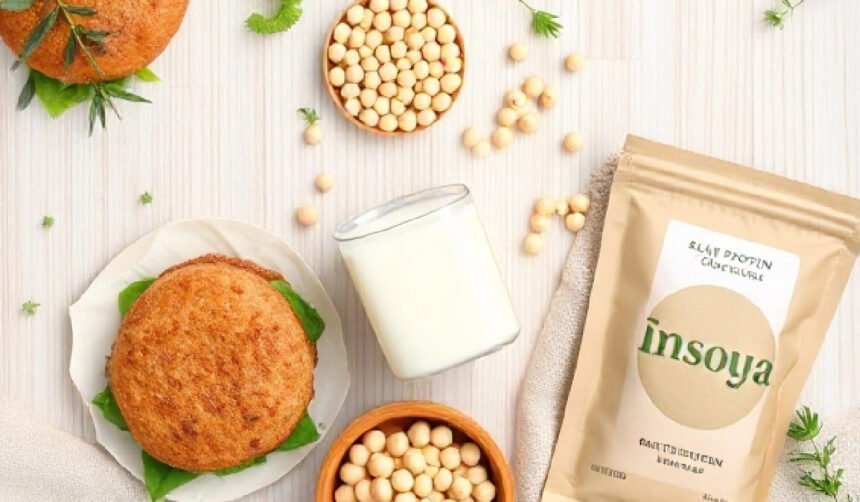
In recent years, the global conversation about food has shifted dramatically toward healthier eating, sustainability, and plant-based living. With climate concerns growing and people becoming more conscious about what they put into their bodies, soy has once again taken center stage as one of the most versatile and nutritious sources of plant protein available. Within this movement, a new concept called Insoya has emerged, symbolizing the next generation of soy-based foods, supplements, and lifestyle innovations.
Insoya is not just another soy product—it is a broad approach that combines modern food technology, sustainability, and holistic health practices into one. From nutrition-packed protein powders to dairy alternatives and even advanced food tech creations, In soya represents the evolution of soy for the modern consumer. In this article, we will explore what Insoya is, its nutritional power, health benefits, sustainability role, challenges, future outlook, and how it fits into global dietary trends.
What is Insoya?
Insoya can best be described as a modernized approach to soy, focusing on innovation, accessibility, and sustainability while keeping nutrition at its core. Unlike traditional soy products such as tofu or soy milk that may require preparation or carry a strong bean flavor, Insoya products are often designed to be more refined, palatable, and easy to use.
The essence of Insoya lies in four key pillars: nutrition, because it delivers complete protein with all essential amino acids; sustainability, since soy requires fewer resources compared to livestock; innovation, with new technologies making soy-based foods tastier and more functional; and accessibility, because In soya aims to offer affordable plant-based options to global communities. More than food, Insoya is also a lifestyle movement, symbolizing mindful eating and living in harmony with the planet.
Historical & Cultural Context of Soy
Soy has a long and rich history, deeply rooted in Asian cultures for thousands of years. In countries like China, Japan, and Korea, soybeans have been dietary staples, consumed in traditional forms such as tofu, miso, soy sauce, tempeh, and natto. These foods were valued not only for their taste but also for their nutritional strength, providing plant-based protein in societies where meat was less accessible. As globalization expanded, soy made its way to the Western world, where it became the foundation for modern meat and dairy alternatives.
The evolution of soy from traditional kitchen staple to Insoya demonstrates how ancient wisdom can meet modern technology. In soya bridges heritage and contemporary needs, showing how a crop that sustained civilizations for centuries can adapt to meet the demands of health-conscious, eco-minded consumers today.
Nutritional Value of Insoya
The nutritional power of Insoya is one of the main reasons it is being hailed as a cornerstone of plant-based diets. In soya products are typically rich in complete protein, meaning they contain all nine essential amino acids required by the human body for muscle repair, energy, and overall wellness. Unlike many plant proteins that are incomplete, soy matches animal proteins like eggs or dairy in quality, making Insoya especially valuable for vegans and vegetarians.
In addition, Insoya contains isoflavones, natural compounds with antioxidant and hormone-balancing properties that may support women’s health during menopause. It is also an excellent source of dietary fiber, which helps digestion, promotes satiety, and supports gut health.
Furthermore, Insoya provides vitamins and minerals such as calcium, magnesium, iron, and B vitamins that are vital for bone health, energy metabolism, and immunity. With its blend of healthy polyunsaturated fats, In soya is also heart-friendly. Compared to animal proteins, In soya offers similar nutrition without cholesterol, excessive saturated fat, or environmental burdens, making it a vital component of sustainable, balanced eating.
Health Benefits of Insoya
The health benefits of Insoya are extensive and backed by years of research on soy. One of the strongest advantages is its role in heart health, as soy protein has been shown to lower LDL cholesterol and improve cardiovascular wellness. In soya also supports hormonal balance, especially for women, thanks to isoflavones that may reduce menopausal symptoms like hot flashes. Its calcium and magnesium content contribute to strong bones and a reduced risk of osteoporosis, particularly important for aging populations.
For those focused on fitness and weight goals, Insoya is ideal for weight management, as it is low in calories but high in protein and fiber, keeping people full for longer and helping prevent overeating. Beyond that, Insoya enhances digestive health with its fiber, supports blood sugar regulation due to its low glycemic index, and may even lower the risk of chronic diseases through its antioxidant and anti-inflammatory compounds. Taken together, these benefits make In soya a well-rounded, science-backed food source for overall wellness.
Insoya in Everyday Diets
One of the greatest strengths of Insoya is its versatility in the modern diet. As a dairy alternative, it powers products like soy milk, soy yogurt, and soy cheese, providing nutrition without lactose for those with intolerances. Insoya is also central to meat alternatives, forming the base for burgers, nuggets, sausages, and other plant-based proteins that mimic the taste and texture of animal meat. Athletes and health enthusiasts turn to Insoya in the form of protein powders and supplements for muscle recovery and endurance.
Traditional soy-based foods like tofu, tempeh, and miso remain part of the In soya movement, but new snack innovations like soy crisps, protein bars, and smoothies make healthy eating more convenient. Insoya also plays a role in cooking and baking, as soy flour and textured soy protein can be used in breads, pastries, and fusion recipes. Its adaptability makes it easy to include in breakfast, lunch, dinner, or snacks, ensuring that everyone can find a form of In soya they enjoy.
Insoya and Sustainability
Sustainability is at the heart of Insoya, making it a critical solution for global food security and environmental concerns. Compared to livestock farming, soy production has a significantly lower carbon footprint, requiring less land and emitting fewer greenhouse gases. It is also far more water-efficient, saving precious resources that are overused in dairy and meat production. Soy farming yields more protein per hectare than animal agriculture, reducing the need for deforestation and land clearing.
As a result, Insoya represents a practical path to feeding a growing population without destroying ecosystems. In addition, many In soya brands emphasize ethical farming practices, including non-GMO seeds and eco-friendly packaging, which align with consumer demand for clean, transparent, and sustainable food systems. By choosing Insoya, individuals directly contribute to a lower-impact food future that is healthier both for people and the planet.
Insoya in Global Food Trends
The rise of Insoya reflects major global food trends that are shaping what we eat. The plant-based boom has accelerated demand for vegan and flexitarian options, with Insoya fitting seamlessly into this lifestyle. At the same time, the popularity of functional foods—products enriched with added vitamins, probiotics, or superfoods—has seen In soya incorporated into high-performance and wellness products.
With consumers increasingly drawn to the clean label movement, Insoya products highlight being natural, minimally processed, and free from unnecessary additives. Another trend is fusion cuisine, with chefs worldwide using Insoya to reinvent dishes that mix traditional flavors with modern nutrition, from Asian soups to Western desserts. Social media platforms like Instagram and TikTok have amplified these trends, with food influencers showcasing creative Insoya recipes that inspire global audiences. These movements show that In soya is not only a food product but also a symbol of modern culture and lifestyle shifts.
Challenges in Adopting Insoya
Despite its benefits, Insoya faces several challenges that can slow wider adoption. One of the most significant is that soy is a common allergen, which prevents some people from enjoying its advantages. Another concern is the prevalence of genetically modified soy, which raises health and environmental debates among consumers who prefer natural, organic options. Some highly processed soy products risk losing nutritional integrity, creating skepticism about whether all In soya items are equally beneficial.
Taste also plays a role, as not everyone enjoys the characteristic soy flavor, leading to demand for innovative recipes that mask or improve it. Cultural resistance is another factor, as dietary traditions are deeply ingrained, and people may be hesitant to replace familiar proteins. Finally, price and accessibility vary by region, with plant-based alternatives sometimes costing more than conventional foods, creating barriers for widespread global adoption.
The Role of Technology in Insoya
Technology is playing a transformative role in shaping the future of Insoya. Fermentation techniques are being used to enhance digestibility and add probiotic benefits, making soy-based foods healthier and easier to absorb. Extrusion technology has enabled the creation of soy-based products with realistic, meat-like textures that appeal to mainstream consumers. Advances in fortification ensure that Insoya products can be enriched with nutrients like vitamin B12, calcium, and vitamin D—nutrients that are sometimes lacking in plant-based diets.
In agriculture, AI and smart farming technologies are improving crop yields, optimizing water use, and reducing the environmental impact of soy farming. Moreover, bioengineering is being explored to minimize allergens and enhance the amino acid profile of soy, making Insoya even more accessible and beneficial. Together, these technological breakthroughs make Insoya not only relevant today but also future-ready.
Cultural Role of Insoya
Soy has always played a unique cultural role, especially across Asia, where it is deeply embedded in traditions and cuisines. What makes In soya culturally powerful is its ability to bridge tradition and modernity. For instance, traditional soy dishes like tofu or miso soup are still celebrated in family kitchens, while new In soya innovations bring these ingredients into plant-based burgers or protein shakes. In many cultures, food is tied to rituals, celebrations, and identity, and In soya shows how these values can evolve without being lost.
Younger generations in particular are adopting Insoya as a symbol of sustainable living, blending respect for their heritage with modern health trends. This cultural flexibility ensures that In soya is not just a nutritional option but also a social and cultural connector that resonates across different communities worldwide.
Practical Tips for Adding Insoya to Your Diet
Incorporating Insoya into your diet can be both simple and enjoyable. For breakfast, consider using soy milk in cereal, blending In soya protein powder into smoothies, or making protein-rich pancakes. For lunch, tofu wraps, tempeh stir-fries, or soy burgers are filling and nutrient-dense. At dinner, textured In soya protein can replace meat in dishes like chili, curry, or fusion rice bowls, providing the same satisfaction with better nutrition.
As for snacks, roasted soy crisps, protein bars, and soy-based smoothies make healthy choices that are easy to grab on the go. Even in baking, In soya flour can be substituted into bread, muffins, or cookies, boosting protein without changing taste significantly. These tips show that adding Insoya to your lifestyle does not require big sacrifices—it simply enhances meals with health, sustainability, and variety.
Future of Insoya
The future of Insoya looks bright as plant-based lifestyles continue to gain traction worldwide. We can expect to see market expansion, with more In soya products filling supermarket shelves and online platforms. The concept of personalized nutrition may also become a reality, with custom In soya supplements tailored to individual health goals and dietary needs. In line with sustainability goals, Insoya brands are also exploring eco-friendly packaging, reducing plastic use, and aligning with zero-waste living.
Additionally, global collaborations among farmers, food tech companies, and policymakers will likely expand access to In soya across regions. Looking further ahead, next-gen applications such as smart foods or AI-driven personalized diets may redefine how we consume Insoya. These developments suggest that In soya is more than a passing trend—it is positioned as a long-term solution for health, environment, and innovation.
Insoya vs Traditional Soy Products
When comparing Insoya to traditional soy products, several differences stand out. Traditional options like tofu, tempeh, and soy milk often require preparation and have distinctive flavors that not everyone enjoys. Insoya products, by contrast, are often designed to be more convenient, with powders, textured protein, and ready-to-use forms that integrate easily into recipes. In terms of taste and texture, modern food technology has made Insoya milder, smoother, and more appealing, while also preserving or even enhancing nutrients.
The shift from heritage soy to Insoya reflects how consumer preferences have changed—today’s lifestyles demand quick, tasty, and nutrient-dense foods, and Insoya delivers exactly that while keeping the health benefits of soy intact.
Consumer Feedback & Success Stories
Insoya has been well received by health-conscious consumers and fitness communities worldwide. Athletes often report better recovery times and lean muscle support when using In soya protein powders. Many individuals highlight improved digestion and reduced cholesterol after replacing animal proteins with In soya in their diets. On social media, food bloggers and influencers showcase creative recipes—smoothies, high-protein desserts, or soy-based snacks—that inspire others to experiment with In soya.
Success stories also come from families switching to dairy-free diets, finding Insoya milk and yogurt as satisfying and healthier alternatives. These testimonials not only validate the nutritional benefits but also demonstrate how versatile and enjoyable In soya can be across different lifestyles.
Potential Side Effects & Considerations
While Insoya offers many advantages, there are also important considerations. First, soy is among the top allergens, and people with soy allergies must avoid it entirely. The impact of isoflavones on hormone health is debated, with some studies showing benefits and others cautioning moderation, especially for those with certain conditions. People with thyroid issues should consult healthcare providers before consuming large amounts of soy, as it may interfere with thyroid function in sensitive individuals.
Overconsumption of any protein, including Insoya, may also cause digestive discomfort. Safe consumption involves balance and variety—adding In soya to a diverse diet rather than relying on it exclusively. For most people, however, Insoya remains a safe, beneficial, and sustainable choice when consumed in moderation.
Conclusion
Insoya is far more than just another plant-based protein—it is a holistic concept that combines nutrition, sustainability, and innovation into one. By offering complete protein, vital nutrients, and significant health benefits, Insoya rivals animal proteins without their environmental and ethical downsides. Its role in reducing carbon footprints, supporting water efficiency, and promoting global food security makes it essential in shaping the diets of tomorrow.
As global food trends continue to lean toward plant-based, clean, and functional eating, In soya is positioned to become a household name. Ultimately, adopting In soya is not simply about choosing a food product; it is about embracing a lifestyle of balance, health, and environmental responsibility. In a world where every choice matters, In soya represents a step toward a healthier body and a more sustainable planet.
FAQs About Insoya
1. What is Insoya?
Insoya is a modern version of soy-based food products that are designed to be healthier, easier to digest, and more versatile than traditional soy. It offers complete plant protein, essential nutrients, and can be used in everyday foods like milk, meat alternatives, snacks, and supplements.
2. Is Insoya good for health?
Yes, Insoya is highly nutritious and supports many areas of health. It helps lower cholesterol for better heart health, provides calcium and magnesium for strong bones, aids weight management with its high protein and fiber, and contains antioxidants that reduce the risk of chronic diseases.
3. Can Insoya replace meat and dairy?
In many cases, yes. Insoya can be used to make plant-based meat alternatives like burgers and sausages, as well as dairy-free options such as soy milk and yogurt. It provides complete protein similar to animal foods but without cholesterol or high saturated fat.
4. Is Insoya safe for everyone?
Most people can safely consume Insoya, but those with soy allergies should avoid it. People with thyroid conditions or specific medical concerns should check with a healthcare professional before consuming large amounts. For the majority, Insoya is a safe and sustainable protein choice.
5. Why is Insoya better for the environment?
Insoya is more eco-friendly than animal-based proteins because soy farming uses less land, less water, and produces fewer greenhouse gas emissions. Choosing Insoya helps reduce pressure on natural resources and supports a more sustainable global food system.
You May Also Read: Musté Secrets: The Powerful Truth Behind This Timeless Tradition