Local Architects in Hammersmith & Fulham: Planning-Led Design for Extensions, Lofts and Conversions

If you’re looking for local architects in Hammersmith & Fulham, you’re probably not just after a nice-looking design. You want a scheme that fits the street, keeps neighbours onside, and has a realistic route through planning and building control.
H&F is one of those boroughs where small details matter. Plots are tight. Rear gardens back onto other homes. Many streets sit in conservation areas, and plenty of properties are flats or maisonettes where permitted development rights are limited. A “standard” extension approach that works elsewhere in London can run into problems here. That’s why choosing a local architect—someone used to the borough’s housing types and constraints—often makes the process smoother.
What local architects in H&F typically work on
Most residential work in the borough falls into a few common project types:
Rear extensions (single storey and part double storey)
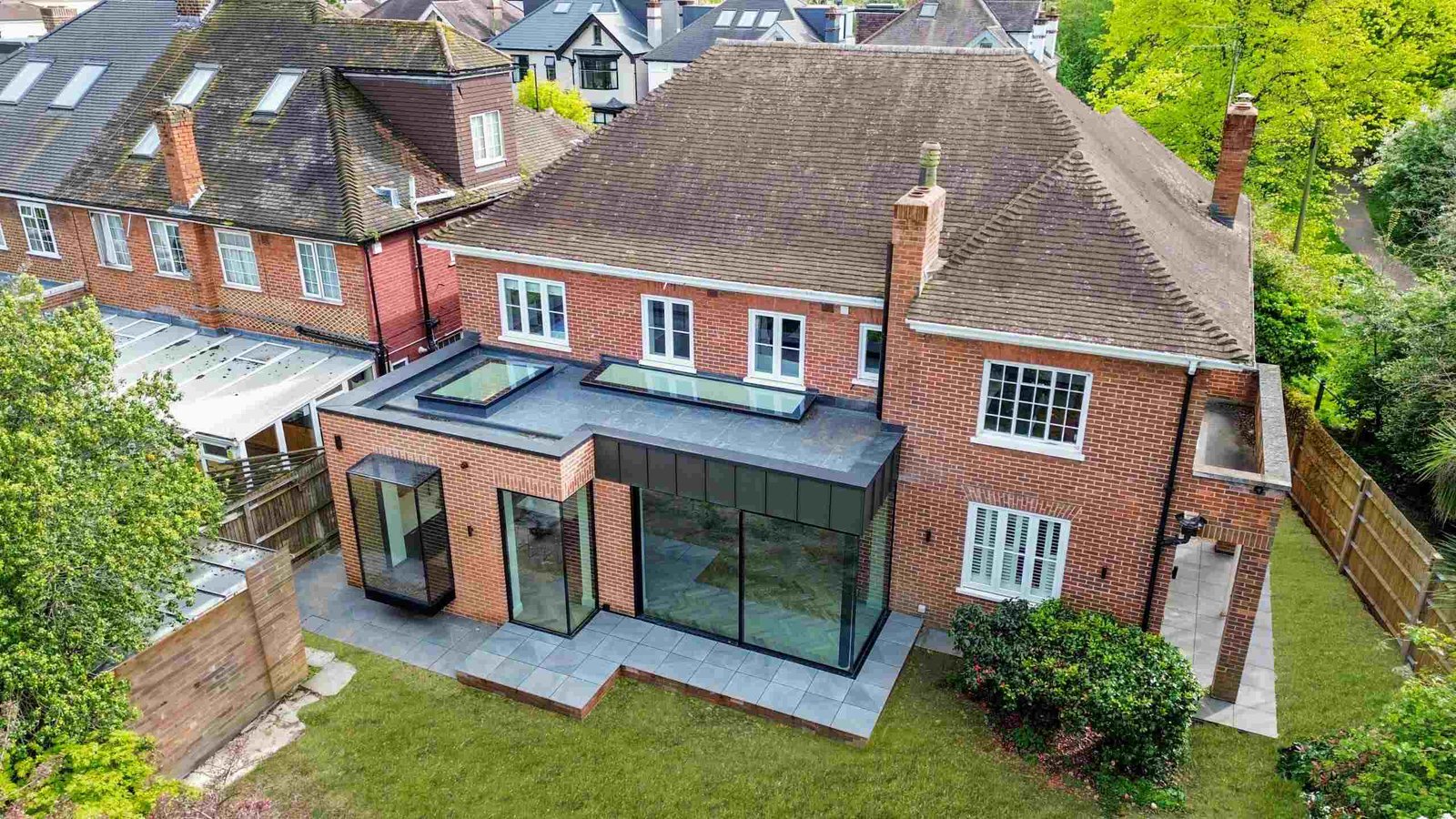
These are popular in Victorian and Edwardian terraces, especially where homeowners want a larger kitchen-diner and better connection to the garden. In H&F, the challenge is usually not the idea—it’s the impact. Depth, height, and boundary conditions need to be handled carefully to avoid overshadowing and overbearing effects.
Side infill and wrap-around extensions
Side returns are common in terraces. Wrap-arounds can add valuable space, but they are often more sensitive in planning terms because they increase overall massing. A local architect will usually work hard on stepped forms, roof lines, and glazing placement to keep the proposal balanced.
Loft conversions and roof extensions
Lofts can be a great way to add bedrooms without losing garden space. In H&F, roof works can attract scrutiny if they affect the street view or the established roof rhythm. The most successful loft designs usually feel like they “belong” to the building rather than sitting on top of it.
Basements and lightwells
Basements can unlock space in high-value areas, but they come with more technical and neighbour-related risk. The design needs to consider construction approach, party wall matters, drainage, and the practical realities of working on constrained sites.
Flat refurbishments and layout reconfiguration
A lot of homes in H&F are mansion blocks, conversions, and maisonettes. Even when planning is not required, good architects add value by solving awkward layouts, improving storage, bringing in daylight, and coordinating structural and building control requirements.
Conversions and small developments
Where projects involve additional units, the focus shifts to space standards, refuse and cycle strategy, access, and neighbour impacts. The best local teams are the ones that can combine design with a solid planning strategy from day one.
Why “local” matters in Hammersmith & Fulham
A local architect tends to be better at three things that matter a lot in this borough:
1) Reading the street and designing to fit it
H&F has strong architectural character in many areas—terrace rhythms, parapet lines, bay patterns, brick detailing. A local architect won’t fight that character by default. They’ll either design something that blends in, or they’ll propose a contemporary approach that still respects scale, proportion, and visibility.
2) Managing neighbour impacts early
Because homes are close together, neighbour issues come up often. A planning-friendly design usually controls:
- overlooking (especially from upper floors and terraces)
- loss of light and overshadowing
- “sense of enclosure” from deep or tall additions
Local architects often design with these risks in mind from the first sketch, rather than leaving it to planning negotiations later.
3) Turning constraints into a clear brief
In H&F, “we want more space” isn’t enough. A strong brief is specific:
- what rooms matter most
- where natural light should be prioritised
- what the budget can realistically deliver
- what compromises are acceptable
A good architect helps you decide what to push and what to keep simple.
What the process usually looks like
While every practice has its own approach, many local architects will take you through a similar sequence:
1) Feasibility and measured survey
They confirm what’s possible, flag risks early, and get accurate drawings of the existing property.
2) Concept design options
You’ll review layout options and massing ideas. This is where you decide how bold or conservative the proposal should be.
3) Planning package (if needed)
Once the design direction is agreed, they produce the drawings and documents for submission.
4) Technical design for Building Regulations
This is where details get real: structure, insulation, fire safety, drainage, junctions, and specifications.
5) Tender support and contractor coordination
Some clients tender to a few builders; others go direct to a recommended contractor. Either way, clear drawings reduce price surprises.
6) Site support
Many homeowners value ongoing architectural input during construction, especially on complex projects.
How to choose the right architect locally
When you’re comparing architects in H&F, look beyond portfolio images. Ask questions that reveal how they think:
- How do you reduce planning risk on tight streets?
- How do you approach neighbour privacy and daylight?
- What level of detail do you provide at Building Regs stage?
- How do you control costs during design?
- What does your fee cover, stage by stage?
Also ask to see projects similar to yours—not just “nice projects.” A basement architect is not always the best choice for a simple loft, and vice versa.
Final thoughts
Local architects in Hammersmith & Fulham add the most value when they combine good design with planning awareness and buildability. The best outcomes usually come from a calm, practical approach: shape the scheme to suit the street, manage neighbour impacts early, and produce technical drawings that contractors can actually build from.
If you’re planning an extension, loft conversion, basement, or refurbishment in H&F, start with a feasibility review and a few concept options. It’s the quickest way to turn “we need more space” into a design that has a strong chance of getting approved and built well.