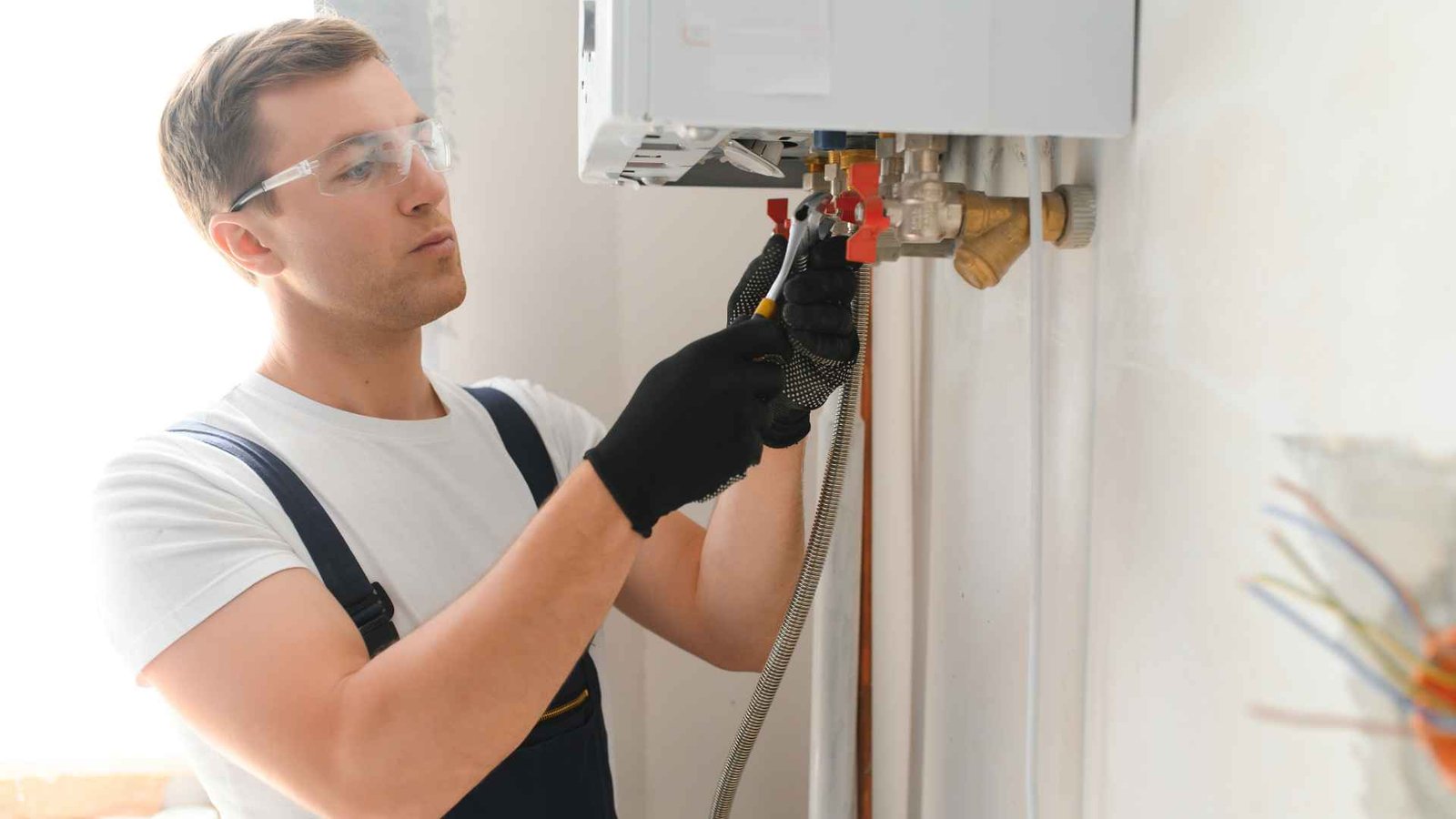
Keeping your boiler air vent in good working order is vital for efficient heating and reducing unnecessary wear on your boiler and central heating system. Air vents help release trapped air from the heating circuit — and if they’re blocked, stuck or poorly maintained, air can build up in pipework and radiators, causing cold spots, inefficient heating and increased energy use.
In this guide, we’ll walk through practical maintenance tips that any homeowner, landlord or heating engineer can follow to keep boiler air vents performing as they should — and save time, money and hassle in the long run.
Why Boiler Air Vents Matter
Air can enter your central heating system during installation, after servicing, or through gradual diffusion over time. While it might not sound like a big deal, trapped air:
- Reduces heat transfer, making rooms slower to warm up
- Causes noise such as gurgling or knocking
- Places extra strain on circulation pumps
- May contribute to corrosion over time
Air vents (whether automatic or manual) are designed to let this air escape safely. But like any mechanical part, they need regular attention to avoid failure.
Top Maintenance Tips for Boiler Air Vents
- Check Vents Regularly
Inspect air vents during your routine heating checks — ideally at least twice a year. Look for signs of:
- Dripping or leakage around the vent
- Rust or corrosion
- Loose or misaligned components
These early visual checks help you spot issues before they affect system performance.
- Clean Around the Vent Housing
Dust, cobwebs and limescale deposits can gather around vents over time. A gentle brush or soft cloth around the vent body can help ensure the release mechanism isn’t impeded.
- Test Automatic Vents
Automatic air vents are springloaded mechanisms that open to let air escape and then close. Over time they can become stuck or blocked.
How to test:
- Isolate the area (turn off the boiler and isolate water)
- Gently tap the vent body — if it’s stuck, a small light tap can free internal parts
- Observe if air bubbles escape when the system is refilled after bleeding
If there’s no response, it’s likely time for replacement.
- Bleed Radiators (and Vent Lines) Correctly
Air vents work best when the system has been bled properly:
- Turn off the boiler and let it cool
- Use a radiator key to open bleed valves from the top down
- Watch for water flow — once water flows smoothly, close the valve
- Repressurise the system as needed
This helps force trapped air toward the vents so it can escape efficiently.
- Replace Faulty or EndofLife Vents Promptly
Air vents don’t last forever — seals wear, springs fatigue and blockages can become permanent. If you notice:
- Persistent cold spots
- Continuous air accumulation after bleeding
- Leaks from the vent body
…it’s usually more costeffective to replace the vent than to try repeated repairs.
- Use Quality or Refurbished Parts
When choosing replacements, quality matters. Inferior vents can fail prematurely or leak, leading to wasted energy and boiler strain.
At NBS, we offer a range of relief valves and air vents, including remanufactured options that are:
- Fully tested to British standards
- Costeffective compared with new parts
- Backed by warranty for peace of mind
Choosing a refurbished part can lower upfront costs and support more sustainable heating maintenance.
FAQs
Q: How often should I check my boiler air vent?
A: Ideally, check at least twice a year — typically before the heating season begins in autumn and again midwinter.
Q: Can blocked air vents cause my boiler to shut down?
A: They normally won’t cause a complete shutdown, but they can make your system work harder, cause noise, reduce efficiency and lead to cold spots.
Q: Should I attempt vent maintenance myself?
A: Simple visual inspections and radiator bleeding are often DIYfriendly. However, if you suspect vent blockage, leakage or failure, it’s worth consulting a Gas Safe engineer — especially where vent access is difficult.
Q: What’s the difference between automatic and manual vents?
A: Automatic vents release air without manual intervention. Manual vents require a key or screwdriver to open and release air. Both types need periodic checks.
Call to Action
Regular maintenance of your boiler air vents helps ensure smooth, efficient heating, fewer breakdowns and a longer system lifespan.
Explore our range of relief valves and air vents — including highquality and refurbished options — at:
https://nationalboilerspares.co.uk/product-category/relief-valves-air-vents/
If you’re unsure which vent is right for your system, or need technical advice on maintenance, get in touch with our team — we’re here to help.