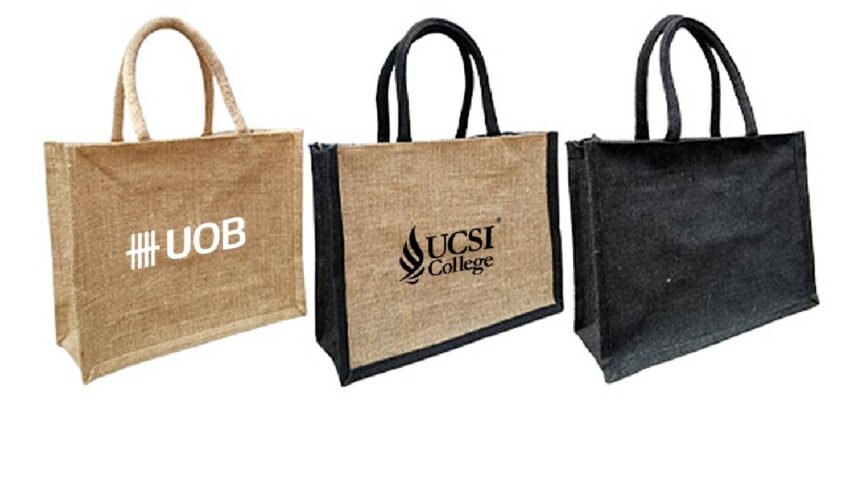
The retail industry is increasingly focusing on sustainable solutions to meet consumer demand and environmental regulations. Selecting premium jute bags as part of your procurement strategy can significantly enhance your business’s sustainability credentials. Jute bags are not only eco-friendly but also stylish and durable, making them ideal for modern retailers seeking to reduce their carbon footprint.
The Rise of Sustainability in Retail
Sustainability has become a central theme in retail procurement strategies. Consumers are more environmentally conscious and prefer brands that demonstrate a commitment to sustainable practices. This shift encourages retailers to reconsider their product offerings and sourcing methods to align with these values.
Why Choose Jute Bags?
Jute is a natural fibre that is 100% biodegradable and recyclable, offering a guilt-free purchase option for consumers. Its cultivation requires minimal chemical fertilisers and pesticides, making jute an environmentally responsible choice. Thus, incorporating premium jute bags into retail offerings is a strong step towards sustainability.
Durability and Versatility
Jute bags are known for their durability and versatility which is crucial in retail. They can withstand heavy weights, making them perfect for carrying various kinds of goods. This durability translates into a longer lifespan and greater usability, which appeals to both retailers and consumers.
Brand Image and Consumer Engagement
Adopting sustainable products like jute bags can enhance a retailer’s brand image. It communicates a commitment to environmental stewardship which resonates well with eco-conscious consumers. Such practices not only attract customers but also foster loyalty and engagement.
Cost-Effective Procurement
While initial costs may be slightly higher, the long-term benefits of using jute bags are substantial. Their reusability and durability mean fewer replacements and thus reduced marketing and operational costs. Retailers can market these bags as premium items, offsetting any additional expenditure through added value.
Alternative Bag Solutions
Besides jute, retailers should also consider other sustainable bag solutions. For example, Claytons Australia Calico bags wholesale provide another eco-friendly alternative that complements the selection of jute bags.
Non Woven Bags: A Versatile Option
Non woven bag solutions are another viable choice for retailers aiming for sustainability. These bags are made from bonded fibres and are reusable, leading to less waste compared to single-use plastic bags.
Implementing Sustainable Procurement Strategies
To implement an effective sustainable procurement strategy, retailers should evaluate all stages of their supply chain. This includes selecting eco-friendly materials, such as jute, and engaging with suppliers who prioritise sustainability.
Supplier Collaboration
Collaborating with suppliers like Claytons Australia, who provide a wide range of sustainable bags, can streamline the procurement process. It ensures consistency in sustainability across products offered to customers.
Challenges and Considerations
Despite the advantages, transitioning to sustainable products can present challenges. Suppliers need to manage supply and demand dynamics effectively to prevent any disruption. Therefore, understanding market trends and consumer preferences is essential to ensure a smooth transition.
Overcoming Initial Cost Barriers
Retailers must consider the initial costs associated with sustainable bags. Educating consumers on the benefits of sustainable products and implementing cost-effective solutions can mitigate these challenges.
Future Outlook
The future of retail lies in sustainable procurement strategies. As the market continues to evolve, the adoption of durable and eco-friendly products like premium jute bags will play a central role in retail success.
Embracing sustainability is not just a trend but a necessary path forward. Retailers can significantly benefit by aligning their procurement strategies with environmental values, thereby appealing to the modern consumer and enhancing their overall brand value.