Introduction
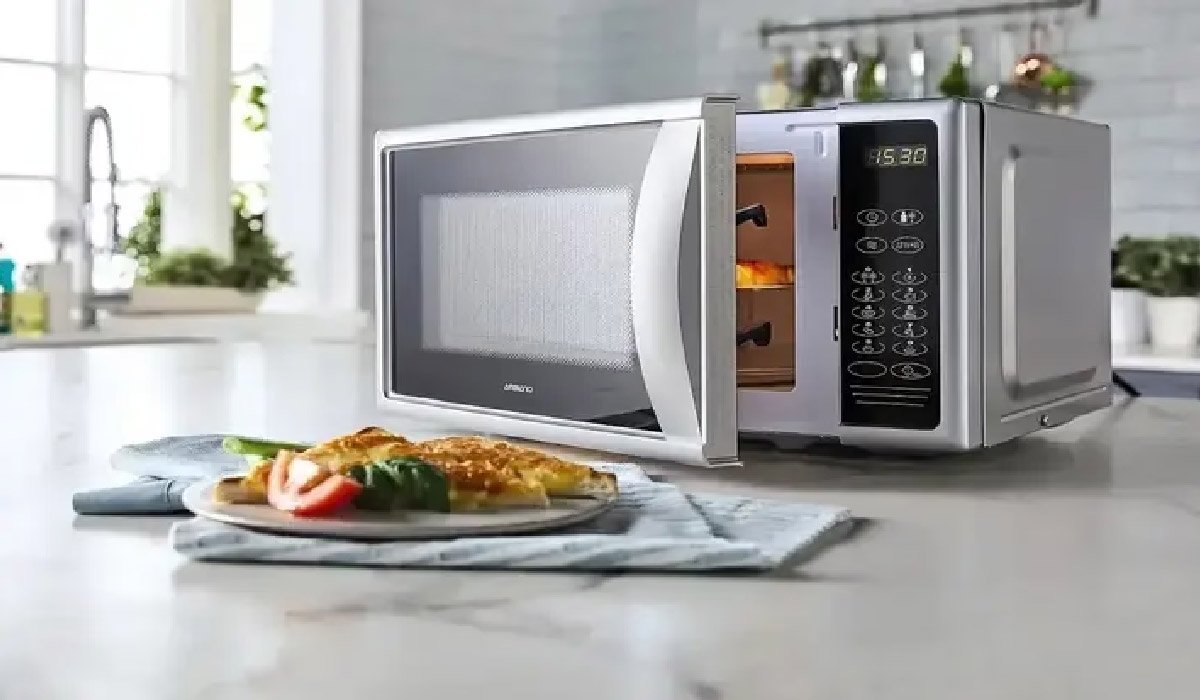
The Microwey plays an essential role in modern kitchens, changing how people prepare meals across the globe. It offers unparalleled speed, heating food in seconds or minutes that would normally take much longer on a stovetop or in a traditional oven. Its simplicity has made it a favorite among busy parents, college students, elderly individuals, and professionals who value quick meals without sacrificing convenience. In addition to saving time, the Microwey is more energy-efficient than many other cooking appliances.
It directly targets the food rather than heating up the entire cooking space, making it both fast and environmentally responsible. Moreover, the safety features in Microwey ovens—such as automatic shut-off mechanisms and cool exteriors—make them suitable for multitasking homes and safe enough for supervised use by older children. Its compact size means it fits even in the smallest apartments or RVs, extending its usefulness far beyond the traditional kitchen.
What Is a Microwey?
A Microwey is a widely used kitchen appliance that uses microwave radiation to heat, cook, and defrost food quickly and efficiently. While the proper term is “microwave oven,” the word Microwey has become a casual or regional term, sometimes appearing in second-hand marketplaces, informal product listings, or everyday conversations.
Whether you’re referring to a brand-new appliance in your modern kitchen or a used unit on platforms like OfferUp or Revolico, the core function remains the same: using microwave energy to excite water molecules in food, causing them to heat from the inside out. This makes the Microwey a cornerstone of convenience in households, student dorms, offices, and even vehicles, allowing users to save time, energy, and effort. It looks like a simple box, but the science within is what truly powers our mealtime routine.
The Science Behind the Microwey
How Does a Microwey Work?
At its core, the Microwey harnesses a unique segment of the electromagnetic spectrum known as microwaves—waves that fall between radio and infrared in frequency. These microwaves are generated by a device inside the oven called a magnetron, which converts electricity into microwave energy. The energy is then channeled through a component called a waveguide, allowing the microwaves to enter the cooking chamber, where they bounce around and penetrate food.
As these waves hit food, they agitate water, fat, and sugar molecules inside it, causing rapid vibration that creates frictional heat. This process, known as dielectric heating, warms food from the inside out, unlike traditional methods that heat from the outside in. The turntable in most Microwey ovens ensures even exposure by rotating the food throughout the process. This efficient combination of components makes the Microwey a scientific marvel—one that transforms electricity into culinary results in a matter of seconds.
Inverter Technology vs Traditional Microwaves
Many modern Microwey models now feature inverter technology, which delivers a steady stream of energy instead of pulsing on and off like traditional microwaves. This innovation results in more precise control over cooking temperatures, allowing delicate foods to defrost evenly and meals to cook without overcooking the edges. Inverter Microweys prevent the common issue of half-frozen, half-cooked meals and maintain better texture and moisture balance in foods. These advanced features elevate the Microwey from a basic reheating device to a versatile cooking tool that’s capable of producing high-quality meals with less effort and greater efficiency.
A Brief History of the Microwey
The Accidental Discovery by Percy Spencer
The origins of the Microwey can be traced back to the 1940s when engineer Percy Spencer, working on radar equipment for Raytheon, noticed something strange—his candy bar had melted in his pocket. Intrigued, he experimented with popcorn, which popped when placed near radar tubes. This accidental discovery revealed that microwaves could heat food. In 1945, Spencer created the first microwave oven prototype called the Radarange, a towering, bulky machine initially used only in commercial kitchens due to its size and cost. It weighed over 700 pounds and cost thousands of dollars, making it impractical for home use at the time.
From Industrial Giant to Kitchen Staple
By the 1960s and 70s, improvements in design, safety, and pricing led to smaller, more affordable Microwey units that were accessible to the average consumer. As adoption increased, manufacturers began refining the look, controls, and performance to meet the growing demand. By the 1980s, Microwey ovens had become a fixture in kitchens across the United States, Europe, and Asia. The evolution continued with digital displays, auto-cook features, and child locks becoming standard. Today’s sleek, compact, and multifunctional Microwey units are a far cry from the behemoths of the past, showcasing just how far this revolutionary appliance has come.
Types of Microwey Ovens
The Microwey has diversified into multiple types to suit different kitchens, budgets, and usage needs. Countertop Microweys are the most popular, offering portability and easy plug-and-play use. They come in various sizes, from compact 0.7 cubic feet models for dorms to family-sized 1.6 cubic feet versions. Over-the-Range Microweys are mounted above the stove and often include built-in ventilation systems, making them perfect for space-saving in smaller kitchens. Built-in and Drawer Microweys are designed for modern kitchen aesthetics and fit seamlessly into cabinetry or kitchen islands, though they often require professional installation.
Then there are Microwey Convection Ovens, which combine microwave heating with a convection fan to allow grilling, baking, and roasting—ideal for more complex cooking. Lastly, Smart Microweys are internet-connected models that offer app control, voice commands, and scan-to-cook functions for enhanced convenience. Each type is designed with specific users in mind, making it easy to find a Microwey that matches your lifestyle.
Everyday Uses of the Microwey
Most Popular Tasks
The Microwey is a powerhouse for everyday convenience. Reheating leftovers is perhaps its most well-known function, reviving pizza, pasta, rice, and casseroles in under a minute. Defrosting frozen food like meat or vegetables is another common use, with most models offering a defrost mode to prevent partial cooking. The Microwey is also perfect for cooking frozen ready meals, from burritos to lasagna, as well as steaming vegetables quickly with minimal water. It’s a go-to device for making quick drinks like tea or hot cocoa, and for heating up baby bottles or soup with minimal cleanup required.
Creative or Uncommon Uses
Beyond basic tasks, the Microwey can be surprisingly versatile. You can make a mug cake in under 90 seconds, melt chocolate or butter with precision, or steam fish and rice for a quick and healthy dinner. Some users even sanitize kitchen sponges or dry herbs using their Microwey. Whether you’re creating homemade chips, reheating a heating pad, or trying a new five-minute recipe, the possibilities are nearly endless. The appliance’s flexibility makes it both a culinary tool and a scientific helper in the kitchen.
Benefits of Using a Microwey
Using a Microwey provides several clear benefits that go beyond mere convenience. First and foremost, it is significantly faster than traditional cooking methods, which is especially useful for busy households. From frozen meal to steaming hot plate in minutes, the time savings are substantial. Second, the Microwey is energy-efficient—it only heats the food, not the air around it or the entire oven, thus saving on electricity bills. Third, it’s safer since the exterior remains cool to the touch and modern safety features like auto shut-off reduce the risk of burns or fires. Fourth, it’s incredibly easy to use with one-touch settings, pre-programmed modes, and intuitive interfaces. Lastly, its compact design fits in small spaces, making it perfect for apartments, dorms, or travel homes.
Common Concerns and Myths (Safety Explained)
Are Microweys Safe?
Yes, the Microwey is one of the safest cooking appliances available. It uses non-ionizing radiation, which does not alter DNA or create harmful radioactive particles. The waves are only active while the unit is on and the door is shut, and modern designs ensure very minimal leakage—well below levels considered harmful by international safety standards.
Mythbusters
Many myths exist, such as the idea that Microwey food becomes radioactive or that it destroys nutrients. These are false. Microwaved food is not radioactive at all—the waves simply excite molecules to generate heat. In fact, because of the shorter cook times and lower water usage, Microwey cooking can preserve nutrients better than boiling or baking.
Real Precautions
There are a few legitimate precautions: always use microwave-safe containers, never insert metal unless labeled safe, and be cautious with superheated liquids, which may erupt when stirred. Following manufacturer guidelines ensures safe and effective use.
Microwey and Nutrition
Cooking with a Microwey is not only fast—it can be healthy, too. Because it uses little to no oil, Microwey meals can be lower in fat. When steaming vegetables with just a splash of water, more vitamins like C and B are retained compared to boiling. It also reduces the degradation of proteins and helps maintain color, texture, and natural taste. For health-conscious individuals or parents preparing meals for children, the Microwey offers a practical solution for making nutritious food accessible and enjoyable.
Microwey and the Environment
From an environmental standpoint, the Microwey is a smart choice. It uses less energy than traditional ovens for small tasks, which is ideal for those looking to reduce their carbon footprint. Heating a single cup of tea or plate of food consumes significantly less power in a Microwey compared to preheating a full-sized oven. Over time, these energy savings translate into lower utility bills and a greener planet. Choosing a Microwey with an eco-mode or inverter technology further enhances these benefits.
Microwey in Global Culture
How the World Uses Microwey
The Microwey is embraced worldwide, though its uses vary by region. In the United States, it’s popular for reheating and popping popcorn. Europe, it’s commonly used for warming tea, soups, or ready-made meals. In Asia, many people steam rice, heat up bento-style lunches, or defrost seafood using their Microvey. Latin America and Cuba, local marketplaces like Revolico show how affordable, generic “Microwey” units are part of everyday life. Across cultures, this appliance bridges economic and lifestyle differences with a universal appeal for speed and simplicity.
Buying a Microwey Locally (OfferUp, Revolico, etc.)
What “Microwey” Means in Classified Listings
On sites like OfferUp (U.S.) or Revolico (Cuba), “Microvey” often appears as a casual or misspelled label for microwave ovens. These listings usually feature used or off-brand models priced affordably for local pickup.
Pros and Cons
| Pros | Cons |
|---|---|
| Budget-friendly | No warranty or returns |
| Easy to pick up locally | Unknown performance or age |
| Flexible negotiations | May lack safety certifications |
When purchasing this way, always inspect the appliance in person, ask questions about its history, and test its basic functions before paying.
How to Choose the Right Microwey
Choosing the right Microwey depends on your cooking needs. Wattage is a good place to start—700W is sufficient for basic tasks, but 1000W+ is better for full meals. Consider capacity: a 20–30L unit is standard for most families. Look for features like auto-cook menus, inverter technology, defrost modes, or child locks. If you want more convenience, opt for a smart Microvey with app control or voice commands. Price varies from $80 for simple models to $300+ for advanced ones, so balance cost with long-term value.
How to Use the Microwey Safely and Effectively
Smart Microwey Tips
To get the best results from your Microvey, use microwave-safe glass or ceramic containers, cover your food lightly to trap steam, and stir or rotate midway to prevent cold spots. When defrosting meat, always use lower power settings to avoid cooking the edges while the center remains frozen.
Cleaning Your Microwey
Clean your Microwey weekly to avoid odor and bacteria. A simple trick is to place a bowl of water with lemon juice inside and run the unit for five minutes. The steam will loosen stains for easy wiping. Avoid abrasive cleaners and always dry thoroughly after cleaning.
Common Problems and Quick Fixes
| Problem | Cause | Fix |
|---|---|---|
| Uneven heating | No rotation | Use turntable and stir food |
| Sparking | Metal in oven | Remove item, check container |
| No power | Faulty plug or fuse | Check power source or technician |
Microwey for Kids and Seniors
The Microwey is user-friendly for all ages. Child lock functions, preset buttons, and clear digital displays make it safe for older children and seniors alike. Many models offer one-touch cooking, perfect for those with limited mobility or vision issues. With proper supervision and basic safety rules, the Microvey becomes a tool for family independence.
Future of the Microwey
Technology is reshaping the future of the Microwey. New models feature AI-based sensors that auto-adjust settings based on food type, voice assistant integration, and energy-efficient modes for eco-conscious homes. Future concepts include 3D food printing using microwave technology, expanding its role in meal preparation, especially in space exploration or healthcare. The Microvey continues to evolve, blending innovation with everyday use.
Conclusion
The Microwey is not just a kitchen accessory—it’s a marvel of science, a symbol of convenience, and a versatile partner in healthy, fast cooking. Whether you’re heating leftovers, steaming vegetables, or experimenting with mug recipes, it offers a reliable, efficient, and safe way to prepare meals. With continued innovation and global relevance, the Micro wey is set to remain a vital part of kitchens everywhere. Embrace it, use it smartly, and enjoy the magic it brings to your daily life.
FAQs About Microwey
What is a Microwey?
A Microwey is a kitchen appliance that heats or cooks food using microwave energy. It works quickly and is very easy to use. Many people call it a microwave, but “Microwey” is a friendly or casual name some use.
Is Microwey safe to use every day?
Yes, a Microwey is very safe to use every day. It uses non-ionizing waves that do not harm your body or make food radioactive. Just follow safety tips like using microwave-safe containers and keeping it clean.
What can I cook in a Microwey?
You can cook many things in a Microwey like vegetables, pasta, rice, soup, frozen meals, and even cakes in a mug. It’s also great for reheating leftovers, defrosting meat, and making quick snacks.
Does Microwey remove nutrients from food?
No, Microwey cooking keeps more nutrients than boiling because it uses less water and takes less time. It’s a healthy way to cook vegetables and meals, especially if you use the steam method.
How do I clean a Microwey easily?
To clean a Microwey, place a bowl of water with lemon juice inside and heat it for 5 minutes. The steam softens any mess inside. Then, just wipe it with a clean cloth. This keeps your Microwey fresh and smelling good.
You May Also Read: Direct Fairways Lawsuit Exposed: The Shocking Truth Small Businesses Must Know
For More Information, Visit Dotmagazine