Every January, a fresh cohort of books, photographs, paintings and recordings enters the public domain. For UK creators, educators and brands, it is the one date that reliably expands your visual toolkit without licensing wrangles. Museums surface new scans, archives reopen boxes, and editors trawl collections for material that can be republished, remixed and taught. The opportunity is real, but so are the pitfalls. UK rules have quirks, museums keep their own terms of use, and the web punishes sloppy preparation. This guide sets out what is newly reusable, how to stay on the right side of UK law and sector practice, and the quickest way to ready images for your site.
Key point. Public domain status removes copyright restrictions, but it does not cancel every other rule. Terms of use, privacy and accuracy still apply.
What enters the UK public domain this year?
The core UK rule is simple to remember. Copyright in literary, dramatic, musical and artistic works normally expires 70 years after the death of the author. The turning of the year means creators who died 70 years earlier now join the public domain in Britain. Films last 70 years after the death of the last of three key contributors (principal director, screenplay or dialogue author, and composer of music created for the film). Sound recordings are protected for 70 years from publication. Newspapers and magazines contain multiple works with different clocks, so tread carefully when extracting single images from a page.
A few UK-specific categories are worth flagging. Crown copyright covers works created by or under the direction of the government. It usually lasts 50 years from publication, with separate rules for older unpublished material. Parliamentary copyright also lasts 50 years from publication. For some pre-1989 unpublished works there is a special 2039 long stop. None of this is designed to trap users, but it does mean you should check the provenance of any scan before you hit upload.
Finally, remember that rights and reputation are not the same thing. Moral rights like the right to be named and the right to object to derogatory treatment are part of UK law. In practice, good attribution and faithful reproduction help you avoid needless arguments and align with museum expectations even when the work is out of copyright.
Key point. Start with the timeline. If the creator died more than 70 years ago and you are not dealing with Crown or Parliamentary material, the work itself is likely public domain in the UK.
Reuse with care: what you may do and what to check first
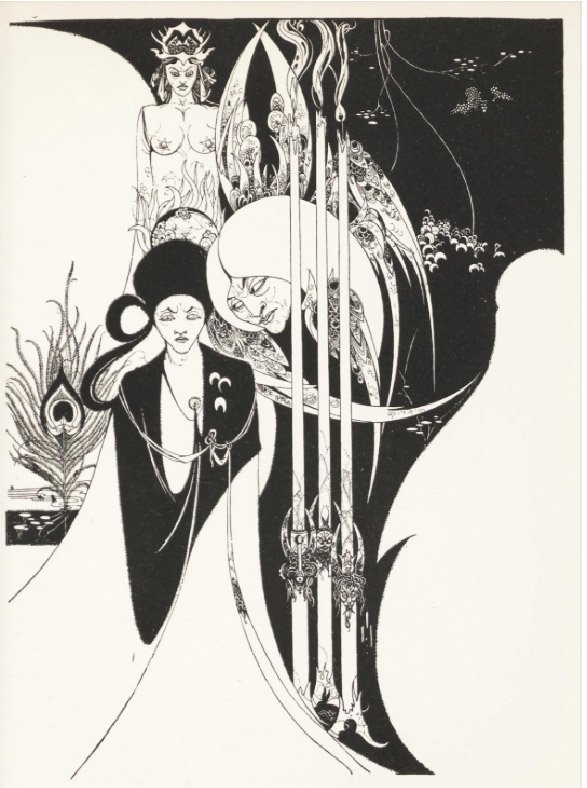
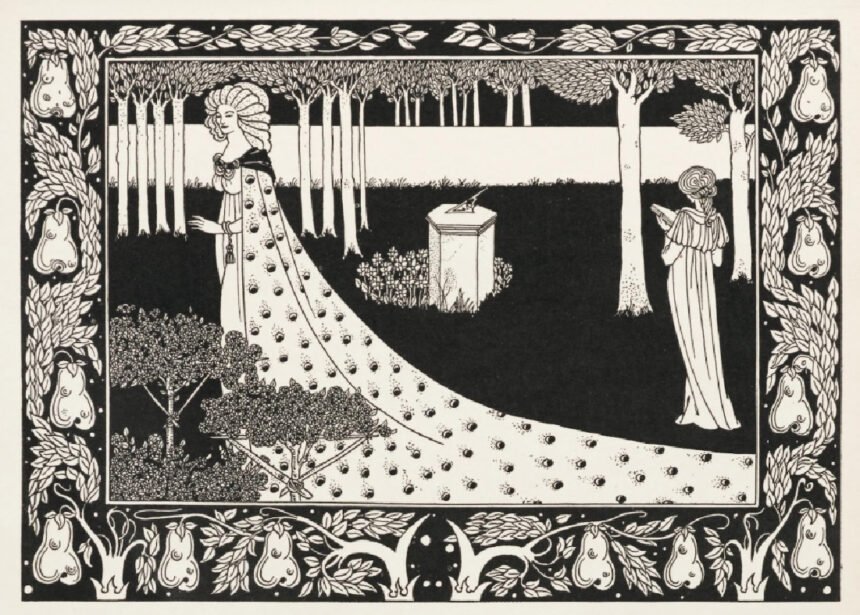
Once a work is in the public domain, you may copy, crop, colour-correct, adapt and even use it commercially. The tricky part is that digital files have their own layers of control. Museums often publish faithful reproductions of two-dimensional works. In UK law, a purely mechanical scan does not usually create a new copyright, but a museum may still impose contract terms or access conditions through its website. Those terms are enforceable as a matter of contract even if the underlying painting is out of copyright. Always read the “terms of use,” and prefer collections that clearly mark files as public domain or CC0.
Brand owners should also check for trade marks and privacy. A public domain photograph of a product package can still display an active trade mark. You may quote or report on it, but you should avoid implying endorsement. Photographs of identifiable living people raise data-protection questions. Most institutions avoid those in public domain sets, yet if you reuse a twentieth-century street scene, think twice about modern context and captions.
If you want to go beyond reuse and share your own scans, add clarity for downstream users. Use the Public Domain Mark for faithful reproductions, reserve CC0 for material you created yourself, and keep a one-line attribution format in your footer or caption. A tidy provenance helps teachers, journalists and historians decide quickly whether they can rely on your upload.
Key point. The safest path is to combine rights clarity with provenance. Check the collection’s small print and pass that clarity forward in your captions.
Where to find high-quality open images
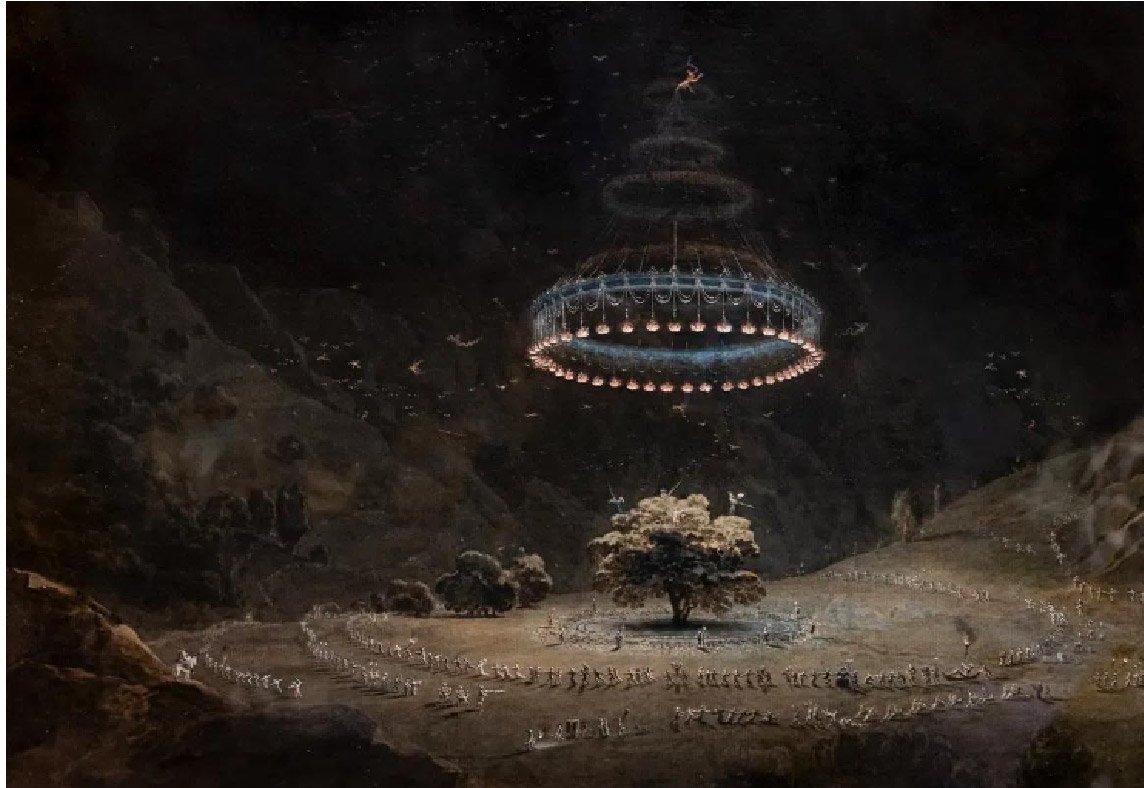
The UK is rich in open collections that welcome reuse. The British Library’s Flickr Commons release alone runs to more than a million book illustrations harvested from nineteenth-century volumes. The Wellcome Collection provides a substantial image bank of medical, scientific and social history material with liberal reuse terms. Wikimedia Commons has grown past the hundred-million file mark and includes a thriving community that classifies, geolocates and translates metadata. Europeana aggregates records from across Europe, including many UK institutions, and lets you filter for public domain or CC0 material so you do not waste time on restricted files.
For art lovers, several national galleries and regional museums now provide high-resolution downloads of out-of-copyright works. The gains are practical. You can start with a 6K or 8K scan rather than a thumbnail, which gives you headroom for responsible colour adjustment and cropping without artefacts. Many institutions also expose IIIF endpoints, which means you can zoom, crop and compare details in your browser before committing to a download.
Beyond the big repositories, The Public Domain Review curates essays and themed sets that make it easier to discover overlooked artists or genres. It is particularly helpful for building a coherent editorial package around a date, theme or public anniversary.
Key point. Work from the highest-quality lawful source you can find. Better masters make cleaner edits and fewer headaches later.
Make it web-ready: scan to upload without tripping over ethics
A good web preparation flow is short and predictable. Start by downloading the largest lawful file. Keep a master copy untouched and work on a duplicate. Correct exposure and colour gently so that the digital version matches the physical work under neutral light. Avoid novelty filters and do not remove cracks, stains or brush hairs unless your caption makes that intervention explicit. If you need to crop, respect the original composition and keep a full-frame version for reference.
When you reach the formatting stage, make a single, well-documented derivative for your site. For a typical article layout, 2,000 to 3,000 pixels on the long edge at a sensible JPEG quality is both light and crisp. If you need a quick resize and a discreet brand stamp on a derivative that will be shared socially, a free online photo editor can handle both tasks in one pass while you leave the master version clean in your archive.
If you are building a small online exhibition, create a minimal style guide before you process a batch. Fix margins, captions and alt-text structure, then apply it across the set. When you need last-minute crops for a homepage slot or newsletter hero, reaching for a free online photo editor is reasonable as long as you keep alterations global and avoid edits that change the substance of the image.
Accessibility is not an afterthought. Write alt text that describes what the image shows rather than what you want the reader to feel. Credit the creator, the work title, the date and the source collection in the caption. If you are experimenting with zoomable views or side-by-side comparisons, host the master at a stable URL and offer a lower-weight derivative in the page for speed. For quick social cut-downs where you want consistent aspect ratios, a free online photo editor can standardise size without straying into heavy retouching.
Key point. Keep one clean master and publish controlled derivatives. Document small technical edits and avoid anything that would mislead a reasonable viewer.
A ready-for-upload checklist
- Confirm the work is public domain in the UK and check the collection’s terms of use.
- Download the highest-resolution lawful file, keep an untouched master.
- Make only global colour and exposure corrections, avoid content changes.
- Add clear captions with creator, title, date, source and rights statement.
- Write descriptive alt text and test your page on mobile and desktop.
- Export a web-size derivative and keep the master for future projects.
Key point. The checklist keeps you fast and honest. If a step feels awkward to justify in writing, skip it.
In conclusion
Public Domain Day is a gift to UK makers and editors. It widens access, deepens teaching and lets brands ground their stories in shared culture without cost or friction. The trick is to combine confidence with care. Work from reputable sources, keep a clean master, make only global technical adjustments, and document what you do. Do that, and you will publish with speed while respecting the spirit of the public domain and the communities that maintain it.
FAQs
Can I sell prints of public domain images I download from a museum site?
Yes, if the work is out of copyright and the museum permits commercial reuse in its terms. Some sites allow it, others limit sales by contract even when copyright has expired.
Do I need to credit the museum if the work is public domain?
Legally, attribution is not required for public domain works, but it is good practice and often a condition of access. Credit the creator, work title, date and the source collection.
What about faithful reproductions of two-dimensional works?
In the UK, a purely faithful scan is unlikely to attract a new copyright. Even so, website terms can still bind you by contract, so check reuse conditions before publishing.
Is it acceptable to remove damage from an old painting for social media?
Not by default. Repairs, crack removal or dramatic tone shifts can mislead. Keep edits global and conservative, or clearly label the image as a restoration.
How do I avoid technical gotchas when uploading lots of images?
Create a short style guide for sizes, margins and captions, then process in batches. Keep a clean master for every file and publish controlled derivatives for the web.