In the world of self-expression, few forms are as bold and enduring as the tattoo. For centuries, tattoos have symbolized everything from tribal identity and religious devotion to personal milestones and aesthetic preference. Today, tattooing is more accessible, accepted, and diverse than ever before. At the center of this transformation lies the modern tattoo shop — a place where creativity, skill, and personal stories are permanently etched into skin.
This article explores the intricacies of the tattoo shop experience, from the artistic process and client interaction to hygiene standards, cultural evolution, and the emotional significance behind the ink.
The Modern Tattoo Movement
The perception of tattoos has shifted dramatically over the past few decades. Once relegated to the margins of society — associated with sailors, bikers, and rebellion — tattoos are now celebrated across professions, generations, and cultures. From minimalist wrist symbols to full-back masterpieces, people of all walks of life choose tattoos to express identity, commemorate loved ones, or simply enjoy the beauty of body art.
This widespread acceptance has elevated the tattoo industry and the professionals within it. A tattoo shop is no longer a back-alley curiosity; it is a legitimate business, an art studio, and a safe space where personal transformation begins.
Stepping Into a Tattoo Studio
Entering a tattoo shop for the first time can be both exciting and intimidating. The hum of machines, the smell of antiseptic, and walls lined with art tell you that you’re in a space where the body becomes a canvas.
Atmosphere and Aesthetics
Every shop reflects its artists. Some lean into a traditional, flash-wall aesthetic, while others resemble sleek art galleries. Regardless of style, a good studio feels clean, organized, and welcoming. The reception area is typically filled with portfolios, artist information, and client testimonials. Many studios also display awards or certifications — a mark of their professionalism and commitment to quality.
The ambiance plays an important role. Lighting, cleanliness, music, and seating contribute to a client’s comfort, especially during long sessions. While aesthetics are subjective, professionalism is not.
The Consultation: From Idea to Design
A tattoo doesn’t start with ink — it starts with a conversation. Whether the client brings a detailed design or just a vague idea, the consultation phase is where the artist and client collaborate to shape the final vision.
Understanding the Vision
During the consultation, the artist will ask questions such as:
- What is the meaning or inspiration behind the design?
- What style are you drawn to — realism, traditional, geometric, abstract?
- Do you want black and grey or full color?
- Where on your body will the tattoo go?
- What size are you considering?
These details help the artist craft a design that complements both the story and the anatomy of the client.
Placement Matters
Tattoo placement is more than aesthetic — it’s practical. Areas that experience more movement, friction, or sun exposure can affect how a tattoo heals and ages. A good artist will guide clients on ideal placement based on the design and the client’s lifestyle.
The Artistic Process
Once the design is finalized and placement is approved, the real work begins. A tattoo is a permanent procedure, so preparation and precision are critical.
Setting Up the Workspace
Before tattooing starts, the artist will:
- Disinfect the work area
- Set up a sterile station with needles, ink, gloves, and other equipment
- Apply the stencil to the skin using a transfer solution
- Confirm placement with the client
Safety and hygiene are non-negotiable. The artist wears disposable gloves and ensures all materials that come in contact with the skin are either single-use or properly sterilized.
The Tattooing
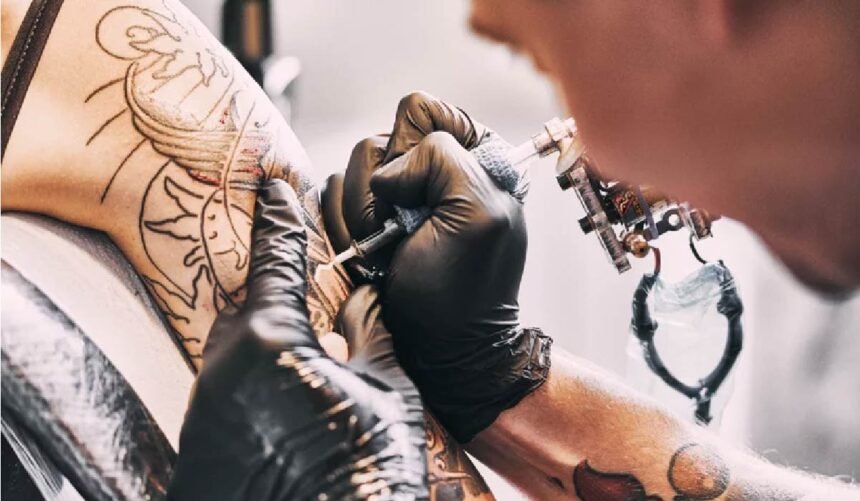
The artist begins with outlining — using a fine needle to trace the design’s borders. Next comes shading and color, where larger needles or different techniques are used to fill in the tattoo. Throughout the session, the artist will wipe away excess ink and blood and check with the client for comfort.
Sessions can range from 30 minutes to several hours, depending on size and complexity. For larger pieces, multiple sessions may be required.
Completion and Aftercare Instructions
Once complete, the tattoo is cleaned, photographed, and covered with a sterile bandage. The artist will explain aftercare steps, which typically include:
- Gently washing with fragrance-free soap
- Keeping the area moisturized with tattoo-specific ointment
- Avoiding sun exposure and soaking (no pools or baths)
- Refraining from scratching or picking as the skin heals
Proper aftercare ensures vibrant healing and reduces the risk of infection or scarring.
Hygiene, Licensing, and Professionalism
The foundation of a reputable tattoo shop is not just art — it’s safety. Licensing, hygiene, and ethics are the backbone of any successful studio.
Cleanliness Standards
- Autoclaves: Used to sterilize reusable tools with high-pressure steam
- Single-use Items: Needles, gloves, razors, and ink caps are discarded after each use
- Surface Barriers: Machine cords, chairs, and work surfaces are covered with disposable barriers
- Biohazard Disposal: Needles and contaminated materials are placed in proper containers
These standards protect both clients and artists from infections, allergic reactions, and bloodborne diseases.
Licensing and Certification
Most jurisdictions require tattoo artists to complete health and safety training, including certifications in bloodborne pathogen prevention. Shops are often subject to health inspections, and responsible studios display their licenses where clients can see them.
Tattoo Styles and Specialization
Every artist has a unique touch, but many specialize in specific styles. When choosing a tattoo shop, it’s important to match the artist’s expertise with your desired design.
Popular Tattoo Styles
- Traditional: Bold lines, limited color palette, classic motifs like anchors or skulls
- Neo-Traditional: More depth and color, with updated classic imagery
- Realism: Portraits, animals, or landscapes that look photographic
- Watercolor: Soft, flowing colors mimicking paintbrush strokes
- Blackwork: Heavy use of black ink, geometric patterns, or abstract forms
- Minimalist: Clean lines, small symbols, or fine details
- Japanese (Irezumi): Mythological figures, koi fish, and cherry blossoms, often in large compositions
Clients should review portfolios before booking — most artists showcase their best work on social media or the shop’s website.
Emotional Meaning and Personal Transformation
Tattoos often carry deep personal significance. People get tattooed to honor lost loved ones, commemorate achievements, or express parts of themselves that words cannot.
For some, it’s a way to reclaim control over their bodies, especially after trauma or major life changes. For others, it’s purely about aesthetics — the joy of wearing art. Regardless of reason, the experience of being tattooed can be transformative.
A professional tattoo shop recognizes this emotional component. The artist is not just creating a design — they’re helping mark a moment in someone’s life.
The Client-Artist Relationship
A good tattoo experience is rooted in trust. The client entrusts the artist with their body, their vision, and often, their emotions.
Communication is Key
Clear communication before, during, and after the session ensures that both parties are aligned. The artist must be honest about:
- What works artistically and anatomically
- How much time and pain to expect
- What aftercare involves
- Whether a touch-up might be needed
In return, the client should communicate openly, ask questions, and respect the artist’s time and expertise.
The Business of Tattoos
Beyond the art, running a tattoo shop involves managing a business. This includes:
- Scheduling and deposits
- Time management (especially for large, custom pieces)
- Managing supplies and cleanliness
- Marketing and social media presence
- Handling reviews and feedback
Many shops now operate partially online — with clients submitting consultation forms, paying deposits digitally, and browsing artist portfolios via social platforms.
Choosing the Right Shop
Getting a tattoo is a permanent decision. Choosing the right shop can make the difference between a memorable experience and a regretful one.
Tips for Choosing a Tattoo Shop
- Look at Portfolios: Make sure the shop or artist has work that aligns with your taste
- Visit in Person: Observe cleanliness, customer service, and overall vibe
- Ask Questions: Don’t be afraid to inquire about experience, licensing, or technique
- Read Reviews: Past client experiences can reveal a lot about professionalism
- Don’t Bargain Hunt: Good tattoos aren’t cheap, and cheap tattoos aren’t good
A great tattoo shop values quality, transparency, and client satisfaction over quick cash.
Conclusion
The world of the tattoo shop in Lakewood is a fascinating blend of art, anatomy, emotion, and craft. Far from being just a place to get inked, it’s a studio where stories are told, identities are shaped, and transformation occurs — one line at a time.
Whether you’re getting your first tattoo or adding to a full-body canvas, the process is deeply personal. In the hands of a skilled artist and a reputable shop, your vision becomes a permanent work of art that tells your story long after the ink dries.