For decades, marketers and creators have relied on stock photo libraries to fill campaigns, blog posts, and landing pages. But in 2026, the tide is turning and fast.
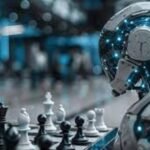
A new era of visual content is here, driven not by photographers behind lenses but by algorithms trained on billions of images. AI-generated visuals are challenging the very existence of traditional stock photography.
So, what’s behind this massive shift and why are businesses choosing AI over stock? Let’s dig in.
1. Infinite Supply, Zero Licensing Hassles
Stock photo subscriptions once made sense because they offered convenience. You could quickly grab a ready-made image without hiring a photographer. But even then, licensing restrictions, repetitive imagery, and credit requirements were constant headaches.
AI tools changed that. You can now generate unique visuals in seconds, with no license conflicts or overused faces showing up in competitors’ ads. Every brand can own visuals that no one else has – a true differentiator in digital marketing.
2. Data-Driven Visual Creation
Modern marketing is ruled by data, not intuition. AI image tools use massive datasets to understand what types of visuals perform best. From color palettes that drive higher click-through rates to composition styles that boost engagement, these tools take the guesswork out of creative design.
Brands can now train AI models on their existing content libraries to produce visuals perfectly aligned with their identity. It’s not just faster — it’s measurable creativity.
3. The Death of the “Generic” Image
If you’ve ever scrolled through stock sites, you’ve seen it – the overly polished handshake, the too-happy office team, the same coffee-cup flat lay repeated endlessly.
Audiences crave authenticity, and AI is catching on. Today’s generation of image models can create natural, expressive, human-like moments that feel real, not staged. That realism comes from training on enormous, diverse datasets instead of staged shoots.
4. Personalization at Scale
Imagine generating 10,000 ad visuals automatically – each version personalized for different demographics, geographies, or even moods. That’s where AI-generated imagery truly beats stock photography.
Instead of adapting your campaign around the photo, you build photos around your campaign. Tools like PhotoAI.me’s undress ai demonstrate how deeply AI can transform and reimagine existing visuals – from outfit variations to realistic lighting changes –creating endless possibilities for creative testing and personalization.
5. Cutting Production Costs
Photoshoots cost money – models, lighting, locations, and editing all add up. Stock libraries helped reduce those costs, but AI cuts them to near zero.
Need a winter scene for your product ad? Generate it. Need a version with the same model holding a different object? Regenerate it.
In 2026, creative iteration becomes instant, allowing small teams to compete with the production budgets of global brands.
6. Faster Creative Experimentation
In marketing, speed wins. Campaigns change weekly, sometimes daily. Traditional design cycles can’t keep up.
AI visual tools, however, can produce hundreds of variants in minutes like undresser ai, making A/B testing visual elements like background, lighting, or tone effortless. This data-driven experimentation helps marketers quickly learn what resonates – and scale it instantly.
7. Ethical and Branding Control
While AI visuals raise questions about data sourcing, they also provide better control. Brands can specify tone, diversity, and emotion parameters to ensure content aligns with company values and guidelines. Instead of pulling a random stock model who might appear elsewhere, you define exactly how your brand looks and feels in every image.
So, Will Stock Photography Disappear Entirely?
Not immediately, but it’s evolving.
Stock platforms are already integrating AI-generation features into their libraries, allowing users to customize existing photos with a few prompts. The future of stock photography is hybrid: partly human, mostly algorithmic, and entirely adaptive.
In short, AI isn’t just replacing stock photos – it’s redefining the creative process itself.
By 2026, marketers won’t ask, “Where can I find a photo like this?”
They’ll ask, “How do I want my AI to imagine it?”