The Fascinating World of Puzzles: A Deep Exploration of Creativity, Logic, and Mental Mastery

Puzzles have been part of human culture for centuries, evolving from simple pattern-based challenges into complex mental adventures that stimulate the mind and inspire curiosity. They offer a rare balance: they can calm the brain while simultaneously pushing it toward sharper thinking. This combination makes puzzles valuable for people of all ages, whether for leisure, learning, or mental exercise.
The experience of solving a puzzle mirrors many aspects of life. Whether you’re working through traditional challenges or exploring free puzzles available online, you begin with scattered pieces—ideas, tasks, or obstacles—and slowly organize them into something meaningful. This simple yet profound process teaches patience, strengthens focus, and nurtures problem-solving skills that extend beyond the puzzle table.
Why Puzzles Are Universally Loved
Puzzles have a timeless appeal because they engage the mind in a natural and enjoyable way. People are naturally drawn to patterns, challenges, and the satisfaction of creating order out of chaos. When a puzzle piece fits or a clue clicks, the brain rewards us with a feeling of accomplishment. This emotional feedback is part of why puzzles remain popular around the world.
Another reason is accessibility. Puzzles come in endless forms—visual, logical, linguistic, mechanical—making them suitable for practically anyone. Whether someone prefers visual challenges or analytical reasoning, there is always a puzzle that aligns with their interests and skill level.
Exploring the Many Types of Puzzles
Jigsaw Puzzles
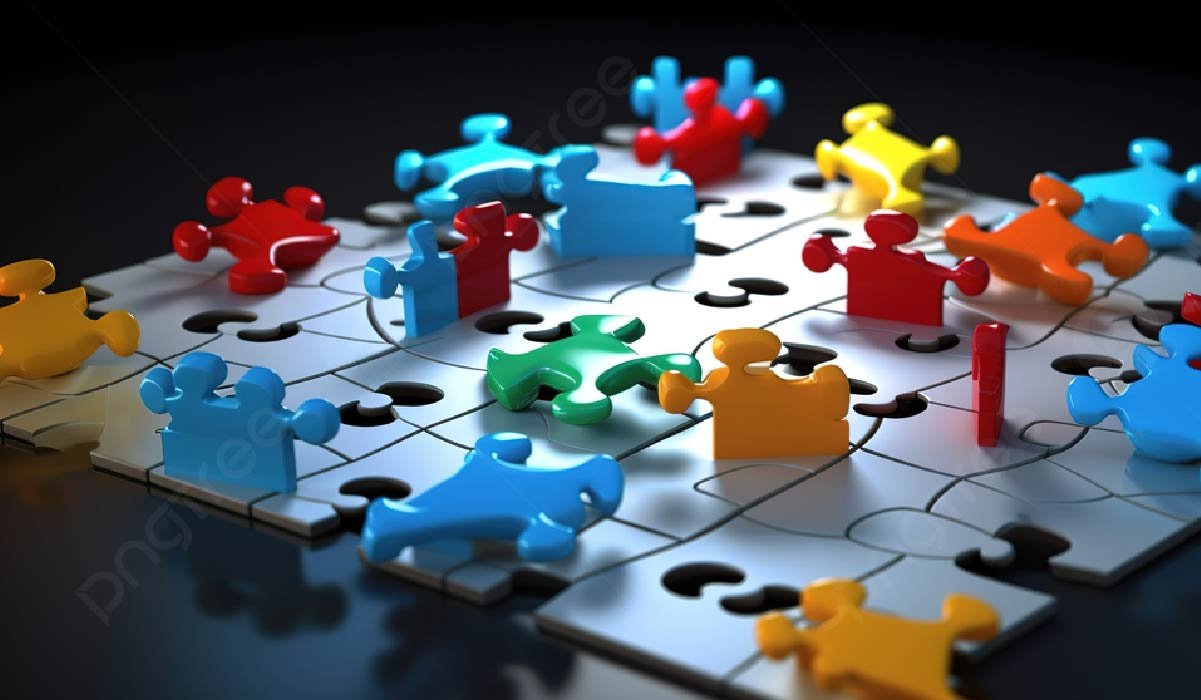
These puzzles rely on recognizing shapes, colors, and patterns. As pieces come together, the solver begins to see the full image form. This type of puzzle strengthens visual awareness, hand-eye coordination, and perseverance.
Logical Puzzles
Logical puzzles require methodical thinking. Each piece of information contributes to a larger conclusion, and solving them strengthens both analytical reasoning and concentration.
Word Puzzles
Word-based challenges activate language centers in the brain. They test memory, vocabulary, and the ability to recognize linguistic patterns. They are especially useful for improving communication and comprehension skills.
Mechanical Puzzles
These puzzles encourage hands-on exploration. By physically manipulating the components—twisting, sliding, unlocking—the solver practices spatial reasoning and tactile awareness.
The Psychology Behind Puzzle Solving
Puzzle solving activates several areas of the brain at once. The analytical side handles logic and structure, while the creative side interprets patterns, shapes, and possibilities—even in hands-on formats such as Texture Puzzles. This dual activation makes puzzles an effective cognitive exercise.
Solving puzzles also reduces stress. The focused, immersive nature of puzzle work encourages a meditative state. Many people find that puzzles help clear mental clutter, making them a quiet and rejuvenating break from daily routines.
Another significant factor is motivation. Each small success—finding a matching piece or solving a difficult clue—releases natural feel-good chemicals in the brain. This creates a cycle of motivation that keeps the solver engaged and focused.
Life Skills Strengthened by Puzzles
Problem-Solving
Puzzles teach you to break down large problems into smaller, manageable steps. This approach is invaluable in school, work, and everyday decision-making.
Patience and Persistence
Most puzzles require consistent, uninterrupted focus. Developing the habit of sticking with a challenge trains the mind to be more resilient and disciplined.
Memory Enhancement
Remembering shapes, patterns, sequences, or clues strengthens both short-term and long-term memory. This can improve cognitive performance in multiple areas of life.
Spatial Awareness
Many puzzles require understanding how different parts relate to one another. This ability helps in real-world tasks such as navigation, design, and planning.
Choosing the Right Puzzle for Yourself
The best puzzle for you depends on your interests and your tolerance for challenge. Beginners often enjoy puzzles with straightforward structures or clear visual patterns. As skills develop, people tend to explore more complex challenges that require deeper thinking.
Children benefit from puzzles that stimulate curiosity, creativity, and fine motor skills. Bright colors and relatable themes help keep them engaged. Adults often lean toward more mentally demanding puzzles that offer deeper satisfaction upon completion. Seniors may prefer puzzles that maintain mental activity without causing strain.
The flexibility of puzzles makes them suitable for any lifestyle. Whether you prefer quiet moments alone or group activities that encourage teamwork, puzzles can easily fit into your routine.
Effective Strategies for Solving Puzzles
Begin by studying the entire puzzle. Understanding the full layout or concept gives you direction. Once you have a sense of the whole picture, shift your focus to smaller sections. Completing one part at a time builds momentum.
Another important strategy is staying patient. Rushing leads to oversight and frustration. Slow, steady progress often leads to better results. If you get stuck, take a short break. The mind often solves problems subconsciously, and a fresh perspective can reveal something you missed earlier.
Maintaining a comfortable, organized workspace also helps. Good lighting, a clear table, and minimal distractions make puzzle solving more enjoyable.
How Technology Has Transformed the Puzzle Experience
Technology has expanded puzzles into new forms of interactive entertainment. Digital platforms allow puzzles to adapt to the solver’s skill level in real time. Animations, visual effects, and responsive feedback enhance the experience, making puzzle-solving more dynamic than ever.
Online communities have also grown rapidly, giving enthusiasts a place to share solutions, discuss techniques, and collaborate on challenging puzzles. This social dimension adds a layer of engagement that traditional puzzles did not always offer.
Despite the digital advancements, the essence of puzzle solving remains the same: the joy of discovery, the challenge of thinking deeply, and the satisfaction of seeing everything come together.
The Creative Side of Puzzles
Puzzles are not just tools for logic—they are also works of art. Many puzzle enthusiasts collect visually stunning pieces, from detailed illustrations to artistic expressions that convey meaning or emotion. Some people create their own puzzles by designing patterns, images, or secret codes, turning puzzle development into a creative craft.
The artistic aspect of puzzles makes them not only mentally engaging but also visually meaningful and enjoyable to display once completed.
Health Benefits Across All Ages
For children, puzzles support early brain development, improving memory, coordination, and problem-solving skills. For adults, puzzles provide an effective way to stay mentally active and reduce stress. For seniors, regular puzzle solving can help maintain cognitive function and slow mental decline.
Puzzles are one of the few activities that simultaneously entertain, educate, and support long-term mental health.
Conclusion
Puzzles are more than simple leisure activities—they are powerful tools for improving the mind, encouraging creativity, and bringing moments of calm into daily life. Their universal appeal lies in their ability to challenge the brain while delivering satisfaction in every solved piece or completed pattern.
Whether you’re exploring visual challenges, language-based puzzles, or hands-on mechanical tasks, each type offers its own unique blend of discovery and mental enrichment. With every puzzle solved, you not only complete the challenge before you but also strengthen your ability to think clearly, patiently, and creatively in everyday life.