Okay, so here’s the thing—you might have heard the buzz about Cytocare skin rejuvenation, maybe scrolling through Instagram while sipping your overpriced latte or hearing a friend whisper about some “game-changing facial.” And honestly? I get it.
The first time I saw it, I honestly thought it looked… almost too good. Like, are we talking science or magic here? But the more I dug in, the more I realized this is not just hype. Cytocare is quietly, but steadily, reshaping how people think about skin health and anti-aging, and honestly, the global momentum is… palpable.
What Exactly Is Cytocare?
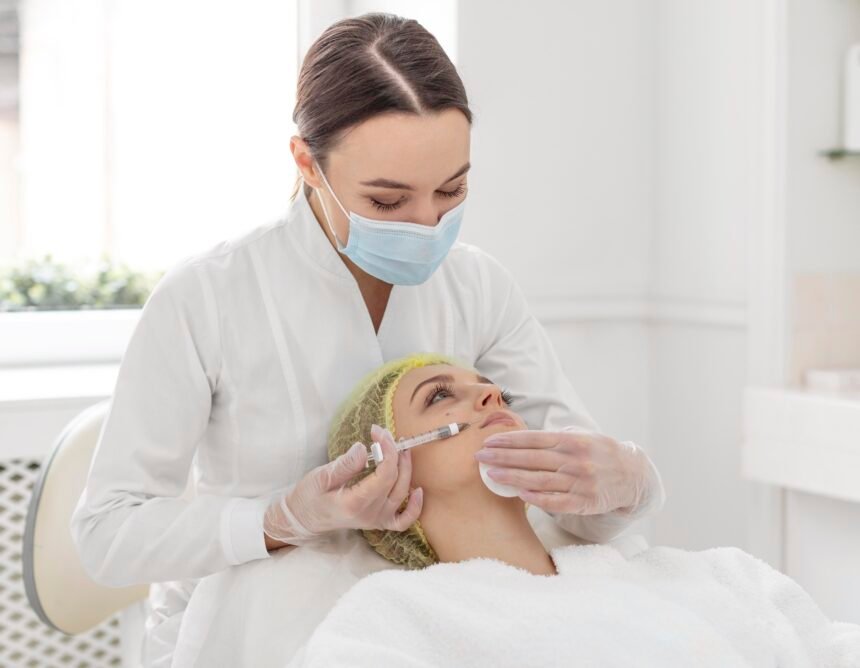
Alright, let’s unpack this. Cytocare is essentially a line of skin rejuvenation treatments that rely on micro-injections of hyaluronic acid combined with a cocktail of vitamins, minerals, and amino acids. The idea is to not just plump up the skin temporarily but actually nourish it from the inside out—like giving your face a vitamin smoothie, but, well, with a tiny needle.
Research backs this up. According to a 2022 study in the Journal of Cosmetic Dermatology, patients receiving regular hyaluronic acid micro-injections reported significant improvements in hydration, elasticity, and overall skin tone. And it’s not just hydration—there’s evidence suggesting enhanced collagen production. (Yup, that elusive “glow” everyone’s chasing.)
I mean, you know how frustrating it is to try everything—creams, serums, masks—and still feel like your skin is, I don’t know… flat? Cytocare promises a slightly different approach: slow, cumulative, almost subtle but noticeable over weeks. And that’s what makes it appealing globally.
Why Everyone’s Talking About It
So, why the hype? Well, partly because it fits into this growing trend of preventative skin health. People aren’t just waiting for wrinkles to appear—they’re trying to delay the timeline.
A 2023 survey by Allure magazine found that 68% of aesthetic medicine patients under 35 are seeking treatments like Cytocare not just for immediate results but for long-term skin wellness. That’s… a lot, when you think about it.
There’s also the versatility factor. Cytocare treatments can be customized—different formulations for fine lines, pigmentation issues, tired-looking skin, or even post-procedure recovery. It’s kind of like the Swiss army knife of skin treatments, but, you know, way more elegant.
Quick Pro Tip:
If you’re curious about trying it, schedule a consultation with a certified practitioner first. Dosages and formulations vary, and what works for one person might be overkill—or underwhelming—for another.
The Science Behind the Glow
Now, I’m not a scientist (well, not in the lab-coat way), but the science is fascinating. The hyaluronic acid in Cytocare attracts and retains water—basically turning your skin into a sponge of hydration.
Add in amino acids and vitamins, and you’re essentially feeding your dermis the building blocks for collagen and elastin. Dr. Laurence Guinot, a cosmetic medicine expert, explains that “Cytocare treatments combine immediate hydration with long-term tissue regeneration, which is why results tend to appear natural rather than ‘done’.”
And yeah, natural is the key word here. Nothing about it screams over-the-top or plastic. There’s this subtle lift, this radiance, almost like your skin remembered what it felt like when you were 22… without the hangover.
Global Momentum: Why It’s Taking Off
Here’s something I didn’t expect: Cytocare is catching on in ways that are almost viral—but quietly. Europe was first, obviously—France, Spain, Italy—but now clinics in Dubai, Singapore, New York, even smaller cities in the U.S. are offering treatments. Why? A few reasons:
- Minimal downtime: You can get a session on your lunch break. Literally. Some people even pop in between meetings and go back to work.
- Cumulative effects: Unlike Botox, which freezes muscles, Cytocare nourishes. Over time, you actually see better skin, not just a frozen look.
- Personalization: Formulations can be adjusted based on skin needs. It’s… flexible.
According to a 2023 Dermatology Times report, Cytocare skin rejuvenation treatments increased by 42% worldwide compared to the previous year. And honestly, I can see why. People want results without looking like they’ve had a ton of procedures.
Quick Table: Cytocare vs Other Skin Treatments
| Feature | Cytocare | Botox/Fillers | Topical Serums |
| Hydration | High (internal) | Moderate | Low-medium |
| Collagen Stimulation | Yes | No | Minimal |
| Downtime | Minimal | Minimal to moderate | None |
| Subtle/ Natural Look | Yes | Mixed | Yes |
| Long-term Skin Health Impact | Strong | Limited | Moderate |
See? There’s a reason aesthetics experts are starting to talk about Cytocare like it’s the next evolution of skin rejuvenation.
Who Should Consider It?
Honestly, almost anyone with a skincare goal beyond moisturizers. Fine lines, dullness, early sagging—Cytocare can help. But, like… I’ve seen people go in thinking it’s a miracle overnight, and it’s not quite that.
Results come gradually, usually over a few sessions spaced a couple of weeks apart. And that’s okay. Patience is underrated in beauty.
Dr. Amanda Chao from the British Journal of Aesthetic Medicine notes, “Patient education is critical. The best results occur when individuals understand that Cytocare is a maintenance and enhancement treatment, not a replacement for lifestyle factors like sleep, nutrition, and sunscreen.” Amen, Dr. Chao. Amen.
My Small Confession
So, I actually tried it once—just a trial session. And… wow. The first few days, I kept touching my face, not because it hurt (it didn’t) but because it felt different. Smoother. Brighter.
And a few weeks later, I looked in the mirror and thought, “Okay, maybe my skincare routine actually caught up with me.” I didn’t feel fake or overdone—just… better. Which, honestly, is rare.
Possible Downsides
Let’s be real. Nothing is perfect. Some people experience mild swelling, tiny bruises, or redness. In rare cases, allergies or sensitivities to the formulation can occur. Cost is another consideration; Cytocare isn’t cheap, especially if you do multiple sessions. And because it’s growing so fast, quality control and practitioner experience vary. So, pick your clinic wisely.
Pro Tip:
Ask about practitioner certification and patient reviews. Not every shiny clinic is equal, and sometimes local hype can make you overlook quality.
The Future of Skin Rejuvenation
Looking ahead, Cytocare might just be the start of a bigger trend. People are moving away from reactive treatments toward proactive, wellness-based approaches. Think of it as… skincare evolution: less about covering up, more about nourishing.
Some researchers are even exploring integrating peptides, growth factors, and advanced biomimetic compounds into future Cytocare formulas. That means we could be talking about seriously next-level rejuvenation in just a few years.
And here’s a reflection: it’s interesting how the conversation around skin health has changed. When I was younger, beauty felt almost performative—lots of covering up and hiding. Now? People are leaning into subtlety, health, and longevity. Cytocare embodies that shift.
Final Thoughts
So yeah… Cytocare skin rejuvenation isn’t some passing fad. It’s a quiet revolution, global in scale, but personal in effect. Maybe it’s not for everyone, and it requires commitment and realistic expectations. But if you’re the kind of person who enjoys the idea of gradually giving your skin the nutrients and support it deserves, it’s worth a look.
Honestly, I think the future of aesthetics is leaning this way: treatments that respect the natural, subtle beauty we already have. And Cytocare, in its understated yet effective way, is leading that charge.
Maybe you’ll try it, maybe you won’t. But at the very least, you’ll probably start thinking about your skin a little differently—and isn’t that a start?