Every cat owner knows that maintaining a clean litter box is essential, yet it remains one of the most challenging aspects of pet care. A hygienic litter box isn’t just about keeping your home fresh—it directly impacts your cat’s health, behavior, and overall quality of life. Cats are naturally fastidious creatures, and a dirty litter box can lead to stress, urinary tract infections, and even behavioral problems like eliminating outside the box.
Traditional litter boxes demand constant attention, requiring daily scooping and frequent deep cleaning to control odors and prevent bacterial buildup. The mess, the smell, and the time commitment can be overwhelming, especially for busy households or those with multiple cats. Self-cleaning litter boxes have emerged as a game-changing solution, automating the most tedious aspects of litter box maintenance while significantly improving hygiene standards.
Whether you’re a veteran cat owner tired of the daily scooping routine or someone looking to optimize your cat care practices, understanding proper litter box hygiene is fundamental. This guide will walk you through everything you need to know about maintaining a spotless litter box environment, with a focus on modern solutions that make life easier for both you and your feline companion.
Understanding Litter Box Hygiene
Litter box hygiene forms the foundation of responsible cat ownership, directly influencing your cat’s physical health and emotional well-being. Cats instinctively seek clean spaces for elimination, and a neglected litter box can trigger stress responses that manifest as inappropriate urination, anxiety, and even aggression. Beyond behavioral concerns, poor litter box hygiene creates breeding grounds for harmful bacteria like E.
coli and parasites such as Toxoplasma gondii, which can cause urinary tract infections, kidney problems, and gastrointestinal issues in cats. For humans sharing the space, these pathogens pose legitimate health risks, particularly for pregnant women and immunocompromised individuals.
Traditional litter boxes present persistent challenges that frustrate even the most dedicated cat owners. Odor control remains the primary complaint, as ammonia from urine accumulates rapidly, permeating living spaces and creating an unpleasant environment. The daily scooping ritual, while necessary, often gets delayed due to busy schedules, allowing waste to sit longer than recommended.
Tracking litter throughout your home adds to the mess, while inadequate cleaning allows bacterial colonies to flourish in hidden crevices. Multi-cat households face amplified difficulties, as waste accumulates faster and territorial cats may refuse to share contaminated boxes. These compounding issues make maintaining consistent hygiene standards genuinely difficult with conventional litter box systems, driving many cat owners to seek more effective solutions.
Introducing Self-Cleaning Litter Boxes
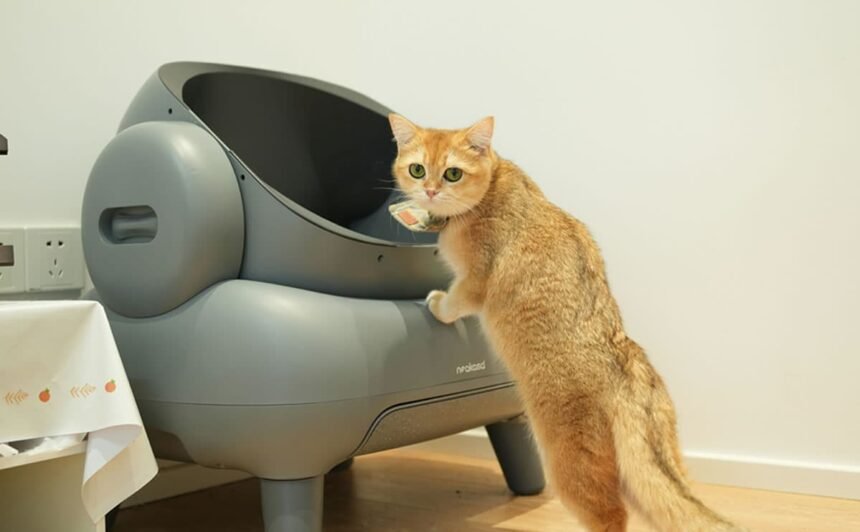
Self-cleaning litter boxes represent a technological leap in pet care, automating the waste removal process that traditionally demanded daily manual intervention. These innovative systems use sensors to detect when your cat exits the box, triggering an automatic cleaning cycle that rakes, sifts, or rotates to separate clumps from clean litter.
The waste gets deposited into a sealed compartment or disposable receptacle, isolating odors and preventing bacterial spread. Most models operate on timers, allowing customizable delay settings that give litter adequate time to clump before the cleaning mechanism activates. This automation transforms litter box maintenance from a daily chore into a weekly task of simply emptying the waste container.
The benefits extend far beyond convenience. Self-cleaning litter boxes dramatically reduce odor by removing waste within minutes rather than hours, preventing ammonia buildup that permeates traditional boxes. This constant freshness encourages cats to use their litter box consistently, reducing accidents elsewhere in your home.
The sealed waste compartments contain smells effectively, making them ideal for apartments or smaller living spaces where odor control is critical. Hygiene improvements are substantial—automated cleaning minimizes your contact with waste while ensuring the litter bed remains consistently clean throughout the day. For multi-cat households, these systems handle higher waste volumes without requiring proportionally more maintenance effort.
Many models, including those from brands like Meowant, include health monitoring features that track elimination frequency and duration, providing early warning signs of potential medical issues. The time savings alone justify the investment for busy professionals, elderly cat owners with mobility challenges, or anyone who travels frequently and needs reliable care solutions. While initial costs exceed traditional boxes, the long-term benefits in hygiene standards, odor management, and quality of life make self-cleaning litter boxes a worthwhile upgrade for serious cat owners.
Choosing the Right Clumping Litter
Selecting the appropriate clumping litter is crucial for maximizing your self-cleaning litter box’s performance while safeguarding your cat’s health. The ideal litter forms tight, solid clumps that hold together during the automated cleaning cycle without breaking apart or jamming the mechanism. Look for litters specifically labeled as compatible with automatic systems, as these formulations are engineered to withstand mechanical raking and sifting.
Clay-based clumping litters remain the most reliable choice, with sodium bentonite varieties offering superior clumping strength. Natural alternatives like corn, wheat, or walnut-based litters can work well, though they may require testing to ensure compatibility with your specific model. Avoid lightweight or crystal litters unless your manufacturer explicitly recommends them, as these can interfere with sensors or fail to clump adequately.
Safety considerations should guide your selection process beyond mechanical compatibility. Choose unscented or naturally scented options, as artificial fragrances can irritate your cat’s sensitive respiratory system and discourage litter box use. Dust-free formulations protect both feline and human lungs from particulate irritation, particularly important in households with asthma or allergies. Check that the litter is non-toxic if ingested, since cats inevitably ingest small amounts during grooming. For kittens under four months, opt for non-clumping alternatives to prevent intestinal blockages if consumed. Test new litters gradually by mixing them with your current brand over several days, monitoring your cat’s acceptance and the self-cleaning system’s performance. The right clumping litter creates a harmonious balance between effective waste management, mechanical reliability, and your cat’s comfort and safety.
Regular Maintenance Tips for Self-Cleaning Litter Boxes
While self-cleaning litter boxes automate daily waste removal, they still require regular maintenance to function optimally and protect your cat’s health. Empty the waste drawer or receptacle at least once weekly, or more frequently in multi-cat households where waste accumulates faster. Most systems include indicator lights or app notifications that alert you when the compartment reaches capacity, preventing overflow that could jam the mechanism.
Every two to four weeks, perform a complete litter refresh by emptying the entire box, discarding old litter, and adding fresh material to the manufacturer’s recommended fill line—typically two to three inches deep. This prevents the buildup of fine particles that can clog sensors and ensures adequate clumping depth.
Deep cleaning should occur monthly to eliminate bacterial growth and maintain sensor accuracy. Unplug the unit and remove all litter, then wash the interior surfaces with warm water and mild, unscented dish soap or a pet-safe enzymatic cleaner. Avoid harsh chemicals like bleach or ammonia-based products, which leave residues that repel cats and can damage plastic components.
Pay special attention to corners, rake teeth, and sensor areas where waste particles accumulate. Rinse thoroughly and dry completely before refilling, as moisture interferes with clumping and promotes bacterial growth. Wipe down the exterior weekly with a damp cloth to remove dust and tracked litter.
Preventive maintenance extends your unit’s lifespan and prevents costly repairs. Inspect the rake or rotating mechanism monthly for hair tangles or debris that could impede movement, removing obstructions carefully. Check that sensors remain clean and unobstructed, as litter dust can coat detection windows and cause malfunction. Replace carbon filters every one to three months depending on usage, as saturated filters lose odor-controlling effectiveness.
Keep replacement parts like waste receptacle liners and filters stocked to avoid maintenance delays. This consistent care routine prevents urinary tract infections, respiratory issues from ammonia exposure, and behavioral problems stemming from inadequate hygiene, ensuring your self-cleaning litter box delivers maximum health benefits for your cat while minimizing your maintenance burden.
Common Issues and Solutions
Even the most reliable self-cleaning litter boxes occasionally encounter operational hiccups that can disrupt their performance. One frequent issue involves incomplete clumping, where waste breaks apart during the cleaning cycle, scattering debris throughout the litter bed. This typically stems from insufficient litter depth—add more litter until you reach the recommended three-inch fill line, ensuring adequate material for proper clump formation. If the problem persists, your litter quality may be inadequate; switch to a premium sodium bentonite clay litter with superior binding properties. Another possibility is that the cleaning cycle activates too quickly before clumps fully harden; increase the delay timer to 15-20 minutes post-exit, giving urine sufficient time to solidify.
Persistent odors despite regular waste removal indicate several potential problems requiring different solutions. First, check whether the waste drawer is full or the carbon filter has reached saturation—replace filters monthly and empty receptacles before they overflow. If odors continue, perform a complete deep clean, as bacterial colonies may have established themselves in hidden crevices or on sensor surfaces.
Use an enzymatic cleaner specifically designed for pet odors, which breaks down organic compounds rather than merely masking smells. Ensure adequate ventilation in the litter box area, as stagnant air concentrates ammonia regardless of cleaning frequency. For stubborn cases, sprinkle a thin layer of baking soda beneath the litter to neutralize odors naturally without irritating your cat’s respiratory system.
Mechanical malfunctions can range from minor annoyances to complete system failures. If the rake or rotating mechanism stops mid-cycle, immediately check for obstructions—cat hair wrapped around axles or large clumps jamming the mechanism are common culprits. Power off the unit, manually clear any blockages, and test the cycle without litter to ensure smooth operation before refilling.
Sensor failures that prevent automatic activation often result from dust coating detection windows; carefully clean sensor areas with a dry microfiber cloth monthly. If your cat triggers the sensor but the cycle doesn’t start, verify the delay timer settings haven’t been accidentally adjusted and confirm the unit has power. Unusual grinding noises suggest worn gears or motor strain, typically caused by overfilling litter beyond capacity or using incompatible litter types that create excessive resistance.
Behavioral issues sometimes arise when cats reject newly installed self-cleaning units. If your cat refuses to enter the box, the motor noise during cleaning cycles may be frightening them. Run several empty cycles while your cat is in another room, gradually acclimating them to the sound before introducing litter. Place the self-cleaning box beside their old box initially, allowing voluntary transition rather than forced change. Some cats dislike the different texture or depth of litter in automated systems—experiment with litter types and depths until you find a combination your cat accepts.
If your cat eliminates beside rather than inside the box, the entrance may feel too confined or the interior too small for comfortable turning; consider upgrading to a larger model designed for bigger breeds. For multi-cat households where one cat guards the automated box, add a second unit in a separate location to prevent territorial conflicts that compromise hygiene for subordinate cats.
Enhancing Cat Litter Box Hygiene
Beyond the self-cleaning mechanism itself, several supplementary products and practices can elevate your litter box hygiene to exceptional standards. Litter box liners offer a protective barrier between waste and the box surface, simplifying deep cleaning sessions by allowing you to lift out all contents in one motion. Choose heavy-duty liners designed specifically for automatic systems, as standard grocery bags tear easily during cleaning cycles. Some cats dislike the texture or rustling sound of liners, so monitor your cat’s behavior after introduction and discontinue use if they avoid the box. Antimicrobial litter box mats placed directly outside the entrance trap tracked particles before they spread throughout your home while preventing bacterial growth on their textured surfaces. Wash these mats weekly with hot water to maintain their effectiveness.
Odor-neutralizing products provide an additional defense layer against persistent smells. Sprinkle baking soda or specialized odor-eliminating granules beneath your litter layer to absorb moisture and neutralize ammonia naturally without overwhelming your cat’s sensitive nose. Avoid scented sprays or plug-in air fresheners near the litter box, as strong fragrances can repel cats and discourage proper use. Instead, position an air purifier with a HEPA filter nearby to capture airborne particles and reduce ambient odors throughout the room.
Environmental factors significantly impact litter box hygiene regardless of your equipment quality. Place your self-cleaning unit in a well-ventilated area away from your cat’s food and water bowls, as cats instinctively avoid eliminating near eating spaces. Maintain consistent room temperature and humidity levels, since excessive moisture prevents proper clumping and promotes bacterial proliferation.
Ensure adequate lighting so your cat feels secure using the box, but avoid placing it in high-traffic areas where constant activity creates stress. For multi-level homes, provide one litter box per floor to accommodate your cat’s natural preference for convenient access, reducing accidents caused by distance or mobility limitations.
Achieving Optimal Litter Box Hygiene
Maintaining exceptional litter box hygiene requires a combination of the right equipment, quality materials, and consistent maintenance practices. Self-cleaning litter boxes transform this essential responsibility from a daily burden into a manageable weekly task, delivering superior odor control and hygiene standards that benefit both cats and their owners. Pairing your automated system with premium clumping litter, performing regular deep cleanings, and addressing issues promptly ensures optimal performance and longevity.
Remember that your cat’s health depends directly on litter box cleanliness—urinary tract infections, behavioral problems, and stress all stem from inadequate hygiene. Empty waste receptacles weekly, refresh litter monthly, and deep clean the entire unit every four weeks without exception. Monitor your cat’s elimination habits for changes that might signal health concerns, and maintain proper litter depth to ensure effective clumping. Position your litter box in quiet, well-ventilated areas away from food bowls, and provide multiple units in multi-cat households to prevent territorial conflicts.
Take action today by evaluating your current litter box setup and identifying areas for improvement. Whether upgrading to a self-cleaning system or optimizing your existing routine, every step toward better hygiene directly enhances your cat’s quality of life. Your feline companion deserves a consistently clean environment, and with modern solutions and proper maintenance, achieving that standard has never been more attainable.