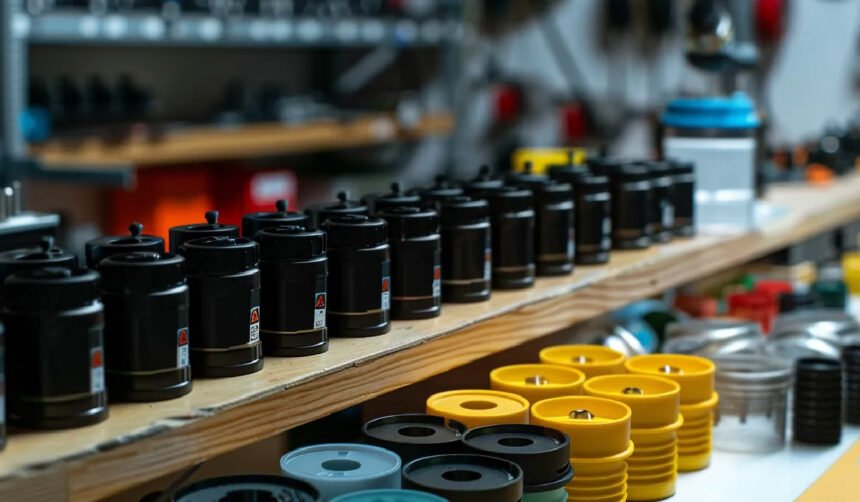
When embarking on an industrial project, the selection of accessories like caps and plugs is not to be taken lightly. These small components play a crucial role in protecting equipment against contamination, damage, and environmental factors. Their applications can range from sealing fluid lines to guarding the ends of machine parts. Understanding which cap or plug to use in your specific scenario can make a significant difference in the success and longevity of your project. Below, we delve into the essential criteria to consider during your selection process.
Understanding the Importance of Proper Cap and Plug Selection
The inherent value of selecting the appropriate cap or plug cannot be overstated. Using the wrong type can lead to premature wear, system failures, or safety hazards. Caps and plugs are designed to safeguard against debris, moisture, and other contaminants that can impair machinery or corrupt materials. Ensuring that the right protective component is used is foundational to maintaining operational integrity and extending the lifespan of machine parts. Professional suppliers, such as Caps and Plugs, offer an array of options to suit various industry requirements.
Moreover, the choice of caps and plugs has a significant impact on the project’s functionality. In certain environments, these components must withstand extreme temperatures, corrosive substances, or significant pressure differentials. The significance of correct selection also extends to logistics; the use of a proper cap or plug can streamline installation and removal processes, thus saving time and reducing labor costs in manufacturing and maintenance operations.
For instance, the difference between using a standard plug and one designed for high-pressure environments can dramatically impact the effectiveness of the seal. Each is designed with precision to meet the specifications of distinct applications, ensuring that every project component is given the suitable degree of protection.
Key Material Considerations for Durability and Performance
The choice of material for caps and plugs is paramount in securing durability and optimal performance. Materials such as rubber, plastic, silicone, and metal each have unique properties that make them suitable for different situations. For instance, rubber plugs can provide excellent flexibility and sealing capabilities, whereas metal caps might offer superior strength and resistance to high temperatures.
When considering the material, one must not only look at the immediate functional needs but also take into account the longevity of the product. Materials that are resistant to UV rays, chemicals, and abrasion can prevent frequent replacements and ensure that the cap or plug offers reliable performance throughout the expected lifespan of the application.
Furthermore, environmental factors play a substantial role in material selection. If the cap or plug will be exposed to outdoor conditions, materials that can endure the rigors of varying weather patterns are vital. Conversely, for applications within controlled environments, such as clean rooms or laboratories, materials that minimize particle shedding are often preferred.
Assessing the Compatibility With Project Materials

Compatibility is key when it comes to incorporating caps and plugs into any project. The interaction between these components and the materials they will be in contact with is critical to avoid adverse reactions, such as chemical corrosion or material degradation. For instance, a silicone plug might be selected for its compatibility with certain plastic types, as it avoids material leeching that could compromise the component.
The complexities of chemical and mechanical compatibility can be daunting, but with detailed specifications and possible consultation with experts, selecting the right cap or plug becomes a more navigable process. Assessing the end-use scenario of the components and understanding potential interactions can prevent compromises to the project’s structural integrity and ensure seamless functionality.
Understanding the relevant standards applicable to your project is also crucial for selecting the appropriate materials. Certifications such as the Restriction of Hazardous Substances Directive, Registration, Evaluation, Authorisation and Restriction of Chemicals, or Food and Drug Administration compliance can greatly influence which materials are deemed acceptable for use in specific applications. This knowledge ensures that chosen products not only perform their intended function but also do so without contravening regulatory constraints.
The proper selection of caps and plugs is a consequential decision in the planning and execution of industrial projects. It requires a thorough understanding of the project’s specific needs, including climate conditions, compatibility issues, and regulatory requirements. The attention given to such details can have a lasting impact on the efficiency, safety, and success of the final output. By considering these tips and consulting with reputable suppliers, one can ensure that the caps and plugs chosen will contribute positively to the project’s outcomes.
For More Information Visit Dotmagazine