
A charger’s efficiency determines how effectively it converts energy from the wall outlet into usable power for your devices. High efficiency means less wasted energy, lower heat output, and faster, more stable charging. Many factors influence this performance—from internal components to the quality of your cables and outlets. Understanding these elements helps you choose better charging tools and develop habits that maximize energy conversion. Modern chargers, such as the Anker 735 Charger (Nano II 65W), take advantage of advanced engineering to deliver reliable and efficient power across phones, tablets, and USB-C notebooks. Before considering upgrades, it’s important to understand what truly affects efficiency.
The Components Inside a Charger That Shape Efficiency
The Power Conversion System Determines the Efficiency Rate
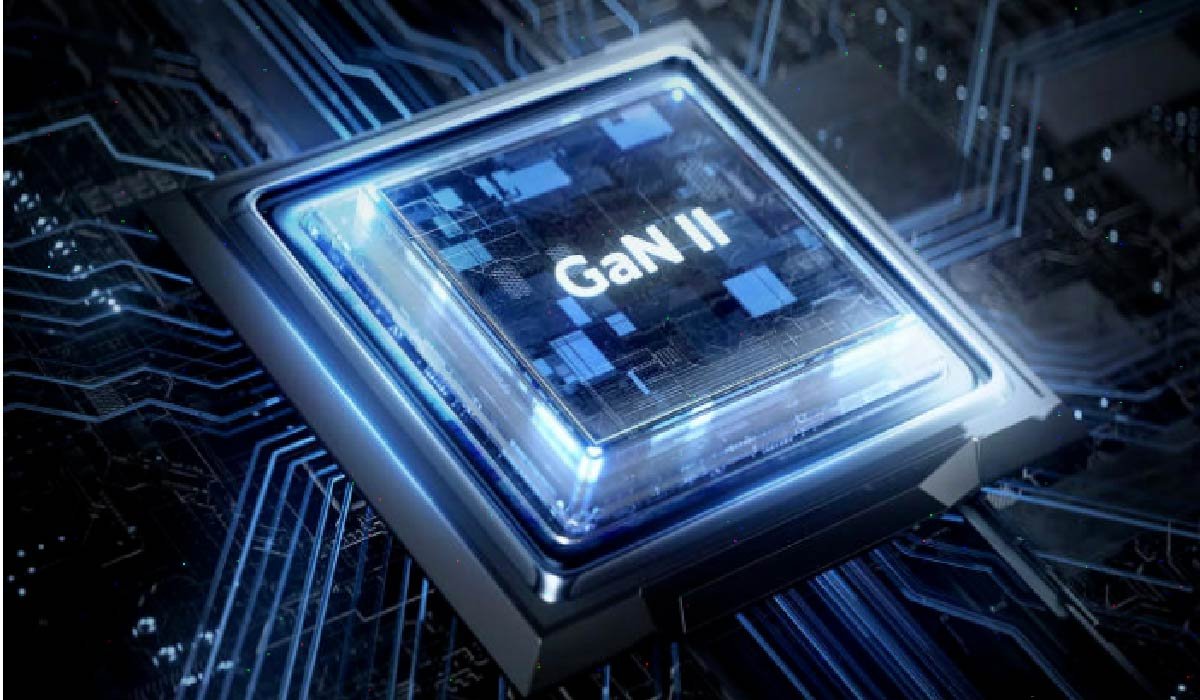
Every charger converts AC power from your wall outlet into DC power your device can use. This conversion process influences how much energy gets lost along the way. Chargers with older designs may lose more energy as heat, while modern chargers use improved circuitry to minimize this waste. High-quality components ensure smoother transitions and reduce resistance within the system. With advanced materials like GaN II technology, chargers can convert power more efficiently in a smaller form factor. The Anker 735 Charger (Nano II 65W) demonstrates this idea by using updated circuit structures that help manage energy flow smoothly without drawing unnecessary power.
Voltage Regulation Affects Smooth and Stable Output
Voltage regulation is essential for maintaining efficient charging. A charger continuously monitors voltage levels and adjusts output to fit the device’s needs. When this regulation performs well, the device receives consistent power without dips or spikes. Poor regulation forces the charger to use extra energy to compensate for unstable flow. Modern chargers use intelligent chips that manage voltage with precision, ensuring consistent power delivery. This not only protects your device but also increases the efficiency of every charging session. Smooth regulation becomes especially important when powering larger devices or multiple devices at once.
Heat Management Plays a Direct Role in Efficiency
Heat is one of the main enemies of efficiency. When a charger warms up, it loses energy through thermal output. Components must work harder under high temperatures, reducing the efficiency of energy conversion. Chargers built with better materials and thermal designs maintain lower temperatures even under heavier loads. Efficient heat management contributes to longer lifespan, safer performance, and better power usage. Chargers built with GaN technology naturally produce less heat while maintaining strong output. This helps users enjoy stable charging without worrying about excessive warmth.
External Conditions and Daily Habits That Influence Efficiency
Cable Quality Influences Energy Flow and Performance
A charger can only work as efficiently as the cable allows. Poor-quality cables create resistance, causing the charger to use more energy to deliver the same amount of power to your device. This resistance leads to slower charging, increased heat, and lower efficiency overall. Using strong, reliable cables improves power transfer and helps maintain stable efficiency across all devices. This is why people often invest in higher-quality accessories when choosing an iphone charger or charging multiple devices at home. A dependable cable allows the charger to operate at its optimal level.
Outlet Conditions Affect the Charger’s Power Conversion
Not all outlets are equal. Older or worn outlets may deliver inconsistent voltage, causing the charger to work harder to maintain stable output. Power strips, extension cords, and heavily shared circuits also affect energy flow. When the incoming power fluctuates, the charger must correct these issues internally, using additional energy in the process. Keeping your charging setup simple—using a stable wall outlet with minimal interference—helps preserve efficiency. Clean contacts, strong grip tension, and well-wired circuits make it easier for chargers to maintain optimal performance.
Multi-Device Charging Impacts Distribution Efficiency
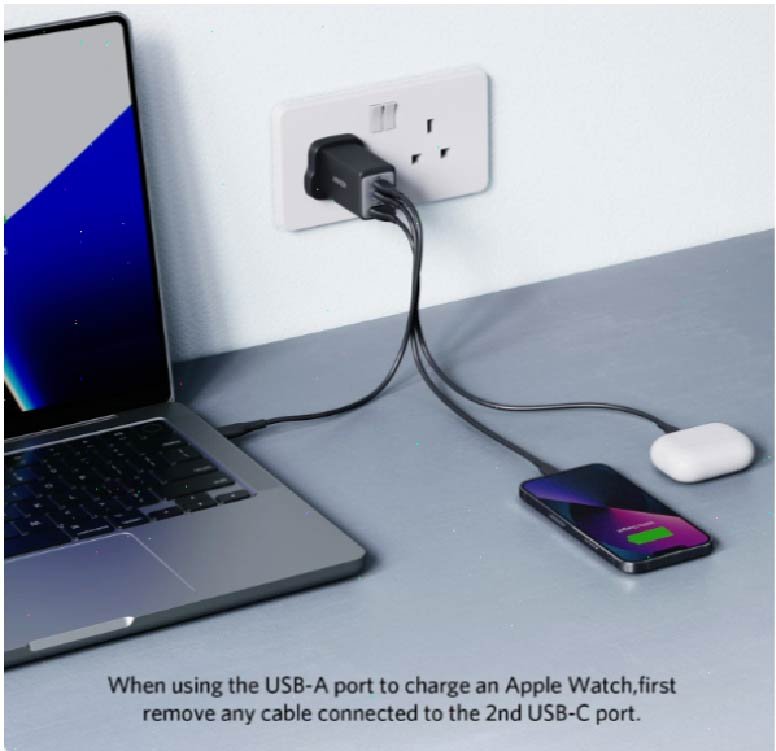
When a charger powers multiple devices at once, it must distribute energy intelligently. A well-designed charger does this efficiently, ensuring that each port receives appropriate power without overloading the system. If the charger lacks smart distribution, efficiency may decrease. Modern multi-port chargers, like the Anker 735 Charger (Nano II 65W), share power intelligently and maintain consistent performance even when powering a notebook, tablet, and phone simultaneously. This reduces stress on the charger and optimizes energy usage across all connected devices.
Conclusion
A charger’s efficiency depends on its internal components, voltage regulation, heat management, cable quality, outlet conditions, and power distribution. When these factors work well together, you get faster charging, less heat, and more reliable performance. Understanding what influences efficiency helps you make smarter choices for your home charging setup. Modern chargers designed with advanced materials and intelligent power management—such as the Anker 735 Charger (Nano II 65W)—fit naturally into efficient routines because they deliver stable power across multiple devices without unnecessary energy loss. By combining smart habits with reliable accessories, you improve power efficiency and support safer, smoother charging for every device you use.