
What Research Says About Using Beauveria bassiana to Protect Tomatoes from Whiteflies

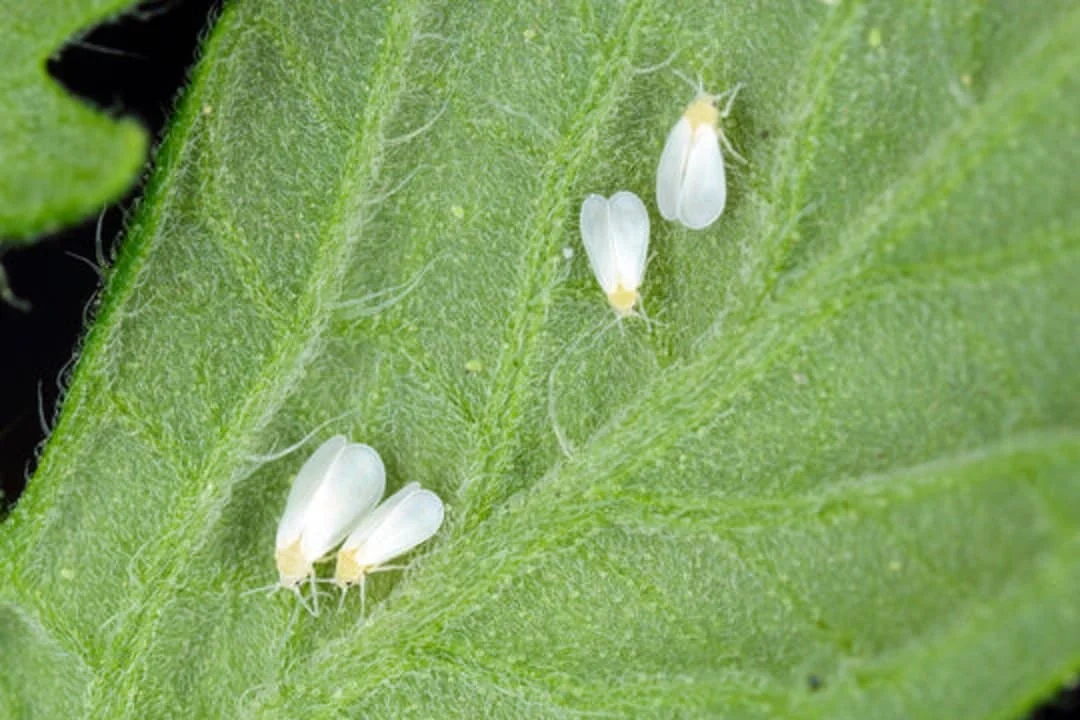
The whiteflies are one of the most infesting and harmful insects that attack tomatoes across the globe. Their high reproduction rate, tolerance to chemical insecticides and the capacity to infect plant viruses that cause devastating losses to plants has placed them as an important enemy of the greenhouse and open field cultivators. In the face of these challenges, the agricultural community has looked anew at solutions to the biological control of pests, and few are as promising–nor as well studied–as the fungus Beauveria bassiana, an entomopathogen, that of which is most familiarly known as the killer of coffee berry Borers.
Laboratory-Confirmed: The Beauveria bassiana and its approach towards Whiteflies
The years of studies reveal that Beauveria bassiana is a good control biologico de mosca blanca. As opposed to normal chemical sprays that whiteflies develop their immunity to quickly, B. bassiana successfully delivers its sprays by adhering its spores to the body of the pest and subsequently germinating and eventually breaking into the cuticle to kill the insect internally. Greenhouse and laboratory experiments indicate mortality above 80 percent in all phases of the life cycle of the whitefly, eggs, nymphs and adults-more efficient than the chemical alternatives in some cases. Besides, the fungus uses very distinct biochemical actions and it flooded out the immune response of the whitefly and its genetic level immunity has been uncovered through superior transcriptomic research.
Extraneous Value: Strengthening Tomato Plant Defense
New studies have found a promising synergy- tomato leaves inoculated with Beauveria bassiana do not only resist direct whitefly feeding; they also possibly have an improved innate immunity. In various studies, tomatoes treated with B. bassiana expressed important defense-related proteins, including those involved in defense phenylpropanoid pathways and jasmonic acid production leading to resistance to pests and secondary diseases. “ Priming effect” refers to the fact that tomatoes react quicker and more forcefully to repeated pests attacks once new attacks have occurred, which lessens the necessity of repeated measures.
The promise of Beveria WP Real-World Success
Among the outstanding commercial formulations is Beveria WP, which is transforming the way tomato is being controlled by pests. Beveria WP gives farmers an economical/safe race-free, and non-residual technology to control outbreaks of whiteflies due to its active ingredient, Beauveria bassiana. Beveria WP, when applied as a foliar spray suspension (usually at 0.5 g–1g/liter of water) and applied thoroughly to the surfaces of the leaves, forms an immunizing coat of conidial spores on the plant. The field and greenhouse tests indicate that on a sustainable basis, applications could be made every 7 10 days to keep the whitefly populations down with minimal risk of damage to beneficial insects, pollinators or human handlers.
Beveria WP has a differentiating factor in its broad range of efficacy enabled by the same biological mechanism: not only does it take care of the whiteflies, the same effect is shared with the thrips, aphids, and other soft-bodied pests.
Why Whitefly Biological Control Beats Chemicals
Chemical remedies are, in many cases, fast acting, but carry with them alarming baggage: increasing resistance very quickly, environmental contamination, contamination of crops, and a shift within the natural balance of predators and pollinators. There are pitfalls that biologicals such as Beauveria bassiana do not fall into. They are not harmful to people, pets, pollinators, or the general ecosystem- a matter of interest to recent tomato producers and consumers. Studies indicate that B. bassiana repeated use does not only not diminish over time, but also integrates well with other means of biological or cultural control (i.e. release of natural whitefly predators and crop condition scaling toward optimum humidity and plant health).
Best Practices in applications
To get the optimal outcome when using beauveria bassiana insecticida products such as Beveria WP:
- Use under moderate and high relative humidity levels owing to the affinity of fungus to germinate and infect under such conditions.
- Focus on undersides of leaves, excellent feeding and breeding areas of whiteflies.
- Reapply after every 7-10 days of the pressure period of the whiteflies, or with heavy rainfalls or irrigation, to re-establish the protective layer of the spores on the plant.
- Reconstitute and mix thoroughly so that conidia are evenly distributed over the top of plants.
The Evidence-Based Hangover
In the modern times, there are numerous studies in the laboratory, green house as well as in the field that support sustainable control of tomato whitefly through Beauveria bassiana spray programs. Its ability as a known pest killer, nontoxicity to organic and IPM protocols as well as its positive effects on plant health make it a platform of future-proof pest management avenues. With this proven fungal weapon, Beveria WP has taken the forefront of the change to truly environmentally sound horticulture and although pests are resilient, tomatoes, along with their growers, can flourish.