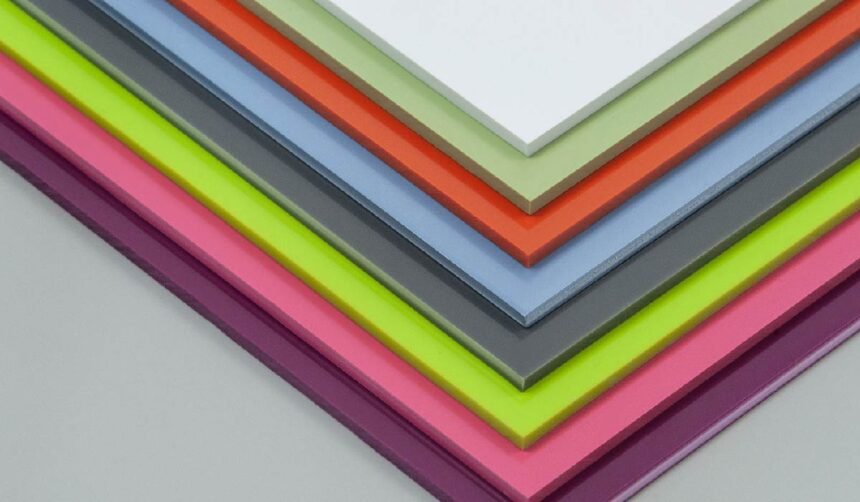
Modern facilities face constant pressure to stay clean, safe and cost effective, and worn surfaces can make that harder than it should be. Wall finishes that stain, crack or trap moisture slow your team down and increase the risk of repeat maintenance.
White hygienic wall cladding gives you a simple way to refresh busy areas without constant repairs or long closures. Carry on reading to see how you can use it to support cleaner, safer and more efficient spaces.
Why White Cladding Works in Commercial Environments
If you run a healthcare site, commercial kitchen, school or processing area you rely on surfaces that support strict hygiene checks. White PVC cladding provides a slick finish that helps reduce moisture build up and makes routine cleaning easier for your teams. This keeps high touch spaces in better condition even when traffic is heavy.
You can install white hygienic wall cladding sheets in areas where fast visual checks matter because the light finish highlights marks and early damage. This lets maintenance teams act quickly before problems spread and helps you keep disruption under control.
Easier Everyday Use and Maintenance
White cladding brightens corridors, washrooms and service spaces so staff can identify spills and dirt sooner. This improves confidence in hygiene standards and supports regular compliance checks. The surface wipes clean with standard products so cleaners can stay on schedule without switching to specialist routines.
The sheets can be trimmed onsite so you can work around corners, service points and equipment without removing large sections of wall. This reduces the time needed for upgrades and helps you keep essential areas open.
Planning a Smooth Installation
Upgrading wall finishes in an active building can be challenging because you must keep staff, visitors and operations moving safely. A short planning session with your contractor helps you agree which walls are strong enough for over cladding and which need light repairs first. This keeps your budget accurate and avoids surprises during installation.
Once the scope is clear, walk the routes for deliveries and waste so you keep materials away from public areas. This protects your building from dust, and ensures visitors feel safe while work is underway.
Coordinating Work With Your In-House Teams
Share a simple installation plan with estates staff and department leads so they can prepare their teams. Identifying quiet periods for noisy works helps you control disruption and keep pressure off neighbouring rooms.
Most systems include matching trims for corners and edges so you achieve a continuous surface that is quick to maintain. Ask installers to check every cutout around sockets and switches thoroughly, because well-sealed edges prevent moisture tracking behind the sheets.
Installation quality affects how well your walls perform over time. Adhesives must suit the building’s substrate so panels stay secure. Properly sealed joints limit dirt build up and make compliance checks easier since inspectors can see that surfaces stay intact.
Ongoing Hygiene Requirements
Once installed, your focus shifts back to day-to-day operations. A clear cleaning schedule helps staff use the right products so the surface stays bright and smooth. White cladding needs no harsh chemicals so it fits easily into existing routines.
Add simple inspections for scratches, lifting joints or sealant breaks to your normal rounds so small issues don’t turn into larger repairs. Quick touch-ups keep hygiene standards high and provide reassurance during audits since walls remain easy to clean and easy to assess. Over time, this reduces maintenance strain and keeps your facility looking well managed.
Wrapping Up
White hygienic wall cladding gives you a practical way to keep busy spaces clean, safe and presentable without complex upkeep. When you plan installation carefully and support it with simple checks, you gain a surface that helps teams work efficiently and keeps standards high throughout your site.
This durable and long-lasting solution helps you maintain a professional environment that remains easy to manage as your facility grows and changes. It also supports long-term asset protection so your building continues to perform well without constant intervention.