
A Brutal Game That Breeds Exploits
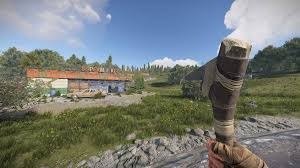
Rust is one of the most unforgiving survival games ever released. You spawn naked, struggle to craft even the most basic tools, and fight to keep a base alive against other players who want to take everything you have. This kind of high-stakes gameplay creates a fertile ground for hacks, because one mistake can cost you hours of progress.
When survival is this harsh, some players look for shortcuts — and cheats become tempting. That’s why the Rust community has always been a hotspot for aimbots, wh (wallhack), ESP overlays, and private paid hacks.
Why Cheaters Multiply in Rust
There are a few big reasons why Rust attracts so many hackers:
- Harsh punishment for losing: Dying in Rust can erase days of work, so players justify cheating as “leveling the field.”
- Strong PvP focus: Battles decide everything, so a single advantage like aim + wh can dominate servers.
- Constant updates: Each new patch creates a cat-and-mouse game between cheat developers and anti-cheat systems.
And it’s not just limited to English-speaking players. Many players from Russian forums search for terms like rust читы, showing that the demand for hacks is global, crossing both language and regional barriers.
The Role of Private & Paid Hacks
Public cheats are usually free but get patched quickly and often trigger bans. Private or paid builds are limited to fewer users, updated more frequently, and promise a lower detection rate. That exclusivity is what keeps them alive longer.
These packages typically combine:
- Aim / aimbot for precise lock-on targeting.
- WH / wallhack to see through structures, giving constant awareness.
The Endless Cycle
Rust developers update anti-cheat systems, cheat makers release new bypasses, and the cycle repeats. This arms race ensures that cheating in Rust will never fully disappear. As long as the game punishes failure so harshly, there will always be players looking for an advantage — whether through free hacks or private, paid tools.