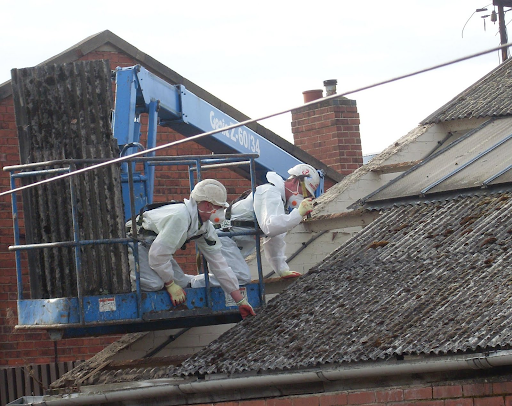
Older buildings are a defining feature of London’s landscape. From Victorian terraces to mid-century office blocks, these structures add character and history to the city. However, age also brings hidden risks. Materials, building methods, and safety standards used decades ago are often very different from those required today. This is why professional hazard assessments are especially important for older buildings.
A hazard assessment helps identify potential risks that may not be visible during everyday use. For property owners, managers, and occupants, understanding these risks is essential for maintaining safe and healthy environments.
The Unique Nature of Older Buildings in London
London has one of the oldest and most varied building stocks in the UK. Many properties were constructed long before modern health and safety regulations existed. Over time, these buildings may have been extended, refurbished, or converted for new uses, sometimes without fully addressing underlying hazards.
Older buildings often contain materials and systems that were once considered safe but are now known to pose risks. Without professional assessment, these hazards can remain hidden for years.
Changes in Use Over Time
A building originally designed as a family home may now function as offices or rental flats. Increased occupancy and modern equipment place new demands on old structures, increasing the importance of understanding potential hazards.
Outdated Construction Materials and Methods
Construction practices have evolved significantly over the last century. Older buildings may include materials that no longer meet current safety standards. These materials can deteriorate with age, increasing the risk to occupants.
Professional hazard assessments focus on identifying such materials and evaluating their condition. This is particularly important in London, where renovation and redevelopment are common.
Wear and Tear From Decades of Use
Over time, natural wear and tear can weaken building components. Cracks, water ingress, and aging finishes can all contribute to hidden hazards that are not immediately obvious.
Asbestos and Other Legacy Hazards
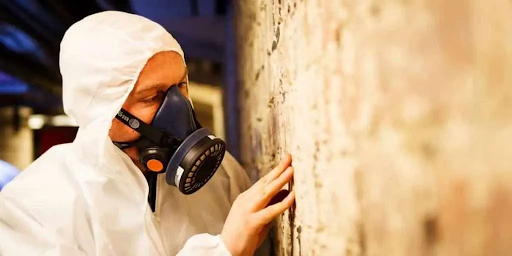
One of the most well-known risks in older buildings is asbestos, which was widely used for insulation and fire protection throughout much of the 20th century. While it can remain harmless if undisturbed, damage or renovation may release dangerous fibres into the air. To manage this risk safely, arranging an Asbestos Survey Service London is an important step, as it helps identify any asbestos-containing materials and assess their condition.
Electrical Systems That No Longer Meet Modern Needs
Electrical systems in older buildings were designed for far fewer appliances than are used today. Modern living and working patterns place much higher demands on wiring, sockets, and distribution boards.
Outdated electrical installations can increase the risk of overheating, power failures, and fire. A hazard assessment reviews these systems to identify potential weaknesses and safety concerns.
Adapting Old Systems to Modern Use
Without assessment, property owners may rely on temporary solutions such as extension leads, which can create further risks. Professional evaluation supports safer long-term planning.
Structural Changes and Hidden Damage
Older buildings may have undergone multiple alterations over the years. Walls may have been removed, floors reinforced, or extensions added. If these changes were not properly documented or assessed, they could introduce structural risks.
Professional hazard assessments consider the building as a whole, identifying areas where past changes may have affected safety or stability.
Damp, Mould, and Ventilation Issues
Damp is a common issue in older London buildings. Poor insulation, ageing materials, and outdated ventilation systems can all contribute to moisture problems. Damp conditions often lead to mold growth, which may be hidden behind walls or under floors.
These issues can affect air quality and occupant health over time. A professional assessment helps identify the causes of dampness and assess the potential health impact.
Health Effects Linked to Poor Conditions
Long-term exposure to damp and mould can cause respiratory problems and worsen existing health conditions. Identifying these risks early supports healthier living and working environments.
Fire Safety Challenges in Older Properties
Fire safety standards have changed significantly over time. Older buildings may not meet current expectations for fire detection, compartmentation, or escape routes. Materials used in construction may also behave differently in a fire compared to modern alternatives.
A hazard assessment examines fire-related risks and highlights areas where safety could be improved. This is especially important in London, where buildings are often close together and fire spread can be rapid.
Legal Responsibilities and Duty of Care
Property owners and employers have legal responsibilities to ensure buildings are safe. This includes identifying hazards and taking reasonable steps to reduce risk. For older buildings, professional assessments provide evidence that these responsibilities are being taken seriously.
The Health and Safety Executive provides guidance on managing risks in buildings, including those related to asbestos, structural safety, and workplace conditions. Reliable information on these responsibilities can be found at www.hse.gov.uk.
Understanding and meeting these duties is particularly important in London, where enforcement activity is more common due to high occupancy levels.
Supporting Renovation and Maintenance Planning
Older buildings often require ongoing maintenance and occasional renovation. Without a clear understanding of existing hazards, even minor works can create safety issues.
Professional hazard assessments provide valuable information that supports safer planning. They help ensure that repairs and upgrades do not disturb hazardous materials or weaken existing structures.
Reducing Unexpected Delays and Costs
Identifying risks early can prevent costly delays during renovation projects. It also reduces the likelihood of emergency interventions caused by unexpected discoveries.
Protecting Occupants and Visitors
Ultimately, the purpose of a hazard assessment is to protect people. Older buildings may be occupied by residents, workers, or members of the public who are unaware of hidden risks.
Professional assessments help ensure that these spaces remain safe to use and that potential hazards are managed responsibly.
Adapting Historic Buildings for Modern London Life
Many older buildings in London are valued for their history and character. Professional hazard assessments allow these buildings to be adapted for modern use while respecting their original design.
By understanding risks and planning carefully, it is possible to balance preservation with safety and compliance.
Conclusion
Older buildings are an important part of London’s identity, but they also present unique safety challenges. Outdated materials, ageing systems, and past alterations can all create hidden hazards that are not immediately visible. Professional assessments play a vital role in identifying these risks and supporting informed decision‑making. They help property owners meet legal responsibilities, protect occupants, and plan maintenance or renovation safely. By taking a proactive approach to hazard assessment, owners and managers of older buildings can ensure these spaces remain safe, functional, and fit for modern life. For more details, see Why Older Buildings Require a Professional Hazard Assessment.