Dubai’s rebound after the pandemic has been nothing short of remarkable. As soon as borders reopened, the city quickly reclaimed its place among the world’s top destinations. In 2023 alone, more than 17 million international visitors poured in, filling hotels, attractions, and malls — and visitors staying longer often find renting a car the simplest way to explore, with options like a monthly car rental Dubai offering cost-effective flexibility for extended stays.
And it isn’t just restaurants and resorts that are thriving. Car rentals are seeing a surge too. Travelers want freedom, flexibility, and the thrill of moving around Dubai on their own schedule. That shift has turned the rental industry from a side service into one of the city’s fastest-growing businesses.
Tourism’s Role in Dubai’s Recovery
Tourism is fueling the boom. Dubai didn’t just recover—it sprinted ahead of the global curve. Strong infrastructure, smart city planning, and year-round promotion of Dubai as both a luxury playground and a family-friendly escape all played a role.
Events have helped keep momentum high. The Expo 2020 legacy site still draws international crowds, while mega-resorts, shopping festivals, and global conferences ensure the city stays busy all year. With longer stays and wider exploration, more tourists see renting a car as the easiest way to experience it all—from desert highways to day trips down to Abu Dhabi.
Surging Demand for Rental Cars
The influx of visitors has spilled straight into the rental market. Reports show double-digit growth, with forecasts predicting strong momentum through 2028.
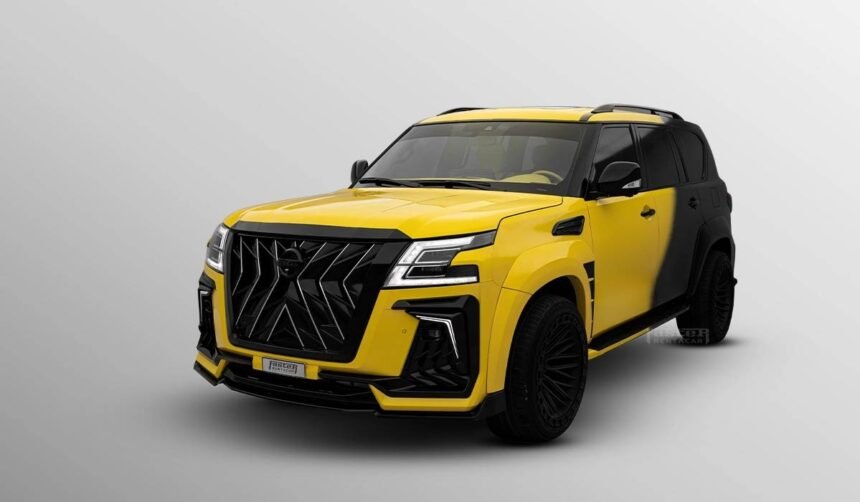
Travel habits are shifting. Families often find one rental car cheaper and simpler than juggling multiple taxis. Business travelers like the efficiency of having a vehicle on hand. And for many leisure visitors, especially those chasing Dubai’s luxury image, the car itself—whether a Ferrari, Lamborghini, or Bentley—becomes part of the adventure.
Digital-first behavior is driving change too. Tourists now book online, often at the last minute, and expect the process to be as quick as ordering food. Companies that can match those expectations are the ones winning loyalty.
Fleet Expansion and Diversification
To keep pace, firms aren’t just adding more cars—they’re diversifying their fleets. Luxury remains in demand, but families gravitate toward SUVs and vans, while eco-conscious travelers increasingly ask for hybrids and EVs. This shift reflects not only changing traveler preferences but also the influence of global mobility trends that emphasize comfort, practicality, and sustainability.
The trend dovetails neatly with Dubai’s Vision 2030 sustainability agenda, which encourages greener transport solutions and reduced emissions. Some companies are even turning their lineups into showcases. Tesla rentals, for instance, appeal to curious tourists eager to try electric driving—often for the first time. It’s a savvy move that gives providers a competitive edge while making a visitor’s trip more memorable.
Technology Reshaping the Rental Experience
The rental process is evolving as quickly as the cars themselves.
Today’s digital platforms let travelers compare prices, choose exact models, and complete paperwork before they even land. New players and apps — from global platforms to local services such as Faster Rent A Car — promise near-instant bookings and seamless pickups. Few want to spend vacation hours filling forms, so features like digital contracts, keyless entry, and app-based check-ins are becoming standard.
Personalization takes it a step further. AI suggests upgrades, apps provide instant support, and GPS tracking keeps fleets secure. In a market as competitive as Dubai, these aren’t extras anymore—they’re what set top players apart.
Challenges in a Competitive Market
Growth always brings pressure. Global names and strong local firms are fighting for the same customers, which drives prices down even as operating costs rise.
Maintaining fleets isn’t cheap—fuel, insurance, and servicing add up fast. Seasonal highs and lows make planning harder. At the same time, new regulations are pushing companies toward electric fleets and tighter safety compliance.
Customer expectations continue to climb. Travelers want low prices, premium service, and immediate availability, all at once. To stand out, firms are offering perks like loyalty programs, chauffeur options, and hotel partnerships that bundle mobility into the broader travel package.
Looking Ahead: Dubai’s Rental Market Beyond 2025
The outlook remains strong. Tourism will keep rising, boosted by mega-events, expanding infrastructure, and Dubai’s global brand.
In the near term, expect larger EV fleets, smarter booking apps, and AI-driven platforms that tailor the experience from start to finish. Longer term, Dubai’s smart city vision could bring autonomous vehicles into the mix. Renting a self-driving Tesla might sound futuristic elsewhere, but here it feels almost inevitable.
For rental companies, the takeaway is simple: adapt quickly, innovate constantly, and keep sustainability front and center. Those that do will thrive in one of the world’s most dynamic mobility markets.
Conclusion
Dubai’s recovery hasn’t only revived tourism—it has reshaped the rental car business. With millions of visitors chasing independence and convenience, demand for rental cars has surged beyond pre-pandemic levels. Today, companies are scaling fleets, diversifying models, and embracing technology to deliver seamless experiences that match the city’s reputation for efficiency and luxury.
Yes, competition is fierce and costs are rising. Operators are dealing with higher fuel prices, fleet management challenges, and the pressure to differentiate in a crowded market. Yet the opportunities outweigh the hurdles. For industry players, investors, and travelers, Dubai’s rental car boom offers a clear look at how tourism growth can transform not just consumer habits, but the entire mobility market.