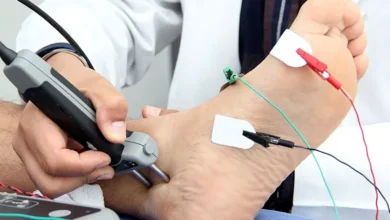


An ankle sprain is one of the most common injuries that can affect anyone, from athletes to those who step the wrong way. The pain, swelling, and limited mobility can disrupt your daily activities and slow your recovery.
While rest is essential in the early stages, proper rehabilitation ensures your ankle heals correctly and regains its strength. Knee pain physio treatment solutions offer structured, professional guidance to help you recover more quickly and prevent long-term complications.
Key Physiotherapy Techniques That Speed Up Recovery After Ankle Sprains
Here are the essential ways physiotherapy helps you heal efficiently:
- Pain and Swelling Management – The primary objective in physiotherapy is to alleviate pain and manage swelling. Your therapist may use methods like ice therapy, ultrasound, or gentle soft tissue massage to decrease inflammation. These treatments help you regain comfort and allow for better mobility during the following stages of recovery.
- Restoring Range of Motion – An ankle sprain can cause stiffness, making it difficult to move your foot naturally. Physiotherapists design gentle stretching and movement exercises to regain flexibility. Techniques like ankle circles, alphabet exercises, and towel stretches help reintroduce normal motion safely.
- Rebuilding Muscle Strength – Weakness in the ankle muscles increases the risk of another injury. Strengthening exercises, such as resistance band training, heel raises, and balance work, target the muscles that stabilize your ankle. These exercises help strengthen and stabilize your joints during daily movement and sports activities.
- Improving Balance and Proprioception – Proprioception is your body’s ability to sense movement and position. After a sprain, this sense is often reduced, leading to instability. Physiotherapy includes balance board training and single-leg stands to retrain the ankle and improve coordination. This step is critical for avoiding repeated sprains in the future.
- Gradual Return to Weight-Bearing Activities – A physiotherapist monitors your progress and guides you in gradually returning to weight-bearing activities. Walking exercises or partial squats are introduced to help you safely transition from limited movement to full functionality. This approach ensures a smooth recovery and prevents overstressing the healing ligaments.
- Manual Therapy for Faster Healing – Manual therapy involves hands-on techniques such as joint mobilization and soft tissue manipulation. These help improve circulation, reduce stiffness, and restore proper joint mechanics. Regular manual therapy sessions accelerate recovery and minimize discomfort.
- Education and Home Exercise Plans – Physiotherapists also teach you how to care for your ankle at home. This includes proper warm-up routines, stretching, and ways to avoid re-injury. Following a customized home exercise plan helps maintain progress between sessions and supports long-term ankle health.
Build Long-Term Strength And Prevent Re-Injury With Physiotherapy
Sports physiotherapy near me helps you understand how your body responds to movement and how to protect your joints. Consistent follow-up sessions and guided exercises reduce the chances of chronic instability or recurring ankle pain. By retraining the muscles and ligaments, you build lasting stability that keeps you active and confident.
Many people underestimate the importance of proper rehabilitation after an ankle sprain. Skipping physiotherapy or rushing recovery can lead to stiffness, weakness, or future sprains. With the help of a qualified physiotherapist, you can recover safely and restore full function without setbacks.