Blood hemolysis disrupts test accuracy and creates delays that affect both patient care and laboratory workflow. Labs must understand why red blood cells rupture and how to prevent it through proper collection, handling, and analysis. By identifying risk factors early, teams can protect sample integrity, reduce repeat collections, and maintain reliable results that support confident clinical decision-making across departments.
Understanding What Blood Hemolysis Really Is
The Biological Process Behind Red Blood Cell Rupture
Hemolysis occurs when red blood cells lose membrane stability and release hemoglobin into plasma or serum. This rupture can result from mechanical stress, osmotic imbalance, or chemical exposure. Once cells break, the sample’s composition changes immediately. Understanding this biological process helps labs identify what conditions damage cells and gives them a foundation for building prevention strategies that protect sample quality.
Common Indicators That Suggest a Hemolyzed Sample
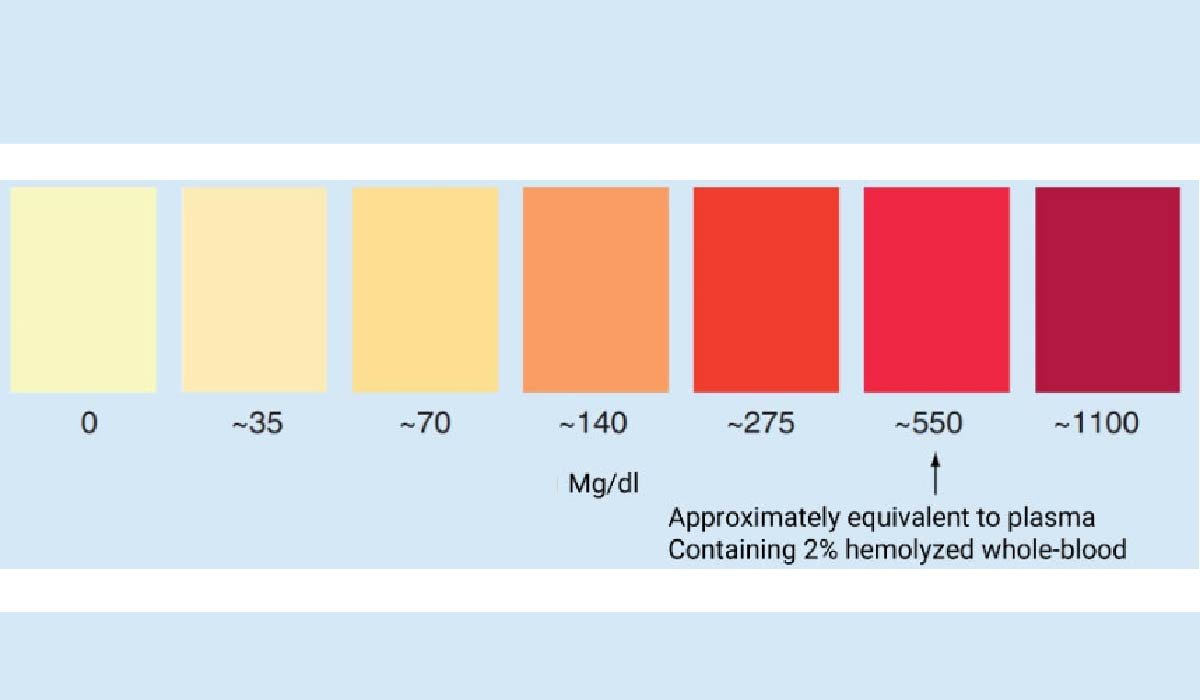
Hemolyzed samples often show noticeable discoloration, with plasma or serum turning pink or red. Automated instruments may also flag results with abnormal hemoglobin levels or inconsistent values. Technologists notice difficulty obtaining accurate readings for potassium, LDH, or AST. Early visual and analytical clues help staff decide whether to reject the sample, investigate the cause, or request recollection for accurate testing.
How Hemolysis Affects Laboratory Test Accuracy
Hemolysis releases intracellular components that distort analyte concentrations. Potassium, LDH, ALT, and AST often appear falsely elevated. Hemoglobin can also interfere with spectrophotometric readings. These shifts lead to misleading interpretations and potential misdiagnosis. Understanding how hemolysis alters results helps labs establish strict procedures. Preventing hemolysis protects clinical decisions and ensures patients receive reliable information based on accurate laboratory data.
Major Pre-Analytical Causes of Blood Hemolysis
Collection Technique Issues Leading to Hemolysis
Improper venipuncture techniques often trigger hemolysis. Using a needle that is too small, applying excessive force during syringe draws, or failing to allow alcohol to dry can stress red blood cells. Difficult draws, prolonged tourniquet time, and repeated probing also increase risk. When teams refine technique and follow consistent steps, they significantly reduce mechanical stress that causes cell rupture.
Equipment-Related Factors That Damage Cells
Blood collection equipment can impact cell stability. High suction from vacuum tubes, faulty needles, or damaged collection lines can subject cells to shear forces. Improper mixing of tubes or aggressive shaking increases risk. Even small equipment defects create stress that leads to hemolysis. Routine equipment checks and thoughtful handling reduce these risks and protect samples from unnecessary damage.
Environmental and Handling Conditions That Trigger Hemolysis
Temperature shifts, prolonged exposure to heat or cold, and rough transportation can compromise samples. Excessive vibration during transport or delays before processing increase membrane fragility. Improper tube inversion also affects cell stability. By controlling environmental factors, labs maintain sample integrity and reduce unnecessary hemolysis caused by mishandling or unpredictable storage and transport conditions within clinical settings.
Analytical and Post-Analytical Factors to Monitor
Instrument-Driven Stress on Blood Samples
Analyzers may create mechanical stress when samples pass through pumps, probes, and mixing systems. If instruments apply high pressure or handle samples too aggressively, cells may rupture during processing. Regular maintenance, calibration, and performance checks help prevent this issue. Understanding how equipment affects cells ensures labs manage instrument-driven hemolysis and maintain reliable test results across all automated workflows.
Storage, Transport, and Temperature Concerns
Delayed centrifugation, improper storage temperatures, and extended transport times weaken cells. Freezing, overheating, or repeated temperature cycling amplifies membrane fragility. These conditions increase the chance of hemolysis long before analysis begins. Consistent handling and controlled temperature protocols ensure samples reach testing stations in optimal condition, reducing the risk of cell rupture and improving test reliability.
Identifying Hidden Risks During Sample Processing
Processing steps such as centrifugation speed, time, and tube balancing introduce hidden hemolysis risks. Excessive g-force damages cells, while improper balancing creates vibration that increases stress. Pipetting or aliquoting errors can also compromise red blood cells. Monitoring each step helps labs reduce unseen causes and maintain a smooth workflow that protects sample integrity from start to finish.
Effective Strategies Labs Use to Prevent Hemolysis
Standardized Blood Collection and Handling Protocols
Clear protocols for venipuncture, tube selection, and mixing significantly reduce hemolysis. Standardized steps ensure staff follow best practices consistently. These guidelines cover needle size, order of draw, transport procedures, and inversion techniques. When labs adopt unified protocols across departments, they build a preventive culture that reduces variability and keeps samples intact through every stage of collection and handling.
Training and Quality Control to Reduce Human Error
Training ensures staff understand how their actions influence sample quality. Regular competency assessments reinforce proper techniques and highlight common mistakes. Quality control programs track hemolysis rates, identify trends, and guide improvement efforts. Investing in ongoing education empowers teams to work confidently, minimize errors, and maintain high standards for sample integrity throughout the entire testing process.
Continuous Monitoring to Detect Hemolysis Early
Routine checks for visual discoloration and automated hemolysis indices help labs catch issues early. Monitoring allows quick decisions about recollection or investigation before inaccurate results reach clinicians. Data from ongoing monitoring also helps teams identify patterns, address root causes, and refine procedures. Early detection supports patient safety and ensures every sample used for testing meets quality expectations.
Conclusion
Preventing blood hemolysis requires strong technique, proper equipment, and consistent handling from collection to analysis. When labs understand what causes blood hemolyzing, they build effective safeguards that protect sample integrity. Clear protocols and ongoing training reduce errors, while monitoring ensures issues are caught early. A proactive approach helps laboratories deliver accurate results and maintain high-quality patient care.