Introduction
Antibody engineering and therapeutic discovery have moved rapidly over the past decade, driven by the increasing need for safe, effective, and human-compatible treatments. Traditional methods like hybridoma development or animal immunization often take months and can introduce immunogenic components that require further engineering. Today, researchers turn to human antibody discovery service platforms to streamline this process. These systems combine high-throughput screening, deep sequencing, computational analysis, and single-cell technologies to identify fully human antibodies that are suitable for modern drug development.
A human antibody discovery pipeline not only speeds up early research but also reduces downstream risks by generating candidates with human-origin frameworks. This makes them more predictable in clinical applications and significantly reduces the likelihood of immune-related complications.
What Is Human Antibody Discovery Service?
A human antibody discovery service focuses on identifying fully human antibodies directly from donor B cells or synthetic human antibody libraries. These services use advanced workflows such as:
- Single-B-cell isolation, allowing researchers to evaluate antibodies from individual immune cells
- High-throughput functional screening, measuring binding affinity, specificity, and neutralization
- Deep sequencing, mapping antibody repertoires at scale
- Computational design and analysis, supporting candidate selection
For non-specialists, this approach is similar to sorting through millions of “keys” to find the one that fits a biological “lock” with the highest accuracy — except the process happens with automation, robotics, and AI-assisted ranking.
A summary published through the National Institutes of Health highlights that fully human antibodies provide better clinical compatibility and reduce the need for complicated humanization steps. Because the framework regions originate from human immune repertoires, these antibodies tend to be safer and more stable in therapeutic applications.
Real-World Impact of Human Antibody Discovery
Human antibody discovery services support a wide range of pharmaceutical and research programs, including:
1. Cancer Immunotherapy
Checkpoint inhibitors, T-cell–redirecting antibodies, bispecific constructs, and tumor-targeting biologics all depend on rapid antibody identification.
2. Infectious Disease Response
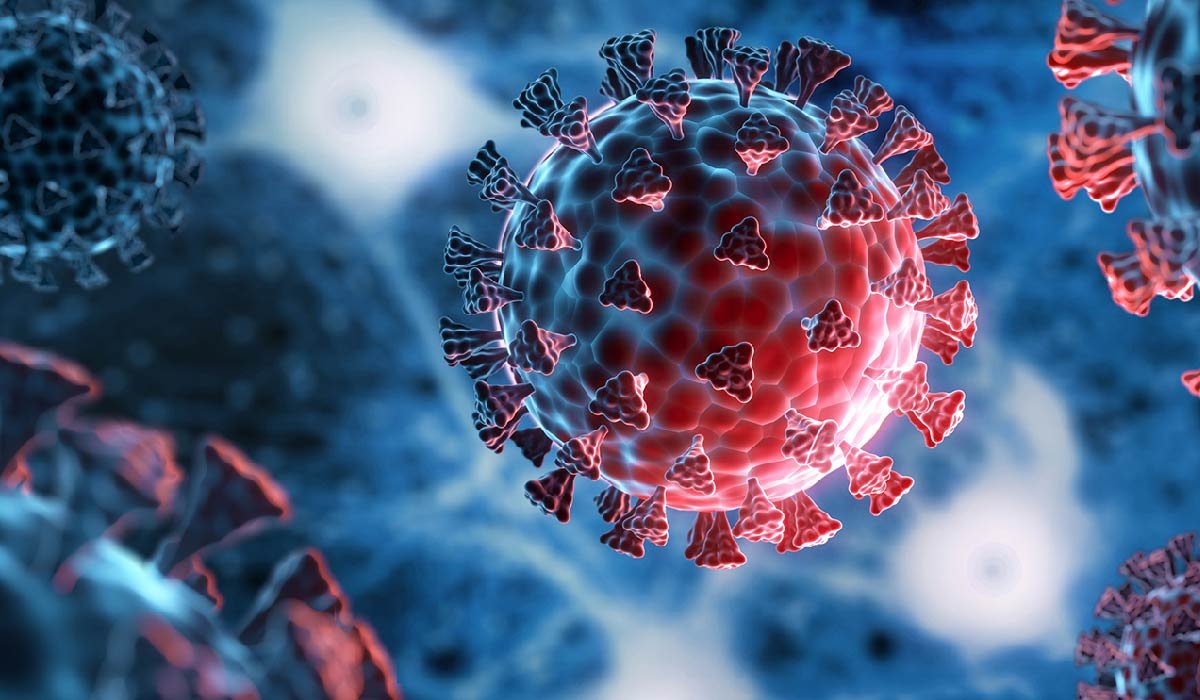
Human antibody discovery played a major role in identifying neutralizing antibodies during the COVID-19 pandemic and continues to support research for emerging viral threats. Studies referenced in Nature show how these technologies accelerate therapeutic response during public health emergencies.
3. Autoimmune and Inflammatory Disease Therapies
Fully human antibodies allow precise targeting of cytokines, immune receptors, or inflammation pathways with fewer adverse effects.
4. Diagnostic Development
High-affinity antibodies generated through discovery platforms are used for ELISA kits, rapid tests, and clinical diagnostics.
5. Research Reagents
Academic labs and biotech companies rely on validated antibodies to study signaling pathways, biomarkers, and receptor activity.
Because human antibody discovery is high throughput, screening thousands of candidates no longer requires lengthy timelines. What once took months can now be narrowed down within days, enabling faster decision-making and more efficient development.
Why Human Antibody Discovery Matters for the Future
Antibody-based therapeutics are one of the fastest-growing categories of modern medicine. With more than a hundred monoclonal antibodies approved globally, researchers need scalable discovery solutions that keep pace with evolving disease biology.
Future therapeutic development depends on:
- AI-driven epitope prediction, enabling rational antibody design
- Single-cell sequencing, revealing natural immune responses at unprecedented depth
- Large-scale repertoire mapping, providing millions of potential antibody templates
- Machine learning–assisted lead selection, ranking candidates for potency and stability
- Automation, reducing manual bottlenecks
Next-generation modalities — such as bispecifics, trispecifics, antibody-drug conjugates, and immune-engaging antibodies — require precise engineering that begins with high-quality human antibody leads.
As highlighted in a review published in Nature Reviews Drug Discovery, advanced discovery platforms significantly increase the probability of success in early-stage development by identifying antibodies with optimal characteristics from the start.
Benefits for Scientists, Healthcare, and Society
For Researchers
High-throughput human antibody discovery accelerates exploration of immune responses and therapeutic targets.
For Biotech and Pharmaceutical Companies
Human-origin antibodies reduce immunogenicity risks, lower engineering costs, and increase the likelihood of clinical success.
For Clinicians and Patients
More accurate, better-tolerated therapies improve safety profiles and long-term outcomes.
For Communities and Global Health
Rapid discovery pipelines support faster response to emerging diseases and global health challenges.
Conclusion
A human antibody discovery service provides a direct, efficient, and scientifically robust pathway to identify therapeutic-grade antibodies. With high-throughput screening, deep sequencing, and human-origin frameworks, these platforms shorten development timelines and enhance clinical potential. As modern therapeutics continue to evolve, human antibody discovery will remain a cornerstone of innovation in oncology, infectious disease research, and precision medicine.