

Introduction
What if confidence wasn’t about being quiet, modest, or reserved, but rather about being bold, fearless, and unapologetically yourself? This is the heart of “utanmazkızkar,” a Turkish digital-cultural term that has evolved into a powerful symbol of self-expression and liberation.
Originally derived from two Turkish words—”utanmaz” meaning shameless or unashamed, and “kız” meaning girl—the phrase literally translates to “shameless girls.” However, in contemporary usage, especially among youth and feminist circles, the term has undergone a significant transformation. Utanmazkızkar now stands for fearless feminine identity, unapologetic authenticity, and a rejection of societal constraints that traditionally dictated how women should behave.
It represents a movement that spans memes, blogs, fashion, activism, and identity-building, inviting individuals to proudly own their truth and challenge double standards. This article explores the multifaceted meaning, cultural evolution, digital presence, and empowering potential of utanmazkızkar, diving deep into its significance in both online and offline spheres.
What Is Utanmazkızkar?
At its core, utanmazkızkar is a term that carries deep layers of cultural meaning. In its literal sense, “utanmaz” translates to “shameless,” often used to describe someone who acts in a socially unacceptable or bold way. When paired with “kız” (girl), it forms a label that traditionally carried negative judgment, implying impropriety or rebellion against social norms. Historically, being called an “utanmaz kız” was a form of insult aimed at women who stepped outside patriarchal expectations—those who dressed boldly, spoke out, or refused to adhere to modesty ideals.
Yet, over time, particularly through the lens of digital culture and social media, the term has been reclaimed by women and marginalized communities. What was once a derogatory label is now an empowering identity: utanmazkızkar is a badge of courage, individuality, and defiance against a system that often silences or shames women. It marks the rise of self-empowered expression and the refusal to apologize for existing authentically.
Cultural and Social Origins of the Term
Understanding utanmazkızkar requires a look at how shame and modesty have historically shaped Turkish gender norms. In many conservative cultures, including Turkey, women have been expected to embody virtues like humility, silence, and obedience. Shame has long been a tool for controlling female behavior. Women who challenged these norms were often labeled as “utanmaz,” and such language reinforced their social exclusion. Educational, political, and even fashion choices could prompt accusations of being shameless. However, with waves of feminist thought, body positivity, and global gender equality movements reaching Turkish shores, women began to push back.
They reclaimed the language that once oppressed them and used it as a form of resistance. Literature, cinema, and television also played roles in this cultural shift, with fearless female characters challenging traditional roles and inspiring real-life change. Utanmazkızkar emerged as a natural linguistic evolution—a statement that shame has no place in the narrative of confident womanhood.
Utanmazkızkar in Digital Culture
In today’s digital world, utanmazkızkar thrives as a cultural icon on platforms like Twitter, Instagram, TikTok, and YouTube. Online spaces have allowed young women and LGBTQ+ communities to reclaim the term and celebrate their authenticity. Hashtags like #utanmazkızkar are widely used in memes, blog posts, story captions, and videos to express opinions, humor, defiance, and solidarity. The term has taken on a meme-worthy life of its own.
One might find satirical posts mocking societal expectations, such as women being scolded for wearing lipstick or laughing too loudly. In these contexts, calling someone utanmaz becomes a joke that highlights the absurdity of conservative policing of female behavior. The humor is powerful: it defuses criticism while amplifying messages of empowerment. Through visual culture, language remixing, and irony, utanmazkızkar has become a tool of resistance and a celebration of bold expression. Young people relate to it because it gives them a vocabulary for their experiences of shame, rejection, and reclamation.
The Fashion Rebellion of Utanmazkızkar
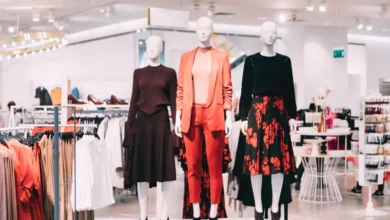
Fashion is one of the most visible expressions of the utanmazkızkar ethos. From bold lipstick and statement jackets to neon eyeshadow and gender-nonconforming outfits, those who embrace this aesthetic are making a public declaration: they will not be silenced or hidden. In recent years, designers in Turkey and globally have created fashion lines that reflect this fearless energy. Influencers and style icons on TikTok and Instagram showcase looks that combine streetwear with cultural heritage, modernizing traditional garments with empowering flair.
These looks are often shared under #utanmazkızkar, gaining traction as part of an expressive movement. The “lookbook” of an utanmazkızkar might feature ripped jeans, cultural jewelry, metallics, oversized sunglasses, and messages like “Don’t Tell Me to Smile.” In the office, college, or the street, fashion becomes a tool for claiming space and respect. The trend also celebrates inclusivity, encouraging women of all sizes, skin tones, and identities to be visible, vocal, and vibrant.
Language, Identity, and Empowerment
Utanmazkızkar isn’t just about being shameless in action—it’s a linguistic revolution. Reclaiming language that was once used to shame is a powerful psychological and political act. In Turkish, there are several synonyms of “utanmaz” that are used in different tones:
| Turkish Word | English Translation | Tone | Typical Context |
|---|---|---|---|
| Utanmaz | Shameless | Negative/Neutral | Cultural critique |
| Yüzsüz | Brazen | Sarcastic | Gossip, memes |
| Arsız | Persistent/Shameless | Playful/Ironic | Jokes, tweets |
| Açık | Open/Fearless | Positive | Honesty, expression |
By choosing to call themselves utanmazkızkar, people are turning shame into strength. It allows women and marginalized groups to say: “Yes, I am visible. Yes, I own my space. No, I will not apologize.” This shift in language reflects a broader shift in power. Vulnerability becomes a sign of strength, not weakness. Mental health, emotional expression, and gender identity are embraced rather than hidden. As individuals tell their stories using the word utanmazkızkar, they create space for others to find belonging and validation.
Real-Life Stories of Utanmazkızkar
The true impact of utanmazkızkar can be seen in the lives of women who have used bold confidence to change their lives and challenge the status quo. Consider the female tech entrepreneur from Istanbul who launched her startup in a male-dominated field. Despite criticism, she built a thriving business and became a mentor to other young women. Or the digital artist who creates political cartoons confronting gender injustice—her work goes viral under the utanmazkızkar hashtag, inspiring a new generation of feminist voices.
There’s also the university student who openly blogs about mental health, fashion, and queerness, embracing labels others once used against her. Every day, women—mothers, influencers, students—share stories of being called “shameless” and flipping that script. In comment sections, they find community. In their platforms, they find purpose. The utanmazkızkar identity becomes a powerful tool not only for personal empowerment but also for societal change.
Why Utanmazkızkar Resonates with Youth
The utanmazkızkar movement particularly resonates with younger generations because it aligns with their values: authenticity, transparency, and resistance to hypocrisy. In a world where youth face overwhelming pressure to conform yet are constantly under scrutiny, the concept of being unashamed offers a release. It invites them to live out loud, reject impossible standards, and embrace their individuality.
Queer youth, feminist teens, and young creatives all find resonance in this label because it allows them to express parts of themselves that are often judged or hidden. Social media acts as a catalyst for this movement, where girl gang meme pages, feminist collectives, and vloggers openly talk about gender, identity, and being called “too much.” Utanmazkızkar offers not just language but also solidarity, acting as a bridge between personal experience and collective culture. Youth do not just want to exist—they want to be seen, and utanmazkızkar tells them it’s okay to be seen in all their glory.
Critics and Controversies
Of course, no cultural movement escapes scrutiny. Utanmazkızkar has faced criticism, especially from conservative and rural communities who see it as a threat to traditional values. Critics argue that it promotes rudeness, arrogance, or the breakdown of family roles. Some news articles and television debates have tried to frame the movement as vulgar or irresponsible. Online backlash occasionally surfaces in comment threads or viral controversies.
But most supporters of utanmazkızkar argue that the criticism proves the point: society still fears women who are bold, loud, and confident. Another concern is the commodification of the term. Brands or influencers may co-opt the label without understanding its deeper cultural meaning. When empowerment becomes a trend, there’s a risk it loses its edge. Maintaining authenticity and grassroots connections is essential to keeping utanmazkızkar a genuine force for change.
How to Embrace Your Inner Utanmazkızkar
Becoming an utanmazkızkar starts with self-awareness and courage. First, recognize the power of your voice. Write down your strengths, talents, and stories. Wear what makes you feel alive. Express your thoughts boldly online or in conversations. Find digital communities where your authenticity is welcomed. If people label you “shameless,” reframe it as “fearless.” Make self-love a daily ritual. Here are some confidence-building actions to try:
| Day | Action | Why It Matters |
| Monday | Wear bold color | Boost mood and energy |
| Tuesday | Share a story online | Own your narrative |
| Wednesday | Compliment a peer | Empower others |
| Thursday | Say “No” with confidence | Set healthy boundaries |
| Friday | Try a new look | Embrace experimentation and growth |
These small practices build up into a mindset of fearlessness, allowing you to step into your power as an unapologetic, confident individual.
Utanmazkızkar Across Borders
Interestingly, utanmazkızkar is not isolated to Turkey. Similar movements around the world show that bold feminine expression is a global phenomenon. In the U.S., terms like “Nasty Woman” or “Boss Bitch” have been used in political and cultural spaces to reclaim criticism as power. The “SlutWalk” movement began as a protest against victim-blaming and evolved into a global march for bodily autonomy. In South Korea, digital feminists use hashtags like #EscapeTheCorset to resist beauty standards. All of these movements, like utanmazkızkar, reflect a hunger for unfiltered selfhood. Social media makes it possible to share these expressions across borders, creating a global sisterhood of fearless voices. Language may differ, but the message is the same: being bold is not a flaw—it’s a form of freedom.
The Future of the Utanmazkızkar Movement
What lies ahead for utanmazkızkar? The movement shows no signs of slowing. As more people embrace authenticity and reject outdated expectations, this cultural force will likely grow. There may be greater brand adoption, feminist media collaborations, and academic analysis. But there are also risks: losing its grassroots edge, being diluted by commercial use, or turning into a performative label. For utanmazkızkar to thrive, it must stay connected to the real people who birthed it—the bloggers, meme creators, activists, and women who risk being misunderstood to speak their truth. It must remain raw, honest, and deeply human.
Conclusion
Utanmazkızkar is more than a trend—it is a powerful cultural expression of self-worth, confidence, and rebellion against shame. In reclaiming what once insulted, women and marginalized voices have built a new path forward. This movement teaches us that being bold is not just a style or attitude; it is a necessary stance in a world that still tries to define how we should live. So own your voice, wear your truth, and let your unapologetic light shine. The world doesn’t need perfect girls. It needs more utanmazkızkar.
FAQs
1. What does utanmazkızkar mean?
Utanmazkızkar is a modern Turkish digital-cultural term used to describe bold, confident, and unapologetically expressive women. Although it originally meant “shameless girls,” it has been redefined as a positive symbol of empowerment and fearless identity.
2. Is the term utanmazkızkar insulting or empowering?
While the term traditionally carried a negative meaning, today it is widely reclaimed as empowering. Many young women, creators, and activists use it proudly to challenge stereotypes and celebrate self-expression.
3. Why is utanmazkızkar popular on social media?
The term spreads fast across platforms like TikTok, Instagram, Twitter, and blogs because it represents authenticity, humor, and resistance to societal pressure. Memes, videos, and fashion posts help popularize the movement.
4. How does the utanmazkızkar movement empower women?
It encourages women to embrace their identity without shame, speak confidently, dress boldly, and reject limiting expectations. It also creates supportive digital communities where individuals can express themselves openly.
5. How can someone become an utanmazkızkar?
Anyone can embrace their inner utanmazkızkar by building self-confidence, expressing themselves honestly, setting boundaries, wearing what makes them feel powerful, and participating in communities that celebrate fearless authenticity.
You May Also Read: Drbulldevil: The Ultimate Creative Power Guide