

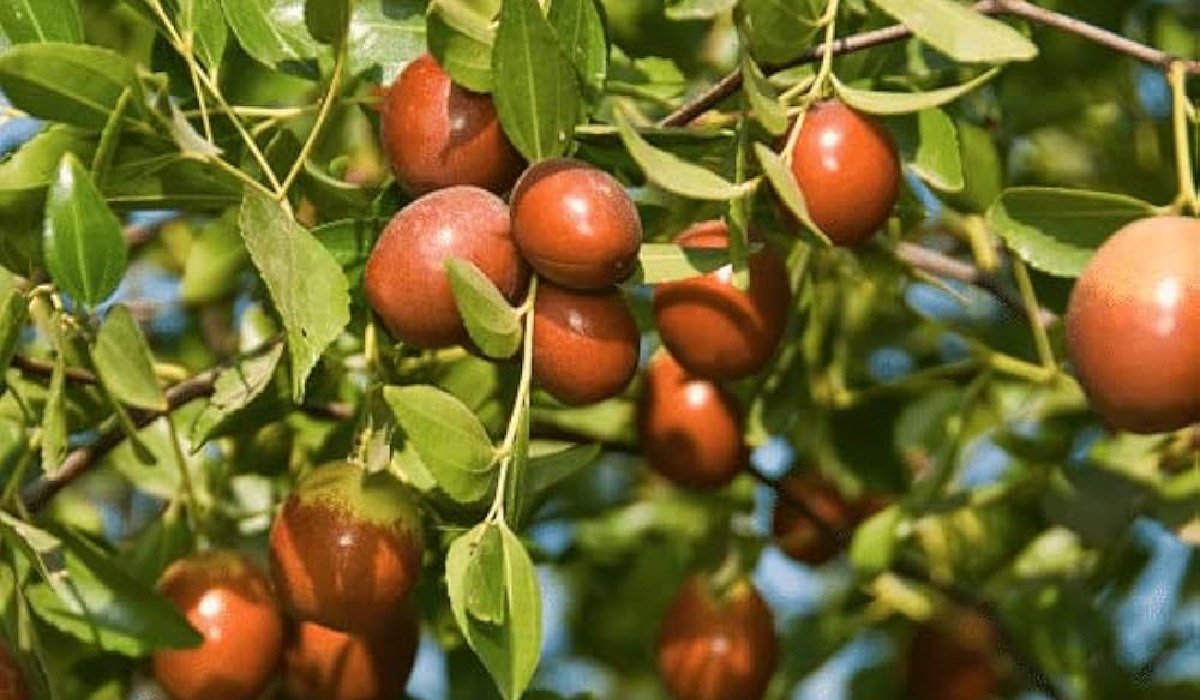
What is Žižole?
Have you ever tasted a fruit that’s been healing people for over 4,000 years? If not, allow us to introduce you to Žižole—a humble, powerful fruit with deep historical roots and an exciting modern-day comeback. Known scientifically as Ziziphus jujuba, and more commonly referred to as jujube, Chinese date, or red date, žižole is far more than just a seasonal snack. It is a superfruit—rich in nutrients, antioxidants, and traditional wisdom—making it a staple in ancient medicine and a rising star in today’s wellness-driven culture. From its origins in China and migration along ancient trade routes to its cherished place in Croatian gardens and global health stores, žižole has continuously proved its value.
Whether eaten fresh, brewed into calming teas, or used in herbal tonics, žižole offers a uniquely versatile blend of flavor and function. This guide dives into its scientific classification, traditional uses, nutritional profile, cultural symbolism, and cultivation potential, offering you a complete understanding of why žižole deserves a spot in your diet and possibly, your garden.
Botanical Origins and Global Journey
Scientific Classification
Žižole belongs to the plant family Rhamnaceae and carries the botanical name Ziziphus jujuba. This deciduous tree or shrub is noted for its resilience, distinctive thorny branches, and the production of edible fruits that have captured the attention of both ancient healers and modern scientists. The plant is not only valued for its fruits but also for its medicinal bark and leaves, making it a holistic plant in both nutrition and natural remedies.
Origin and Historical Roots
Originating in China over 4,000 years ago, žižole were cultivated for food, spiritual rituals, and medicine. The ancient Chinese regarded it as a fruit of longevity and inner harmony, frequently documented in herbal pharmacopeias. Over time, it traveled westward through the Silk Road, reaching the Middle East, Mediterranean, and even parts of Europe. Each region embraced the fruit in unique ways—incorporating it into food, medicine, and folklore, solidifying its status as a cross-cultural treasure.
Žižole in Croatian & Balkan Culture
In Croatia, particularly in Istria and Dalmatia, žižole (žižola in the local dialect) has taken root both literally and figuratively. It is cherished in rural traditions, often grown in home gardens, passed down through generations. Children are often told stories of its magical properties, including one charming legend that claims the scent of its blossoms can make teenagers fall in love. Žižole trees also symbolize abundance and health, especially during harvest festivals in Mediterranean villages.
Žižole Tree and Fruit Characteristics
Tree Description
The žižole tree is as resilient as it is beautiful. Typically growing between 5 to 10 meters, this deciduous tree is known for its shiny, oval-shaped leaves and thorny branches. Its small, yellow-green flowers bloom modestly but promise a rich fruit harvest. One of its defining traits is drought resistance, allowing it to thrive in arid and semi-arid climates. Once mature, it requires minimal care, making it an excellent choice for sustainable agriculture and backyard cultivation alike.
Fruit Appearance and Taste
The fruit starts off green and firm, gradually ripening into a reddish-brown or even purplish color with a thin, wrinkled skin if dried. When fresh, žižole are crisp and sweet, often compared to apples, but with a tangy undertone. When dried, they take on a chewy, date-like texture, with deep, caramel-like notes that make them perfect for snacking or sweetening recipes naturally. Their dual personality—fresh and dried—adds to their culinary appeal.
Cultivars and Varieties
Globally, there are over 400 cultivars of žižole, each suited for different uses. Some varieties are better eaten fresh due to their juiciness and size, while others are cultivated specifically for drying, medicinal extraction, or fermentation. This genetic diversity not only allows for flexible usage but also supports its cultivation in a wide array of climates and soil types.
Nutrition Profile of Žižole
Macronutrients (Per 100g)
Žižole are nutrient-dense despite being low in calories. A 100g serving contains approximately:
-
Calories: ~79 kcal
-
Carbohydrates: 20g
-
Fiber: 2–3g
-
Protein: 1.2g
-
Fat: 0.2g
This balance makes žižole a perfect natural energy booster—great for snacking or post-workout recovery.
Vitamins & Minerals
Žižole are rich in Vitamin C, with up to 69 mg per 100g, which covers around 70–77% of the daily requirement. They also provide essential minerals such as potassium, iron, calcium, and magnesium, supporting everything from blood pressure regulation to bone health and immune function.
Phytochemicals
What truly sets žižole apart is their abundance of bioactive compounds:
-
Flavonoids: known for anti-inflammatory effects
-
Saponins: thought to help with cholesterol and immune response
-
Polyphenols: powerful antioxidants
These compounds collectively contribute to žižole’s health-enhancing reputation.
Proven & Traditional Health Benefits
Boosts Immunity
Thanks to its high vitamin C content and antioxidant profile, žižole helps strengthen the immune system, fend off infections, and reduce oxidative stress. Its use in teas and tonics throughout winter seasons in Asia and Europe is a testament to this benefit.
Promotes Digestive Health
Žižole is high in dietary fiber, making it excellent for promoting bowel regularity, gut flora balance, and digestive efficiency. Traditional medicine has long used the fruit to treat constipation, bloating, and mild gastric distress.
Supports Sleep & Mental Health
Perhaps one of the most revered uses of žižole is its role in stress relief and sleep enhancement. Ancient Chinese and Persian medicine utilized the seed and fruit extract as a natural sedative, promoting calmness and deep sleep. Modern science attributes this to its saponins and polysaccharides, which have neuroprotective effects.
Heart & Blood Health
The presence of potassium aids in regulating blood pressure, while iron and magnesium support red blood cell formation and cardiovascular endurance. Some studies suggest žižole may even help manage cholesterol levels.
Anti-Aging & Skin Health
With its strong antioxidant arsenal, žižole promotes collagen production, protects against free radicals, and may help in slowing visible aging. It’s increasingly included in natural skincare and wellness products for this very reason.
Potential Cancer-Fighting Properties
Although still under clinical investigation, early in vitro studies suggest žižole compounds may inhibit tumor cell growth, particularly in digestive and blood-related cancers. While not a cure, its preventive potential is noteworthy.
Traditional Medicine Use
In Chinese Medicine
Žižole is categorized as a tonifying herb—used to nourish the blood, calm the spirit (Shen), and strengthen the spleen and stomach. It appears in dozens of classic TCM formulas, often in synergy with other roots and berries.
In Persian / Islamic Medicine
In this tradition, žižole was employed to treat coughs, fevers, and digestive inflammation. It was also viewed as a mood stabilizer, used in tonics for those suffering from stress-related conditions.
In Balkan Herbal Practices
In Croatian and Balkan folk medicine, žižole were boiled into teas or fermented into fruit brandies and jams, believed to purify the blood, protect the heart, and encourage restful sleep.
Culinary Uses of Žižole
Fresh Fruit
Fresh žižole make for an excellent snack—crunchy, hydrating, and naturally sweet. They are often eaten raw, sliced into fruit platters, or paired with cheese, honey, or nuts for a flavorful appetizer.
Dried Žižole
In dried form, žižole become chewy and caramel-like, making them ideal for trail mixes, baking, or energy bars. They can replace raisins or dates in nearly any recipe.
Herbal Teas and Infusions
Boiling žižole in water produces a naturally sweet tea that calms the nerves and aids digestion. Add cinnamon, ginger, or goji berries for enhanced health benefits.
Syrups, Jams & Fermented Products
Žižole are often made into preserves, marmalades, or even rakija (fruit brandy) in the Balkans. Some cultures ferment the juice into vinegar, valued for digestive and cleansing effects.
Modern Innovations & Fusion Recipes
Today’s chefs and nutritionists are discovering creative ways to include žižole in modern meals. It’s being used in:
-
Smoothies and protein shakes
-
Energy balls with oats and seeds
-
Grain bowls (e.g., quinoa with roasted žižole and chickpeas)
-
Cocktail syrups and mocktail bases
Its versatile flavor profile makes it a functional ingredient for both sweet and savory applications.
How to Incorporate Žižole into Your Diet
Start small—add sliced žižole to your morning oatmeal, mix them into granola, or brew a calming evening tea. Use dried žiž ole in place of dates or raisins in baking, or simmer them into a natural syrup for pancakes and desserts. For kids, žiž ole syrup is a gentle immune booster, and for adults, it can be a satisfying post-dinner treat.
Growing Your Own Žižole Tree
Žižole trees are easy to grow and extremely resilient. They prefer warm, sunny conditions and well-drained soils—making them perfect for Mediterranean or temperate zones. Plant in spring, water regularly in the first year, and prune in winter. By the fourth or fifth year, you can expect yields of 20–50 kg per tree. Dried fruit stores well for months, especially in sealed containers.
Where to Buy Žižole
-
Fresh: Seasonal availability in Croatia, China, and Mediterranean markets.
-
Dried: Widely available in Asian grocery stores, herbal shops, or online retailers.
-
Teas and extracts: Found in wellness and supplement stores.
-
Seeds and saplings: Available from gardening centers or nurseries.
Žižole in Global Culture & Symbolism
In China, žižole is a symbol of fertility, harmony, and longevity—often used in weddings and religious offerings. In Croatia, it carries folkloric charm, with tales of its flowers inspiring love and passion. Across the globe, it is being rediscovered not just as a fruit, but as a cultural bridge between ancient wisdom and modern science.
Environmental & Agricultural Significance
Žižole trees are low-input, drought-resistant, and pest-tolerant, making them ideal for climate-resilient farming. They grow in marginal soils and offer economic promise for smallholder farmers. As interest in sustainable, climate-adapted crops rises, žiž ole stands out for its minimal environmental footprint and high market value.
Žižole and the Wellness Trend of 2025+
With rising demand for natural sleep aids, clean snacks, and functional foods, žiž ole are now seen in:
-
Adaptogen drinks
-
Superfruit teas
-
Plant-based dessert formulations
-
Mood-boosting syrups and gummies
Its presence in wellness products across Asia, Europe, and North America signals a global revival of this ancient fruit.
Conclusion
Žižole is more than just a fruit—it’s a living legacy, a nutritional powerhouse, and a culinary chameleon. Whether you enjoy them fresh off the tree, dried in trail mixes, brewed into tea, or integrated into gourmet recipes, žiž ole offer something unique: flavor, function, and folklore in every bite. With global wellness trends leaning toward tradition-rooted superfoods and sustainable farming, žiž ole’s comeback is not just timely—it’s essential. Plant it, eat it, love it. The future of food might just lie in the wisdom of the past—and žiž ole is proof.
FAQs About Žižole
What is Žižole and what does it taste like?
Žižole, also known as jujube or Chinese date, is a small fruit that grows on the Ziziphus jujuba tree. When fresh, it tastes sweet and crisp like an apple. When dried, it becomes chewy and sweet like a date.
What are the health benefits of Žižole?
Žižole is rich in vitamin C, fiber, and antioxidants. It can help boost your immune system, support digestion, improve sleep quality, and reduce inflammation. It’s also used in traditional medicine to calm the mind and nourish the body.
How can I eat Žižole?
You can eat Žižole fresh as a snack, dried like dates, or brew them into tea. They are also used in baking, jams, syrups, and even natural sleep tonics. It’s a very versatile fruit for both sweet and savory recipes.
Can I grow a Žižole tree at home?
Yes, you can grow a Žižole tree in your garden. It needs full sun, well-drained soil, and does well in warm or Mediterranean climates. It’s a low-maintenance, drought-tolerant tree that produces fruit from late summer to autumn.
Where can I buy Žižole?
You can find Žižole in local markets during harvest season, especially in Croatia, Asia, and Mediterranean regions. Dried Žižole are also available in Asian grocery stores, health food shops, or online under names like jujube or red date.
You May Also Read: Brent Madison Deerfield Wrestling: The Powerful Rise of a Champion
For More Information, Visit Dotmagazine