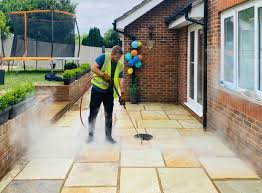
Keeping a home’s exterior clean is an important part of long-term property care, yet many homeowners use cleaning terms interchangeably without fully understanding what they mean. While exterior cleaning methods may seem similar on the surface, the approach used can make a significant difference in results, safety, and material longevity. Choosing the wrong method can lead to damage rather than improvement.
Two of the most commonly confused methods are pressure-based cleaning and gentler exterior washing techniques. Each serves a specific purpose and is designed for certain surfaces and conditions. Knowing when and how each method should be used helps homeowners protect their exterior materials instead of unintentionally harming them. This distinction is often emphasized by FB Pressure Washing when helping homeowners make informed maintenance decisions.
Understanding the difference between these cleaning approaches allows homeowners to choose the right solution for their property. The goal is not just cleanliness, but safe and effective exterior care that preserves value over time.
Why Exterior Cleaning Methods Are Not One-Size-Fits-All
Exterior surfaces vary widely in strength, texture, and age. Concrete, siding, trim, and roofing materials all respond differently to water force and cleaning techniques.
Using a single approach for every surface increases the risk of damage. Proper exterior care requires matching the method to the material, not forcing the material to withstand the method.
What Pressure Washing Is Designed For
Pressure Washing is a method that uses higher water force to remove stubborn buildup from durable surfaces. It is effective at breaking loose grime, dirt, and stains that adhere tightly.
This method is typically reserved for surfaces that can tolerate strong water pressure without cracking, splintering, or allowing moisture intrusion.
Surfaces Best Suited for Pressure-Based Cleaning
Hard surfaces such as concrete driveways, walkways, patios, and some masonry areas benefit from stronger cleaning force.
These materials are designed to withstand pressure and often require it to remove deeply embedded dirt, oil stains, and heavy buildup.
What House Washing Focuses On
House washing is designed specifically for exterior wall surfaces such as siding, trim, and painted finishes. These areas are more delicate than concrete and require a gentler approach.
Instead of relying on force, this method uses lower pressure combined with cleaning solutions to safely remove dirt and organic growth.
Why Siding Requires a Different Approach
Siding materials often overlap and contain seams that can trap water. High-pressure cleaning can force moisture behind these surfaces, leading to mold or structural issues.
House washing techniques avoid this risk by gently rinsing contaminants away without driving water into vulnerable areas.
The Role of Cleaning Solutions in Gentler Methods
Gentler washing relies on cleaning solutions to break down mold, algae, and grime. These solutions do the work that pressure would otherwise perform.
By allowing the solution time to loosen buildup, surfaces can be rinsed clean safely and evenly.
Comparing Effectiveness Between the Two Methods
Both methods are effective when used correctly. Pressure Washing excels at removing heavy buildup from strong surfaces.
House washing excels at restoring appearance and cleanliness without compromising surface integrity. Effectiveness depends on correct application, not force alone.
The Risks of Using Excessive Pressure Everywhere
Using high pressure on the wrong surface can strip paint, crack siding, and damage finishes. These issues may not appear immediately but can worsen over time.
Damage caused by improper methods often costs more to repair than professional cleaning would have cost initially.
Why Appearance Alone Is Not the Goal
Exterior cleaning is not only about making surfaces look clean. It is about preserving materials and preventing premature deterioration.
A method that cleans quickly but causes hidden damage undermines long-term maintenance goals.
How Water Intrusion Happens During Improper Cleaning
Water intrusion often occurs when high pressure is applied upward or directly into seams and joints.
Gentler washing techniques reduce this risk by controlling water flow and direction carefully.
Seasonal Considerations for Method Selection
Different seasons bring different buildup challenges. Spring pollen, summer algae, and fall debris affect surfaces differently.
Choosing the right method for the season ensures effective cleaning without stressing materials.
Environmental Impact of Each Method
Modern cleaning practices emphasize efficiency and responsibility. Using unnecessary force increases water usage and runoff.
Matching the method to the surface reduces waste and supports more environmentally conscious maintenance.
Safety Considerations for Homeowners
Exterior cleaning involves slippery surfaces, equipment, and height-related risks. Improper use of pressure equipment increases the chance of injury.
Understanding method differences helps homeowners avoid dangerous DIY attempts.
When Professional Guidance Matters Most
It is not always obvious which method a surface needs. Age, condition, and exposure all influence the decision.
FB Pressure Washing often evaluates surfaces carefully before selecting a method to ensure safe and effective results.
Why Some Areas Need Both Methods
Some properties require a combination of techniques. Hardscapes may benefit from pressure-based cleaning, while siding needs gentler care.
Using both methods strategically delivers comprehensive exterior cleaning without unnecessary risk.
Avoiding Common Homeowner Misconceptions
Many homeowners believe stronger pressure equals better results. In reality, stronger force often leads to avoidable damage.
Education helps replace this misconception with smarter maintenance decisions.
Long-Term Cost Differences Between Methods
Improper cleaning can shorten the lifespan of exterior materials, leading to costly repairs or replacements.
Using the correct method preserves surfaces and reduces long-term maintenance expenses.
Supporting Exterior Longevity Through Proper Technique
Exterior materials last longer when cleaned correctly. Protective coatings, paint, and finishes remain intact.
This longevity supports both curb appeal and structural performance.
Visual Consistency and Even Results
Gentler methods often produce more even results on siding and painted surfaces.
Pressure-based methods can leave streaks or marks when misapplied, reducing overall appearance.
How Experience Improves Method Selection
Experience allows professionals to recognize surface limitations and contamination types quickly.
FB Pressure Washing applies this knowledge to choose methods that balance cleanliness with protection.
Integrating Cleaning Methods Into Maintenance Plans
Exterior cleaning should be planned, not reactive. Knowing which method to use simplifies scheduling and budgeting.
Routine, appropriate cleaning keeps exteriors in better condition year-round.
Why Method Choice Reflects Responsible Home Care
Choosing the right cleaning approach demonstrates thoughtful ownership. It shows attention to long-term preservation rather than quick fixes.
Responsible care protects both the home and its value.
The Importance of Education in Exterior Maintenance
Understanding cleaning differences empowers homeowners to ask the right questions and avoid costly mistakes.
Knowledge leads to better outcomes and greater confidence in maintenance decisions.
Conclusion
Exterior cleaning methods are not interchangeable. Each serves a specific purpose and is designed for certain materials and conditions. Pressure Washing provides effective cleaning for durable surfaces, while gentler house washing techniques protect siding and finishes from damage.
Knowing the difference helps homeowners avoid unnecessary repairs and extend the life of exterior materials. With informed choices and professional insight from FB Pressure Washing, exterior cleaning becomes a strategic part of home maintenance that delivers safe, effective, and lasting results.