
The rich history of Japanese tea is a tale worth exploring, especially when it comes to Masashi Matcha Tea. As one navigates the lush landscapes of Japan, tea culture reveals itself not just as a culinary delight but as a profound cultural tradition.
Originating from the renowned tea fields in Japan, Masashi Tea has garnered recognition for its exceptional quality and flavour. Historically, this tea has not only been a drink but a pivotal part of Japanese ceremonies and social practices, reflecting the meticulous craftsmanship of its producers.
The Origins of Japanese Tea
The journey of tea in Japan began in the early centuries when Buddhist monks imported tea seeds from China. These early steps laid the foundation for what would evolve into a thriving tea culture, with varieties such as the revered Japanese Green Tea gaining widespread popularity.
It was during the Heian period that tea began to make its mark in Japanese society, initially as a luxury item consumed by the aristocracy. As centuries progressed, the cultivation and consumption of tea diversified, eventually becoming a staple in every Japanese household.
The Role of Tea in Japanese Society
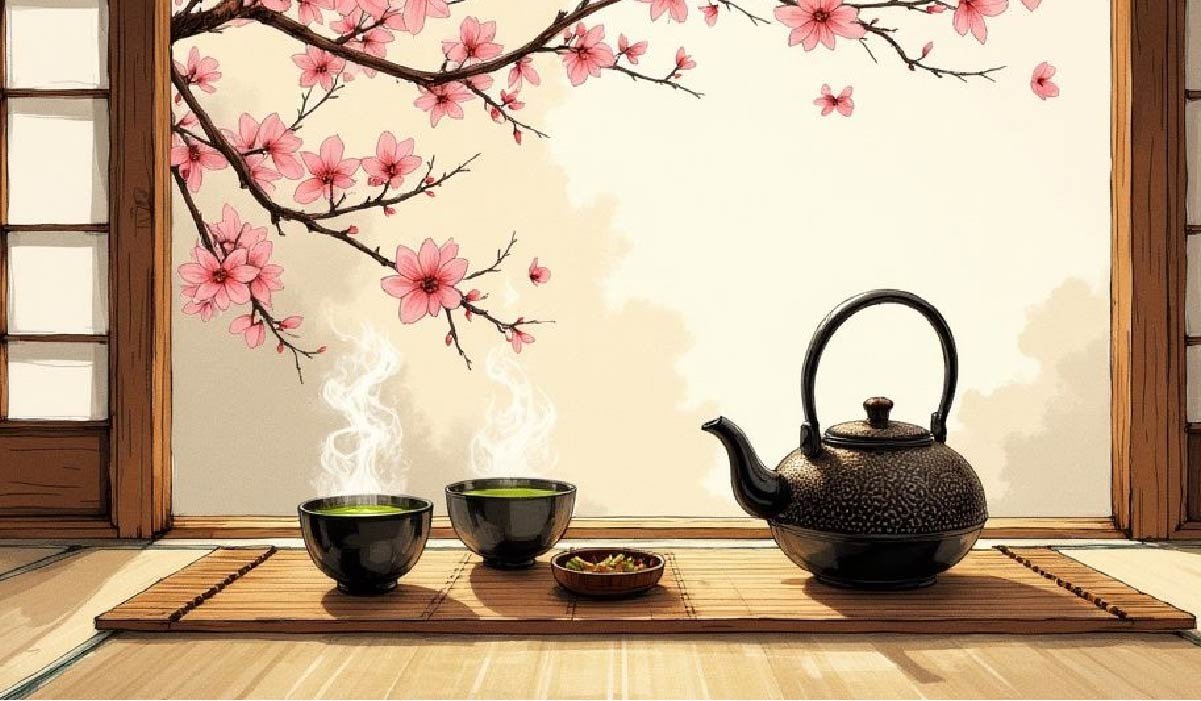
Tea is more than a drink in Japan; it embodies the essence of Japanese hospitality and harmony. The traditional tea ceremony, known as “chanoyu,” showcases the spiritual and philosophical aspects of tea preparation and consumption.
Masashi Tea, with its deep green hue and subtle umami flavour, is frequently used in these ceremonies, symbolising purity and mindfulness. It plays a crucial role in forming bonds between hosts and guests, a true testament to the role of tea in fostering community.
Development and Cultivation
Japan’s diverse climate and geography have contributed to the diverse varieties of tea cultivated across the country. The careful cultivation of Japanese Green Tea underscores the dedication to preserving traditional methods while embracing innovation.
Farmers have honed their techniques over generations, applying meticulous attention to soil conditions, climate variations, and the timing of harvests. The result is a product that reflects the authenticity and quality of Japanese tea-making traditions.
Cultural Significance of Masashi Tea
Masashi Tea’s influence extends beyond the confines of a teacup, weaving into the fabric of Japanese arts, literature, and even modern culture. Schools across Japan incorporate tea education as a vital part of cultural studies, emphasising its historical significance.
In literature and art, tea has been celebrated as a muse, inspiring a plethora of works that reflect its comforting and contemplative essence. The process of making and enjoying Masashi Tea serves as a meditative practice, promoting mindfulness and introspection.
The Global Influence of Japanese Tea
Though grounded in deep tradition, Japanese tea, including varieties like Masashi Tea, has made significant inroads globally. Cultural exchange and trade routes have introduced this staple to international markets, where it enjoys a reputation for quality and health benefits.
Through platforms like IKKYU Tea, these exquisite teas reach a broader audience, bringing the essence of Japanese culture to the world stage. Consumers worldwide now have the opportunity to engage with this ancient tradition in their own homes.
Health Benefits of Japanese Teas
Masashi Tea, like many other Japanese teas, is celebrated for its health benefits. Rich in antioxidants, it is said to support metabolism, improve mental clarity, and promote relaxation.
The combination of traditional cultivation methods and modern scientific understanding has enabled tea producers to highlight these benefits, enhancing the tea’s appeal to health-conscious consumers.
Conclusion
Masashi Tea is more than just a beverage; it is a vital component of Japan’s cultural and historical identity. By exploring its storied past and its role in contemporary society, one gains insight into the essence of Japanese customs and traditions.
For anyone seeking to understand Japanese culture or simply to enjoy a high-quality tea experience, Masashi Tea provides an authentic connection to the heart of Japanese life. Platforms like IKKYU Tea serve as valuable resources, offering the finest selections and educational insights into this treasured aspect of Japan’s cultural heritage.