
Understanding What a Dental Implant Is
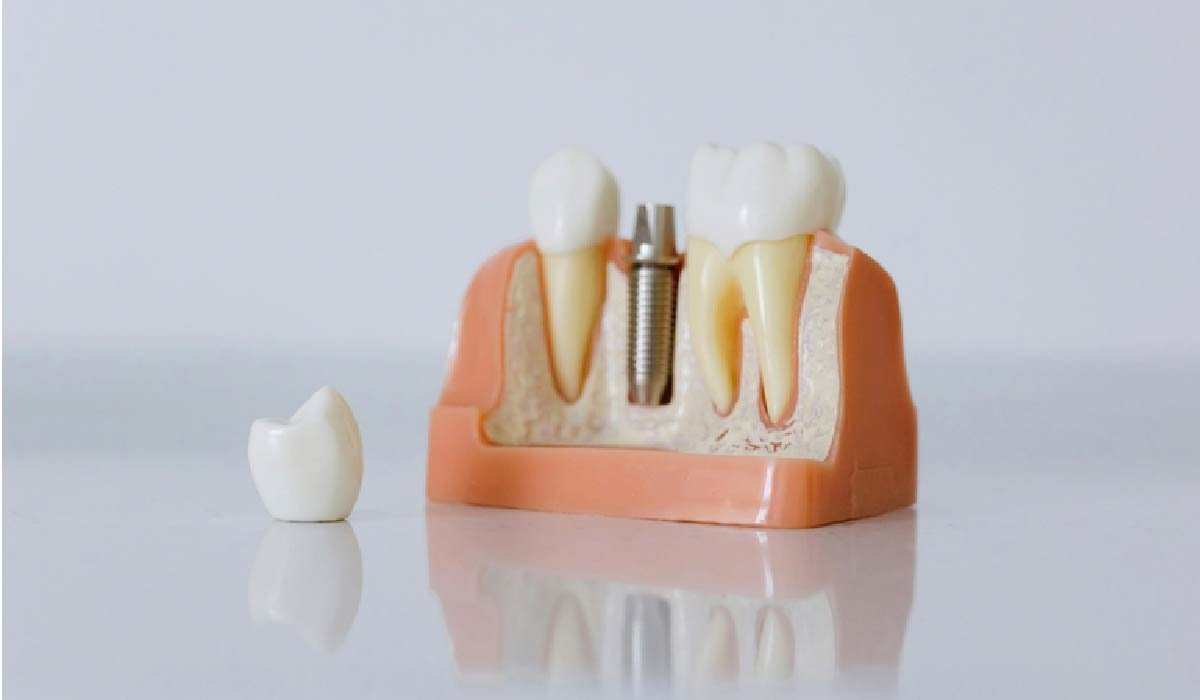
A dental implant is a long-term replacement for a missing tooth. It acts as an artificial root that holds a crown securely in place, giving you the appearance and function of a natural tooth. Many people choose implants because they feel stable, look realistic and can last for decades with good care. Before you decide whether an implant is right for you, it helps to understand what the process involves, how it feels, and what to expect during healing and afterwards.
What the Dental Implant Process Involves
The full process usually takes place over several months, but the steps are simple and carefully planned. Your dentist will begin with a full assessment, which at https://www.revodent.co.uk/ includes a check of your mouth, gums and bone structure to make sure the implant has the support it needs. X-rays or scans help your dentist see what is happening under the surface and guide the exact placement of the implant. If the bone is not strong enough, a bone graft may be suggested before the implant is placed.
Once the planning stage is complete, the implant appointment is arranged. During this visit, the dentist inserts a small titanium post into the jawbone. Although this sounds intense, the area is fully numbed with local anaesthetic, so you should not feel pain. Most people say it feels like pressure rather than anything sharp. The appointment is usually shorter than expected, and many patients are surprised by how straightforward it feels.
What the Procedure Feels Like
Most people are nervous before the procedure, which is completely normal. However, the experience is generally calm and controlled. As the anaesthetic takes effect, your mouth becomes numb, similar to what you would feel when having a filling. You may be aware of movement or vibration while the dentist places the implant, but discomfort is very limited. The aim is always to keep you relaxed and reassured throughout.
After the anaesthetic wears off, mild soreness is common, especially around the implant site. This usually feels like a bruised or tender area rather than strong pain. Over-the-counter pain relief is normally enough to manage this, and the tenderness often fades within a couple of days.
The First Stage of Healing
Healing begins immediately after the implant is placed. During the first 24 hours, your dentist will ask you to follow simple aftercare steps to keep the site clean and protected. This may include using a warm saltwater rinse, avoiding hot drinks and chewing on the opposite side of your mouth. Slight swelling is normal and tends to peak after the first day or two. As the tissues settle down, the swelling reduces and comfort improves.
One of the most important stages of the healing process is osseointegration. This is when the bone grows around the implant and secures it firmly in place. It happens naturally over several weeks or months. You will not feel this process taking place, but regular check-ups help your dentist make sure everything is progressing as planned. During this time, you can usually eat and speak normally, as long as you avoid very hard or sticky foods that put pressure on the area.
How Long Full Healing Takes
Most healing happens within the first week, but the deeper healing takes longer. On average, osseointegration can take between eight and twelve weeks. In some cases, it may take a little longer, depending on bone health and personal healing speed. Once the implant has anchored securely, the next stage is attaching the abutment. This small connector will eventually hold the final crown in place. The gum may feel tender for a short period after this step, but it settles quickly.
After the abutment step, your dentist takes impressions or digital scans to create your final crown. This crown is designed to match your natural teeth in shape and colour, so the final result blends seamlessly into your smile.
The Final Result and What It Feels Like
Once your crown is fitted, the implant feels very similar to a natural tooth. It does not move, it does not click and it does not shift when you chew. Many people say they forget which tooth is the implant after a short time because it feels so natural. The implant also stimulates the jawbone like a real tooth root, helping to keep the bone strong and preventing the sunken look that sometimes happens after tooth loss.
The final result is not only cosmetic. Being able to chew properly again makes daily eating much easier. You can bite into foods confidently and enjoy a varied diet without worrying about movement or discomfort. Speech also feels natural, as the implant fills the gap without slipping or causing changes in pronunciation.
Some Tips for Looking After Your Implant
Once your implant is in place, good oral hygiene keeps it healthy. Brushing twice a day, cleaning around the implant carefully and attending regular check-ups are key. Your dentist may suggest small interdental brushes to help keep the area clean. Avoiding smoking also supports healthy healing and long-term success, as smoking can slow down recovery and affect gum health.
Even though implants are strong, habits like biting nails or chewing ice can still cause damage, so it is best to avoid these. With normal care, an implant can last for many years and often decades.
Are Dental Implants Right for You?
Dental implants are suitable for many adults who have lost a tooth because of injury, decay or gum disease. They can replace a single tooth, several teeth or even support a full set of dentures. A consultation with your dentist will help you understand whether implants are the best option for your mouth, health and lifestyle.
Final Thoughts
The dental implant process may sound complex, but each stage is carefully managed to make it as comfortable as possible. The procedure itself is usually much easier than expected, healing is steady, and the long-term results are reliable and natural-looking. Most importantly, implants help restore confidence in your smile and make everyday tasks like eating and speaking feel normal again. When you understand what each step involves and how it feels, the process becomes far less daunting, and the end result is well worth the journey.