A dental abscess is one of the most painful and concerning dental conditions someone can experience. While a toothache can sometimes be mild or manageable, an abscess often causes persistent, throbbing pain that can escalate quickly if untreated. In many cases, it is not simply a discomfort – it can be a dental emergency requiring urgent professional attention.
Understanding what a dental abscess is, why it occurs, and when to seek emergency treatment is essential for protecting both oral and overall health. Left untreated, an abscess can lead to serious complications, including the spread of infection to surrounding tissues, the jawbone, and, in rare circumstances, other areas of the body.
This blog explores the causes, symptoms, treatment options, and when a dental abscess requires an emergency dentist.
What Is a Dental Abscess?
A dental abscess is a pocket of pus caused by a bacterial infection. It forms when bacteria enter the tooth or gum, often due to decay, trauma, or gum disease. The immune system responds by sending white blood cells to the area, creating pus and swelling.
There are three main types of dental abscess:
1. Periapical Abscess
Forms at the tip of the tooth root and is usually caused by untreated tooth decay or trauma, exposing the pulp inside the tooth.
2. Periodontal Abscess
Forms in the gum tissue, often in connection with gum disease or food debris trapped between the tooth and gum.
3. Gingival Abscess
Occurs on the surface of the gum and may be caused by irritation, injury, or a trapped foreign object such as a popcorn husk or seed.
Although symptoms and severity may vary, all types of dental abscesses require professional treatment and should not be ignored.
What Causes a Dental Abscess?
A dental abscess usually results from:
- Severe tooth decay
- Cracked or broken teeth
- Advanced gum disease
- Failed dental work
- Poor oral hygiene
- Previous untreated infection
Risk factors may include:
- High sugar diet
- Smoking
- Dry mouth
- Medical conditions such as diabetes
The underlying cause is typically bacterial infection, meaning treatment focuses not only on relieving pain but also eliminating bacteria and preventing further damage.
Common Symptoms of a Dental Abscess
The symptoms of a dental abscess may appear suddenly or gradually worsen. Common signs include:
- Intense, persistent, or throbbing tooth pain
- Pain radiating to the jaw, ear, or neck
- Swelling in the gums, jaw, or face
- Redness and tenderness around the affected area
- Difficulty chewing or biting
- Bad breath or unpleasant taste due to leaking pus
- Increased sensitivity to hot or cold
- Fever or general feeling of being unwell
Some people notice relief if the abscess bursts, but this does not mean the infection has cleared. Professional treatment is still necessary.
When Does a Dental Abscess Require Emergency Treatment?
Not every dental problem requires immediate care, but a dental abscess often does. You should seek emergency treatment if you experience:
Severe and Persistent Pain
If pain does not subside with over-the-counter pain relief, it is likely an active infection.
Facial Swelling
Swelling may indicate the infection is spreading beyond the tooth or gum.
Difficulty Breathing or Swallowing
This is a medical emergency and requires urgent treatment.
High Temperature or Fever
A fever suggests the body is fighting an infection.
Spreading Infection
Red streaks in the mouth or swelling spreading toward the neck or eye area require urgent assessment.
A Burst Abscess
Even if pain decreases, the infection remains and must be treated to prevent recurrence or complications.
Ignoring symptoms may cause the infection to worsen, increasing the risk of hospitalisation or tooth loss.
How Is a Dental Abscess Diagnosed?
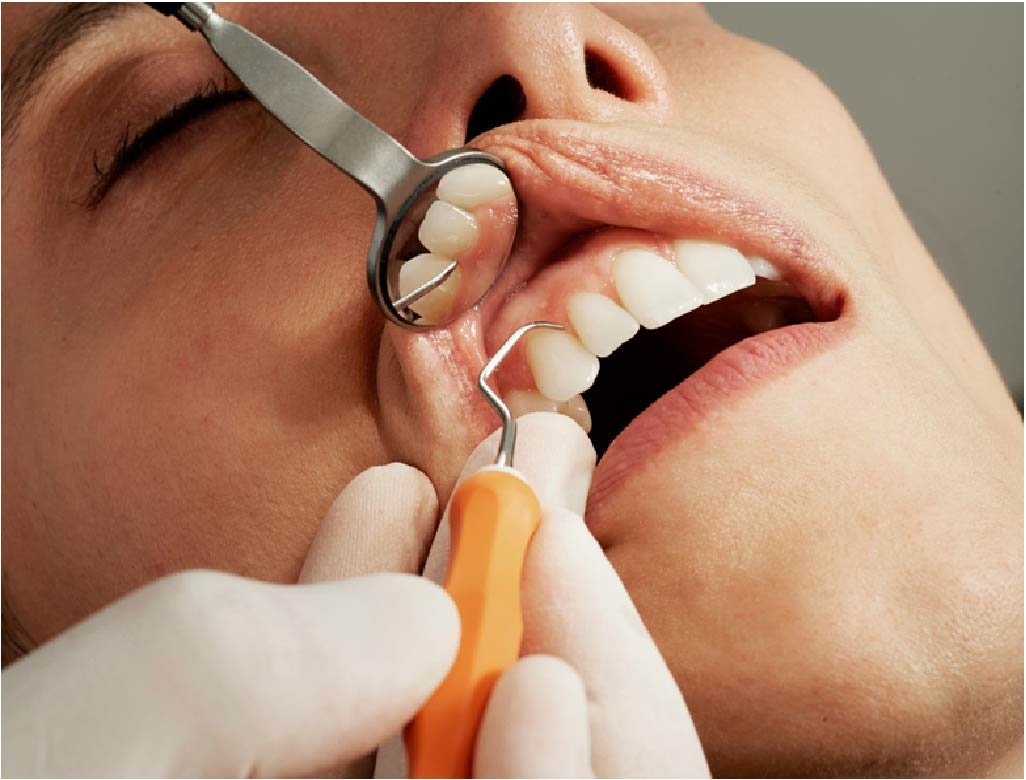
A dentist will usually:
- Examine the affected area
- Ask about symptoms
- Take X-rays to determine the extent of infection
In some cases, advanced imaging may be used to assess bone involvement or confirm the spread of infection.
Treatment Options for a Dental Abscess
A dental abscess cannot resolve on its own. Treatment focuses on eliminating infection, relieving pain, and preserving the tooth whenever possible.
1. Drainage of the Abscess
A small incision may be made to release pus and relieve pressure. This offers immediate symptom relief.
2. Root Canal Treatment
If the infection originates inside the tooth, root canal therapy removes infected tissue and seals the tooth to prevent reinfection.
3. Extraction
If the tooth is too damaged to save, removal may be necessary to stop the spread of infection.
4. Antibiotics
These may be prescribed if the infection has spread or if the patient has a fever or swelling. Antibiotics alone do not cure an abscess – they support treatment by controlling infection.
Pain Relief and Self-Care Before Dental Treatment
While waiting for emergency dental care, these steps may help manage discomfort:
- Take appropriate pain relief such as paracetamol or ibuprofen (unless contraindicated).
- Avoid extremely hot or cold food and drinks.
- Use a soft-bristled toothbrush.
- Rinse with warm saltwater to help reduce bacteria and inflammation.
- Avoid pressing or poking the area.
It is important not to attempt draining the abscess yourself, as this can worsen the infection and cause complications.
Can a Dental Abscess Be Prevented?
Good oral care and regular dental check-ups play a key role in preventing dental abscesses. Preventative measures include:
- Brushing twice a day with fluoride toothpaste
- Flossing or using interdental brushes daily
- Reducing sugary food and drink
- Avoiding smoking
- Seeing a dentist regularly for examinations and cleaning
- Seeking early treatment for tooth sensitivity or gum bleeding
Prompt attention to early dental problems can prevent infections from forming.
What Happens If a Dental Abscess Is Left Untreated?
Ignoring a dental abscess can lead to serious health risks. These may include:
- Spread of infection to other teeth
- Bone infection (osteomyelitis)
- Sinus infection if in the upper jaw
- Facial or neck cellulitis
- Sepsis (a rare but life-threatening complication)
Timely treatment prevents escalation and protects both oral and general health.
Final Thoughts
A dental abscess is more than just a painful inconvenience – it is a sign of infection requiring prompt professional care. While home remedies and pain relief may temporarily ease discomfort, they cannot treat the underlying cause. Whether caused by decay, gum disease, trauma, or infection inside a tooth, addressing the problem early reduces complications and improves long-term outcomes.
Recognising symptoms and seeking timely treatment can prevent tooth loss, eliminate infection, and restore comfort. Dental professionals are experienced in managing emergencies, and there is no need to delay if symptoms worsen or become severe.
If you experience severe tooth pain, swelling, fever, or difficulty swallowing, it may be time to seek urgent dental attention.