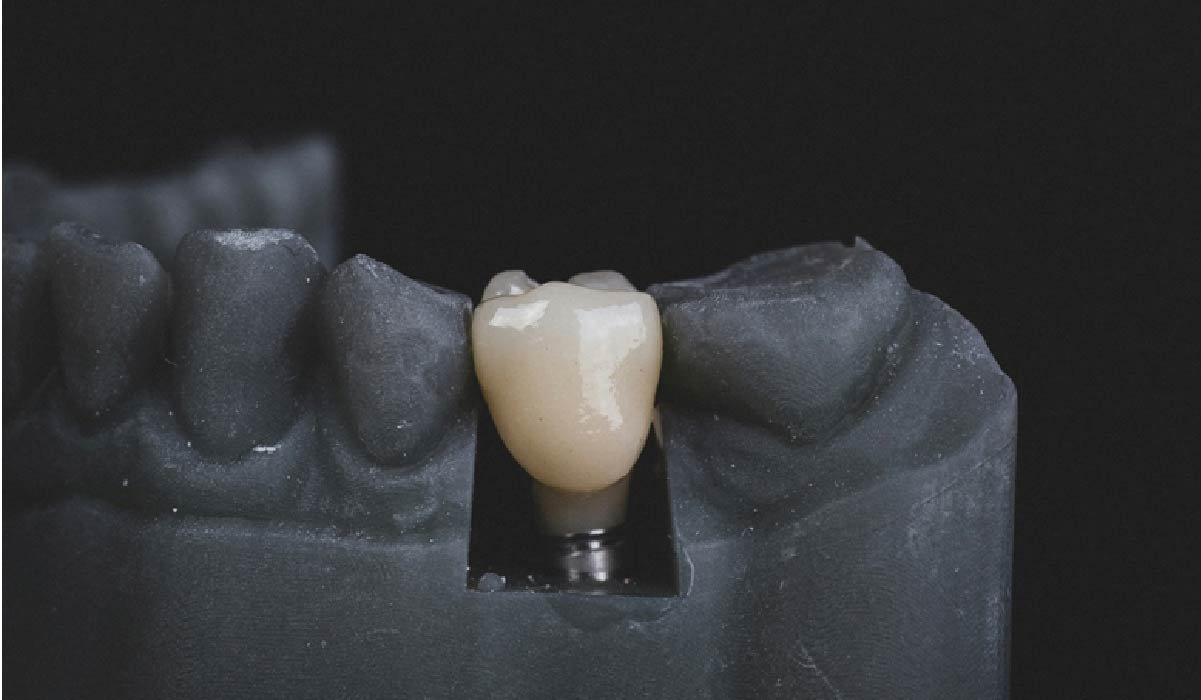
Dental implants have become one of the most reliable, natural-looking and long-lasting solutions for replacing missing teeth. Designed to function like a real tooth root, an implant provides a secure foundation for crowns, bridges or dentures, restoring both aesthetics and oral function. One of the most common questions people ask before committing to treatment is: “How long does implant healing take?”
The answer depends on several factors, including bone health, implant placement technique, the location of the implant and the individual’s general health. While some patients heal within a few months, others may need more time, particularly if additional procedures such as bone grafting are required.
This guide explores the stages of dental implant healing, what affects the timeline, what to expect during recovery and how to support the best possible healing outcome – visit https://green-dental.co.uk/dental-implants-leicester/ to learn more.
Understanding the Implant Healing Process
Healing after dental implant treatment isn’t just about the surface gum tissue closing over the area—it involves a biological process called osseointegration. Osseointegration is the point at which the implant fuses with the surrounding jawbone, creating a strong and stable foundation.
Unlike removable false teeth, dental implants become part of the jaw structure, allowing them to function like natural tooth roots. This process takes time and cannot be rushed if long-term success is the goal.
Typical Healing Timeline
While every patient’s journey is unique, implant healing usually follows a general timeline:
| Stage | Time Frame | What Happens |
| Initial healing after placement | 1–2 weeks | Gum tissue heals, swelling reduces Early bone integration |
| Early bone integration | 6–12 weeks | Implant begins bonding with bone |
| Full osseointegration | 3–6 months | Implant stabilises and matures |
| Final restoration fitting | After healing | Crown, denture or bridge is attached |
Some cases can be completed faster using immediate-load implants, while others—especially those requiring bone grafting—may take closer to nine months or longer.
Healing Phase 1: The First Two Weeks After Placement
Immediately after implant placement, the first stage of healing focuses on the gum tissue and the surgical site. It’s normal to experience:
- Mild discomfort
- Bruising
- Swelling
- Slight bleeding within the first 24–48 hours
Most symptoms settle significantly within a few days, and many people return to work the next day.
During this period, it’s essential to follow aftercare instructions, particularly regarding:
- Avoiding hard or chewy foods
- Keeping the site clean without brushing it directly
- Avoiding smoking
- Limiting alcohol intake
- Taking prescribed medication if needed
By the end of the second week, the gums typically look and feel healed, although the deeper osseointegration process is only just beginning.
Healing Phase 2: Osseointegration (6–12 Weeks)
Once the gum tissue heals, the implant and jawbone begin to integrate. This is the most important stage, as long-lasting implant success depends on secure bonding between the bone and the titanium implant.
During osseointegration:
- Bone cells attach to the implant surface
- The implant gradually becomes stable
- The bone surrounding the implant becomes denser
In some cases, temporary healing caps or provisional restorations may be placed during this time, but they are not meant to bear heavy biting pressure.
On average, early stages of osseointegration take 6–12 weeks, but healing may continue for several months.
Healing Phase 3: Final Integration and Restoration (3–6 Months)
Once your dentist confirms the implant is successfully fused with the bone—usually using X-rays or stability testing—the final stage begins. This involves:
- Attaching an abutment
- Taking impressions for the final restoration
- Creating your custom-made crown, bridge or denture
After this final stage, the implant functions just like a natural tooth—allowing comfortable chewing, speaking and smiling.
Factors That Influence Healing Time
Not everyone heals at the same pace. Several factors can affect how quickly and successfully a dental implant integrates.
1. Bone Density and Quality
Patients with strong, healthy bone typically heal faster. Where bone density is low—often due to previous tooth loss, gum disease, ageing or denture wear—bone grafting may be needed before implant placement. A graft can extend healing time by several months.
2. Location of the Implant
Implants in the lower jaw usually heal faster because the bone is denser. Upper jaw implants—especially in the premolar and molar areas—may require longer healing.
3. Oral Hygiene
Meticulous cleaning around the implant area helps prevent infection and supports healing.
4. Lifestyle Factors
Smoking, heavy alcohol consumption and poor diet can significantly delay healing and increase the risk of implant failure. Some patients are asked to stop smoking weeks before and after treatment.
5. Health Conditions and Medications
Healing may take longer if you have:
- Diabetes
- Autoimmune conditions
- Osteoporosis
- A history of periodontal disease
Medications such as bisphosphonates may also influence healing.
6. Type of Implant Protocol Used
Some methods offer shorter treatment timelines, such as:
- Immediate implants (placed the same day a tooth is removed)
- Same-day teeth or immediate-load implants
These accelerated techniques aren’t suitable for everyone and depend heavily on bone stability and overall treatment planning.
Signs of Normal Healing vs. Potential Problems
Normal Healing Symptoms May Include:
- Mild discomfort for several days
- Slight gum tenderness
- Temporary swelling
- Light bruising
These symptoms should gradually improve.
Symptoms That Require Dental Attention:
- Persistent or increasing pain
- Swelling that worsens after 72 hours
- Pus or signs of infection
- A loose implant
- Persistent bleeding
- Difficulty chewing or pressure pain
Early intervention helps protect implant stability and prevents complications.
Tips to Support Implant Healing
Successful healing depends on both professional care and patient responsibility. To promote optimal recovery:
- Follow dietary recommendations (soft foods initially)
- Maintain excellent oral hygiene
- Avoid smoking and alcohol
- Attend follow-up appointments
- Take prescribed medication as directed
- Avoid touching or disturbing the implant site
Good aftercare significantly improves long-term implant success.
How Long Until You Can Eat Normally?
While many people return to soft foods within a few days, chewing directly on the implant site should be avoided until advised. Once the implant is fully restored and integrated, most people can enjoy normal eating—often with better chewing ability than before treatment.
Long-Term Expectations: Implant Success and Maintenance
Once fully healed, dental implants can last 15–25 years or longer, provided they are cared for properly. Unlike natural teeth, implants cannot decay, but the surrounding gum tissue can still develop inflammation if neglected.
Daily care should include:
- Brushing twice a day
- Cleaning under and around the implant
- Attending regular hygiene and check-up appointments
With good maintenance, implants can provide lifelong support.
Final Thoughts
Healing time for dental implants varies, but most patients can expect a complete recovery and full implant integration within three to six months, depending on individual circumstances. While the process requires patience, the results deliver long-term function, comfort and confidence—making the healing timeline a worthwhile part of the journey.
Understanding recovery expectations helps patients plan treatment realistically and feel reassured every step of the way.